Free guide
Ancient Healing: 26 Traditional Methods You Can Learn at Home
Ancient healing methods are the traditional ways people cared for body, mind and spirit before modern medicine, and many are still practised daily: acupressure, gua sha and tai chi from China, Ayurvedic routines, pranayama and mudras from India, Buddhist meditation, Hawaiian ho'oponopono and Mexican curanderismo. Most can be learned at home, for free, alongside your normal medical care.
Most of these practices survived because ordinary families kept doing them, long before anyone sold a course. If you want that kind of care back in your own hands, pick the tradition below that pulls at you, or start from what you need.
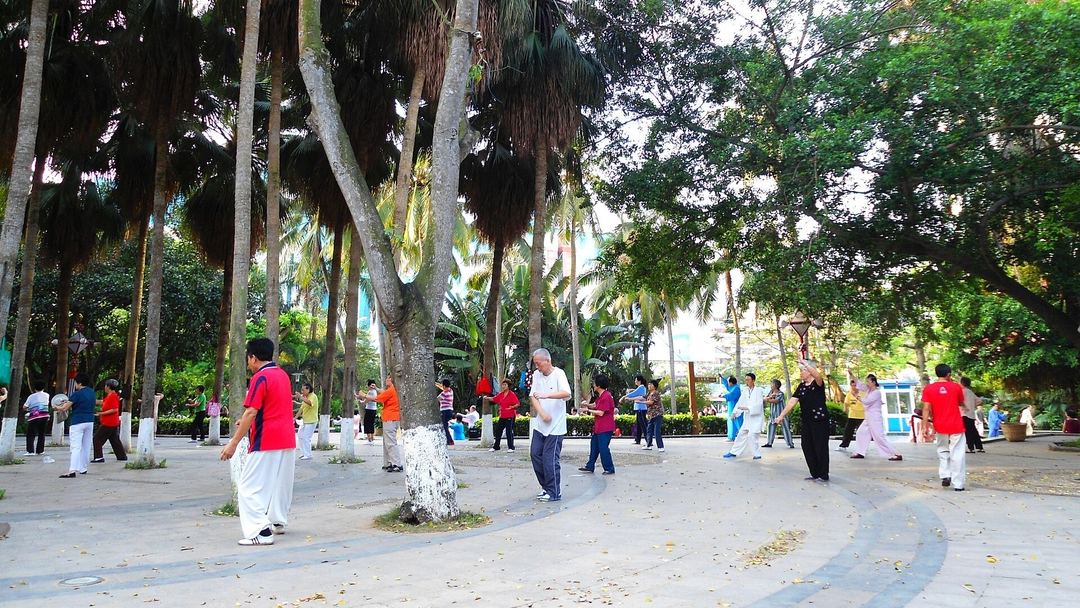
Where to start: pick by what you need
| If you want help with | Start with |
|---|---|
| Aches, stiffness and tension | Acupressure Points, Gua Sha, Tai Chi for Beginners |
| Stress and a racing mind | Pranayama, Forest Bathing, Abhyanga Self-Massage |
| Sleep | Acupressure Points, Mudras for Healing, Ba Duan Jin |
| Focus and a quieter head | Trataka Meditation, Mantra Meditation, Vipassana |
| Balance and staying steady as you age | Tai Chi for Beginners, Ba Duan Jin, Five Tibetan Rites |
| A fresh start to the morning | Tongue Scraping, Oil Pulling for Teeth, Vata, Pitta and Kapha |
| Blocked sinuses | Neti Pot, Acupressure Points |
| Grudges, guilt and hard relationships | Ho'oponopono, Metta Meditation |
| A fright or unease that will not lift | Curanderismo, Ho'oponopono |
Chinese medicine you can do at home
Pressure points, scraping, cups and warmth along the channels that Chinese medicine maps through the body. Start with the overview, then pick the hands-on method that suits you.
- Traditional Chinese MedicineQi, tongue reading, herbs and needles, plus which remedies to avoid.
- Acupressure PointsWhere to press for headaches, nausea, sleep and a tight neck.
- Gua ShaAngle, oil and strokes for face and body, and how to test a stone.
- Cupping TherapySilicone cups at home, what the marks mean and who should skip it.
- MoxibustionUsing a moxa stick safely, smoke-free options and breech moxa.
- Ear SeedsWhere to place them, how long to wear them and what they help.
- Foot Reflexology ChartRead the foot map, then a ten-minute routine for your own feet.
Slow movement for balance and calm
Gentle, repeatable sequences that people of any age keep up for decades. They need no equipment and very little space.
- Tai Chi for BeginnersPick a style, learn the first moves and keep your knees safe.
- Ba Duan JinAll eight movements, seated or standing, in about twelve minutes.
- Five Tibetan RitesEach of the five moves, building from 3 to 21 reps safely.
- Qigong for BeginnersSlow movement and steady breath you can learn in one sitting
- Zhan ZhuangStand still for ten minutes a day and feel what your body is holding
Ayurveda: the daily rituals
India's traditional medicine is mostly a daily routine: how you wake, clean, oil and feed your body. These are the parts people adopt first.
- Ayurveda for BeginnersThe doshas, a simple daily routine and the remedies to avoid.
- Vata, Pitta and KaphaA self-test for vata, pitta and kapha, and how to rebalance.
- Tongue ScrapingCopper or steel, how many strokes, and before or after brushing.
- Oil Pulling for TeethHow long to swish, which oil, and what dentists really think.
- Abhyanga Self-MassageWarm oil, the order of strokes and which oil suits you.
- Neti PotSafe water, the right salt mix and the head tilt that works.
- Panchakarma CleanseWhat a real programme involves, the risks and how to vet a clinic.
Breath, focus and the mind
Old practices for a busy head: breathing patterns, hand positions, a candle flame, a repeated word, or simply watching what is there.
- PranayamaSix yogic breaths with counts, from alternate nostril to humming.
- Mudras for HealingTen hand positions, how to hold them and when people use each.
- Trataka MeditationCandle gazing step by step, with a four-week plan and eye care.
- Mantra MeditationChoose a mantra, use mala beads and build a daily japa habit.
- VipassanaStart at home, then what a silent ten-day course is really like.
- Metta MeditationThe loving-kindness phrases, the classic order and two scripts.
Healing the heart and spirit
For grudges you cannot put down, a fright that never left, or the plain need to feel well again. These traditions treat the person, not only the symptom.
- Ho'oponoponoThe four phrases, how to use them and the real Hawaiian roots.
- CuranderismoCuranderas, limpias and susto, and how to find a real healer.
- Forest BathingA slow, sense-led walk you can do in any wood or city park.
- Sound HealingWhat happens in a sound healing session and how it may feel
- What Is Reiki Healing?Curious about Reiki? What happens in a session and where it came from
Healing scams that turn up in every tradition
Each guide names the scams specific to its method. These five patterns repeat across all of them.
- Metals in remedies you swallow. A study in JAMA (Saper and colleagues, 2008) found lead, mercury or arsenic in about one in five Ayurvedic products bought online. The CDC has traced lead poisoning to Mexican folk remedies such as azarcon and greta, and the FDA has warned about Chinese herbal products containing aristolochic acid. See Ayurveda for Beginners, Traditional Chinese Medicine and Curanderismo.
- Fake materials at real prices. "Jade" gua sha tools that are dyed glass or resin, "copper" tongue scrapers that are plated steel, and mala beads sold as rudraksha that are not. The Gua Sha guide shows how to test a stone.
- Diagnosis from your foot, ear or tongue. Reflexology charts, ear maps and tongue maps are used to guide a practice. Anyone who tells you that you have a disease from them, then sells you the cure, is overstepping. See Foot Reflexology Chart.
- Paying for what is given free. The S.N. Goenka Vipassana courses run on donations, and the basic metta phrases are free to anyone. A paid "10-day Vipassana" at a resort is something else. See Vipassana.
- Fear, then a fee. If a healer says you are cursed or carrying a dark attachment and the cure costs more each visit, read how curse removal scams work first.
Use them safely
- Keep taking any medicine you are prescribed, and tell your doctor what you are trying, especially herbs and supplements.
- If you are pregnant, take blood thinners, or have a heart, blood pressure or seizure condition, check with your doctor before cupping, gua sha, moxibustion, strong breathing practices or the Five Tibetan Rites.
- Use only distilled, sterile or boiled-then-cooled water in a neti pot. Never tap water straight from the tap.
- Pain, numbness, a fever or symptoms that keep getting worse need a doctor, whatever tradition you follow.
Questions about ancient healing
- What are ancient healing methods?
- They are the ways people looked after body and mind before modern medicine, kept alive in living traditions: Chinese medicine (acupressure, gua sha, cupping, moxibustion, tai chi), Ayurveda and yoga (doshas, oil massage, pranayama, mudras), Buddhist meditation (Vipassana, metta), Hawaiian ho'oponopono and Mexican curanderismo. Many can be learned and practised at home.
- Which ancient healing practice is best for beginners?
- Pick by what you need. For stress, start with a slow breathing practice such as alternate nostril breathing. For aches, learn a few acupressure points. For balance and gentle exercise, tai chi or the Eight Brocades. Each takes ten minutes a day and costs nothing to start.
- Do ancient healing methods actually work?
- Some have good evidence for specific uses: tai chi for balance and fall prevention, the P6 acupressure point for nausea, and saline rinsing for chronic sinus symptoms. Many others have little research beyond relaxation. Each guide here says plainly which is which, so you can choose with open eyes.
- Are traditional remedies safe?
- The hands-on practices are low risk for most people when done gently. Remedies you swallow are a different matter: some imported Ayurvedic, Chinese and folk remedies have been found to contain lead, mercury or arsenic. Check with your doctor first if you are pregnant, take blood thinners or other medication, or have a long-term condition.
- Can ancient healing replace my medicine?
- No. These practices sit alongside medical care, not in place of it. Keep taking what your doctor prescribed, and tell them what you are trying, especially herbs and supplements, which can interact with medication.
- How do I avoid being scammed by a healer?
- Watch for the patterns on this page: remedies with no third-party testing, "certifications" earned in a weekend, healers who diagnose disease from your foot, ear or tongue, paid versions of teachings that are given free, and anyone who says you are cursed and offers to lift it for a fee.
