Moxibustion: How to Use Moxa Safely, Including for a Breech Baby
By DailyDestiny Editorial Team
The short answer
Moxibustion means warming acupuncture points by burning dried mugwort, called moxa, on or near the skin, most often with a cigar-shaped stick held a few centimetres away. A 2023 Cochrane review of 13 trials found that moxa at the little-toe point BL67, added to usual care, probably reduces the chance that a baby is still breech at birth, though it did not lower caesarean rates. The main risks are burns and smoke, and in pregnancy it should only be used with your midwife's or doctor's knowledge.
Whether a midwife has just told you your baby is breech or a practitioner has handed you a stick of burning herb, here is how moxibustion works, how to use moxa without burns or smoke trouble, and what the research really shows.
On this page
What is moxibustion, and why burn mugwort?
Few people search for moxibustion without a reason, so perhaps you have a breech baby, a back that always feels cold, or a practitioner who mentioned burning mugwort.
At your check-up, the midwife presses your belly and says the baby is bottom down. A friend hands you a box of what look like thick grey-green cigars, and says her acupuncturist used them to help turn her son. You want to know if it is safe, if it works, and how on earth you are meant to hold it.
Moxibustion is as old as acupuncture in China. The Chinese word zhenjiu, usually translated as acupuncture, literally means "needle and moxa". The English word "moxa" comes from the Japanese mogusa, meaning mugwort, which a Dutch writer brought into European books in the 1670s.
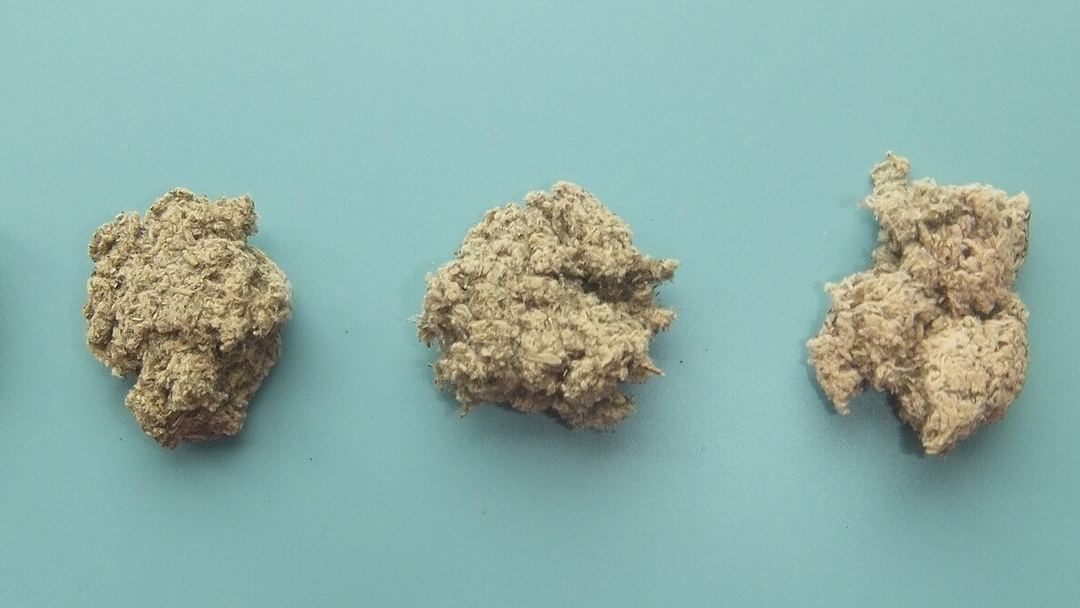
The plant is mugwort, a common Artemisia species. Chinese moxa usually comes from Artemisia argyi. The leaves are dried, often aged, then ground and sieved until they become a soft, fluffy wool that burns slowly and evenly.
In Chinese medicine, moxa is used to warm, to strengthen and to move qi and blood. It is chosen for "cold" and "deficient" patterns: tiredness, cold hands and feet, a cold, aching lower back, loose stools, period pain that eases with a hot water bottle. Practitioners avoid it for "heat" patterns such as fever or red, inflamed skin.
Why mugwort rather than any other herb? The tradition says mugwort heat penetrates deeply and gently. In practical terms, well-made moxa wool smoulders at a steady temperature without flaring, which makes it easier to control than paper or wood.
You may meet moxibustion as part of an acupuncture session, where the practitioner warms a needle or a point for a few minutes. Increasingly, people are also sent home with sticks to use themselves, which is where safety matters most.
Is moxibustion the same as acupuncture?
No. Both use the same points, but acupuncture uses needles and moxibustion uses heat from burning mugwort. Practitioners often combine them, and moxa sticks can also be used at home without needles.
Is mugwort safe to burn?
For most people, yes, with good ventilation. People with asthma or other lung problems may react to the smoke, and people allergic to mugwort pollen or other Artemisia plants may also react to the herb. Smokeless moxa reduces smoke but still burns.
Who needs a doctor's or midwife's go-ahead before using moxa?
Most healthy adults can use moxa sticks safely with care, but some people should check first, and a few should not use it at all.
Pregnancy. Only use moxa in pregnancy, including for a breech baby, with your midwife or doctor aware. They will check for reasons not to, such as bleeding, a low-lying placenta, twins, high blood pressure, or concerns about the baby's growth.
Asthma, COPD or other lung disease. Moxa smoke can trigger wheezing. Use smokeless moxa in a well-ventilated room, or choose another warming method.
Reduced feeling in the skin. Diabetes with nerve damage, spinal cord injury, or any area that has lost sensation means you cannot feel when heat becomes dangerous. Burns happen easily, so avoid moxa there or have a trained practitioner do it.
Fragile or damaged skin. Do not use moxa over broken skin, scars, varicose veins, sunburn or rashes, or on the face near the eyes.
Fever or acute infection. Rest and see a doctor instead.
Children and frail older people. Their skin burns more easily. Moxa for them belongs with a trained practitioner.
Allergy to mugwort or related plants. Some people with hay fever from mugwort pollen also react to moxa.
Also think about where you are. Moxa sticks are a fire risk. Do not use them in bed, near curtains or loose bedding, after drinking alcohol, or when you are drowsy. Keep pets and young children out of the room.
Smoke matters for the people you live with too. If someone at home has asthma or a baby is in the house, use smokeless moxa, open a window, and do sessions in a room they are not using.
Moxa is a warming therapy for comfort and traditional patterns of cold and weakness. It does not replace medical treatment. Never use it to delay seeing a doctor about pain, swelling, bleeding or any new symptom, and never stop prescribed treatment in its favour.
Can I use moxa if I have high blood pressure?
Ask your doctor first. Warming therapies are generally gentle, but in pregnancy high blood pressure is a reason not to use moxa for breech without specialist advice.
Is moxa safe for children?
Children's skin burns more easily and they may not tell you in time when it gets too hot. Only use moxa on a child with a trained practitioner's guidance, if at all.
What kinds of moxa can you buy?
There are six main forms. For home use, a moxa stick, smokeless stick, moxa box or stick-on cones are the practical choices. Direct and warm-needle moxa belong in a practitioner's hands.
Moxa sticks (rolls). Moxa wool rolled tightly in paper, like a thick cigar. You light one end and hold it near the skin. This is the most common home form.
Smokeless moxa. Moxa that has been carbonised into a hard black stick. It makes much less smoke and smell, takes longer to light, and burns hotter, so it needs more distance and care.
Moxa boxes. Small wooden or metal boxes with a mesh base. Burning moxa sits inside, and the box rests on the belly or lower back to warm a wide area. Use a cloth under the box and never leave it unattended.
Stick-on moxa cones. Small cones on a cardboard or foil base with an adhesive backing. You light the top, stick it on the point, and remove it when it gets too hot.
Direct moxa. Tiny cones of fine moxa placed straight on the skin and removed before they burn down, or, in older practice, allowed to burn and scar. In Japan, moxibustion has been a nationally licensed profession since a law passed in 1947.
Warm-needle moxa. A small ball of moxa placed on the handle of an inserted acupuncture needle, so heat runs down the needle. Only a licensed acupuncturist should do this.
Indirect moxa is another traditional form you may see in clinics. A cone of moxa sits on a slice of fresh ginger or garlic, or on a layer of salt in the navel, so the skin never touches the burning herb. These need practice and are best learned from a practitioner.
For a beginner at home, a single box of moxa sticks and a fire-safe dish is all you need. If smoke is a problem, choose smokeless sticks, accepting that they need more care with heat. Stick-on cones are convenient for one point at a time, but they can burn if left on a little too long, so stay with them.
Moxa wool also comes in different grades. Finer, more refined wool is golden and soft and burns more gently, while coarser wool is greener with more leaf fragments and burns hotter with more smoke. Coarser wool is normal for sticks and boxes. The finest grades are used for small cones on the skin.
Which moxa is best for a beginner?
A plain moxa stick, used with a fire-safe dish and an extinguisher. It is the easiest to control because you can move it closer or further away. Choose smokeless sticks if smoke bothers you or others.
What is a moxa box used for?
Warming a broad area such as the lower belly or lower back, for example for period cramps or a cold, aching back. It frees your hands, but it can still scorch the skin, so lay a folded cloth underneath and check often.
How do you use a moxa stick at home without burning yourself?
Light the end until it glows evenly, hold it about two to three centimetres from the skin, keep it moving, and pull back as soon as it feels hot. Treat each point for about five to fifteen minutes.
Step 1. Set up safely. Choose a room with a window you can open. Put a heatproof dish or ashtray within reach, plus a moxa extinguisher, a narrow glass jar or a small dish of sand. Tie back long hair and wear close-fitting sleeves. Sit somewhere stable, away from curtains.
Step 2. Light it. Hold the end of the stick in a candle flame or the flame of a lighter, turning it slowly, until the whole tip glows red. This can take a minute or two, longer for smokeless sticks. Gently blow on it if it is uneven.
Step 3. Find your point. A practitioner should show you which points to use. Common home points include ST36 below the knee and points on the lower back or belly chosen by your practitioner.
Step 4. Bring the glowing tip toward the skin until you feel a pleasant warmth, usually about two to three centimetres away.
Step 5. Use one of two classic movements. Sparrow pecking: move the stick slowly toward the skin and away again, like a bird pecking. Circling: move it in small circles over the point. Both stop heat building up in one spot.
Step 6. When the spot feels hot, pull back. Aim for skin that is pink and warm, never white, blistered or stinging.
Step 7. Tap off the ash into your dish every minute or so. Falling ash is a common cause of small burns.
Step 8. When you finish, push the lit end firmly into the extinguisher, jar or sand and leave it there until the stick is cold.
If you are doing moxa on someone else, rest the index and middle fingers of your free hand on the skin either side of the point. You feel the heat through your own fingers and can judge when it is getting too hot, which is how practitioners protect patients who cannot feel well.
For stick-on cones, peel off the backing, light the tip, and press the cone onto the point. You should feel gentle warmth after a minute or two. As soon as it feels hot rather than warm, lift it off with tweezers and put it in a heatproof dish. Do not wait for it to burn out on your skin.
Store moxa sticks in a dry, airtight tin, away from anything flammable. Damp moxa lights badly and smokes more. Once a stick has been put out, check it is cold before you put it away, because moxa can keep smouldering inside for a while.
What if you feel nothing? Move slightly closer, a few millimetres at a time, but never touch the skin. If you still feel little warmth, check the tip is fully glowing. If you feel too much, step back and slow the movement.
How close should a moxa stick be to the skin?
Usually about two to three centimetres, but go by feeling rather than a ruler. You want comfortable warmth. Smokeless sticks burn hotter, so start further away and move closer slowly.
How many points can I treat in one session?
Two to four points is plenty at home. Each point needs five to fifteen minutes, and long sessions with a burning stick mean more smoke and more chance of a slip.
Can moxibustion really turn a breech baby?
It may help a little. In 2023, a Cochrane review by Coyle, Smith and Peat looked at 13 trials with 2,181 women. Moxibustion at the little-toe point BL67, added to usual care, probably reduced the number of babies still in a non-head-down position at birth, with moderate-certainty evidence. It probably made little or no difference to caesarean rates, and its effect on the need for an external cephalic version, where a doctor turns the baby by hand, was uncertain.
The best-known single trial was published in JAMA in 1998 by Cardini and Weixin. It enrolled 260 first-time mothers in China whose babies were breech at 33 weeks. At 35 weeks, 75.4 percent of babies in the moxa group were head down, compared with 47.7 percent in the group that had routine care. The trial was randomised but not blinded.
Several NHS hospitals in England publish moxibustion guidance for breech babies, with use typically suggested from about 33 to 35 weeks, under the guidance of a trained practitioner or midwife.
How it is done. BL67, called Zhiyin ("reaching yin"), sits on the outer corner of the little toenail, about two millimetres from the corner of the nail. Sit comfortably with loose clothes, an empty bladder and your feet up on a stool. A partner usually holds one lit moxa stick near each little toe at the same time, at a comfortable warm distance. NHS patient information from Chelsea and Westminster Hospital describes sessions of 15 to 20 minutes a day for up to 10 days, and notes there is no agreed best schedule.
What you may feel. In the 1998 trial, babies in the moxa group moved more during the week of treatment. The Cochrane reviewers list increased baby movements, tightenings or contractions, nausea, headache and burns from holding the stick too close as reported effects, though most trials reported side effects poorly.
When to stop and call your maternity unit. Stop and call if you have bleeding, your waters break, you feel regular or painful contractions, you notice reduced baby movements, or you feel unwell.
Checking whether it worked. Do not assume the baby has turned because the movements felt different. Your midwife or doctor will check the position, usually with a scan, and will still offer an external cephalic version if the baby is breech, which is usually offered from about 36 or 37 weeks.
Can moxibustion turn the baby back to breech?
There is no good evidence that it does. Some babies turn and turn back on their own, which is one reason your midwife will check the position again before birth.
Should I see an acupuncturist for breech moxa?
It helps to have a first session with a licensed acupuncturist or a midwife trained in moxibustion, who can show you and your partner the point, the distance and the timing. Then you can do the remaining days at home.
Is moxa smoke harmful, and is smokeless moxa any safer?
Moxa smoke is a mix of fine particles and gases, so it is worth limiting how much you breathe. Smokeless moxa makes far less visible smoke, but it still burns, which means it still gives off gases such as carbon monoxide. Good ventilation matters with both.
In 2016, Lu and colleagues measured the air in a hospital acupuncture and moxibustion room in Taiwan, reporting in the International Journal of Environmental Research and Public Health. Burning moxa released carbon monoxide, carbon dioxide, formaldehyde, other volatile organic compounds and fine particles. Aged moxa wool gave off fewer gases than fresh moxa. A local extractor close to the source cut most of the particles, while a standard air purifier did little, especially for gases.
What that means at home: First, open a window, and if possible use an extractor fan or a fan blowing out of the window. Second, keep sessions short and the room uncrowded. Third, choose smokeless moxa if anyone at home has asthma, and still ventilate. Fourth, never use any moxa in a small closed room such as a bathroom with the door shut. Fifth, if you use moxa often indoors, a carbon monoxide alarm is a sensible small purchase.
Smokeless moxa has a trade-off. It burns hotter and more slowly, so it can hold heat in one spot and cause burns if you are not careful. Keep it moving and further from the skin than an ordinary stick.
If you rent or live in a flat, the smell of ordinary moxa can carry into hallways and set off smoke alarms. Smokeless sticks, short sessions and an open window usually solve both.
People who should be most careful with smoke include anyone with asthma or COPD, pregnant women, babies and young children, and pet birds, which are very sensitive to airborne fumes.
If you feel a headache, dizziness, nausea or tightness in the chest during a session, stop, put the moxa out, open windows and get fresh air. If symptoms do not settle quickly, seek medical help, and mention that you were burning moxa indoors.
Does moxa set off smoke alarms?
Ordinary moxa sticks often do, especially in small rooms. Smokeless sticks are less likely to. Never disable a smoke alarm to use moxa. Move to a room with better airflow instead.
Is aged moxa better?
Practitioners prefer aged moxa because it burns more gently, and the Taiwan study found aged moxa released fewer gases than fresh moxa. Ask your supplier how long the wool was aged.
What does research say about moxibustion beyond breech babies?
For most other uses, the research is thin. There are many small trials, mostly from China, and reviewers often rate the evidence as low quality. Knee osteoarthritis is a good example: reviews pooling dozens of trials suggest moxa may ease pain, but an overview of those reviews in 2022 judged most of them to be of low or very low quality.
The safety research is clearer. In 2010, Park and colleagues reviewed reports of harm from moxibustion in Complementary Therapies in Medicine. The most common problems were allergic reactions, burns and infections. Trials also reported redness, blistering, itching, discomfort from smoke, tiredness, headaches and flare-ups of symptoms. The authors concluded that moxibustion is not entirely risk-free and that how often harm happens is not known.
In 2014, Xu and colleagues reviewed 64 published case reports of harm from moxibustion from six countries. Burns were by far the largest group, with 43 cases. They noted that practitioner skill and careful technique seemed to reduce the risk.
So how should you think about moxa for period pain, a cold lower back, fatigue or digestion? As a gentle warming practice with a long tradition and little firm evidence. It is reasonable to try with a practitioner's advice, as long as you judge it honestly over a short course and do not use it in place of medical care.
Heat itself has a plain, everyday effect: it relaxes muscles, improves local blood flow and feels comforting, which is why a hot water bottle helps period cramps. Some of what people feel with moxa may be that, plus the calm of a quiet ritual. The tradition adds that mugwort heat is special. That has not been tested in a way that would settle it.
If you want something warming and evidence-friendly to pair with moxa, gentle movement helps cold, stiff bodies. The guide Qigong for Beginners has simple daily routines.
Does moxibustion help period pain?
Many women find warmth over the lower belly soothing, and moxa is a traditional choice. Trials are small and mostly low quality. Painful periods that get worse over time, or stop you from working, deserve a doctor's check for conditions such as endometriosis.
Can moxibustion boost the immune system?
There is no reliable evidence that it does in people. Claims that moxa prevents infections or "boosts immunity" are not supported by good trials.
Which moxa products are fake, mislabelled or unsafe?
The real problems with moxa are detox claims, vague purity grades, and self-heating patches that cause burns. Here is what to watch for.
Detox patches and foot pads. "Moxa" or "mugwort" foot pads and body patches are sold to draw toxins out overnight, usually showing a dark stain in the morning as proof. These belong to the same family as detox foot pads. In 2009 the US Federal Trade Commission sued the marketers of Kinoki foot pads over claims that the pads removed toxins and treated conditions such as high blood pressure and depression, and in 2010 a federal judge imposed a ban on those marketers. The dark stain is widely attributed to ingredients such as wood or bamboo vinegar reacting with sweat and moisture. Liver Detoxes, Foot Pads and Heavy Metal Cleanses covers this in more detail.
Purity ratios you cannot check. Moxa is graded by a leaf-to-moxa ratio, the weight of dried leaf used to make a weight of finished wool. A 30:1 or 40:1 label means more sieving and fewer leaf fragments. These numbers are printed by sellers, with no independent testing standard, and "gold" is a marketing word. Judge moxa by what you see: refined wool is soft and golden-beige, coarse or padded-out wool is greener with dark leaf fragments, and burns hot and harsh.
Self-heating "moxa" patches. Some patches sold as moxa are iron-powder heat packs with a little mugwort added. They are not moxibustion. Like any heat pack, they can cause low-temperature burns, which happen at temperatures that feel only comfortably warm when skin stays in contact for hours. Japan's product safety agency NITE has warned that even relatively low temperatures of 44 to 50 degrees Celsius can damage tissue with prolonged contact, and lists disposable warmers among the products involved. Never sleep in one, never use one under a tight belt or bandage, and avoid them if you have diabetes or poor feeling in your skin.
Cure claims. Courses and sellers that promise moxa can cure cancer, infertility, diabetes or autoimmune disease are making claims no trial supports. Beware of anyone who uses those promises to sell expensive courses, devices or memberships.
Electric "moxa" devices. Heated pads and gadgets marketed as electric moxibustion are simply heat devices. They may be comfortable, but they carry the same burn risks as any heating pad and should not be sold as a medical treatment without proper approval.
Mislabelled or contaminated moxa. Moxa from unknown sellers can contain fillers, more leaf and stem, or damp, mouldy wool, which smokes heavily and smells musty. Buy from acupuncture suppliers that name the plant and the source, and store your moxa dry.
What a fair purchase looks like. A box of plain moxa sticks or smokeless sticks from an acupuncture supplier, a heatproof dish, and an extinguisher. That is everything you need. Expensive kits with crystals, special "energy" boxes or certificates add nothing to how the heat works.
Do detox foot pads with mugwort work?
No reliable evidence shows they remove toxins. The dark colour is widely attributed to ingredients in the pad reacting with moisture from your skin. The FTC acted against the marketers of Kinoki foot pads for claims like these.
Are moxa heat patches the same as moxibustion?
No. They are usually chemical heat packs with some mugwort added. They warm the skin but do not burn moxa, and long contact can cause low-temperature burns, especially during sleep.
What should moxa feel like, and what do you do if it burns?
Good moxa feels like spreading, comfortable warmth that seems to sink into the body, and leaves the skin pink. It should never sting, blister or leave a mark that lasts more than an hour or two.
What is normal. Warmth spreading beyond the point, a relaxed, slightly sleepy feeling, and pink skin that fades within an hour or so.
What is too much. Sharp heat, stinging, skin that turns white or very red, or a small blister. Pull the stick away at once.
If you get a small burn. Cool it under cool running water for 20 minutes, then cover it loosely with a clean, non-fluffy dressing or cling film. Do not use ice, butter or creams. Do not pop blisters.
When to see a doctor or go to urgent care. A burn larger than the palm of your hand, any burn on the face, hands, feet or genitals, a deep burn that looks white or charred or feels numb, a burn in someone who is pregnant, a child or older adult, or any burn that looks infected over the next days.
After a session, many people feel warm and relaxed. Drink a glass of water, keep the area covered, and avoid cold wind for a while, as tradition suggests.
If moxa does not help after a course of about ten sessions, it is fine to stop. Warming therapies suit some people and conditions more than others, and a practitioner may suggest a different approach.
For breech babies, remember the plan beyond moxa. Whether or not the baby turns, your midwife or doctor will discuss external cephalic version, the options for birth, and what to expect. Moxa is one gentle step you can take with their knowledge, and it sits alongside their care rather than replacing it.
Used carefully, moxibustion is one of the most soothing practices in Chinese medicine: a quiet room, an open window, the smell of mugwort and steady warmth. Respect the fire, keep the stick moving, and it can stay that way.
Is a small red mark after moxa normal?
A pink flush that fades within an hour or two is normal. A mark that stays red for longer, stings or blisters means the heat was too close or too long. Treat it as a minor burn and use more distance next time.
Can moxa scars happen?
They can, mainly from direct moxa allowed to burn on the skin or from untreated blisters. Home stick moxa should not scar if you keep the stick moving and pull back when it feels hot.
Questions people ask
How long should you do moxibustion for?
At home, most people warm one point for about five to fifteen minutes, until the skin is pink and warm. For breech babies, NHS patient information describes sessions of 15 to 20 minutes a day for up to 10 days, with no agreed best schedule. Stop sooner if the skin feels too hot.
When should you start moxibustion for a breech baby?
Most trials and NHS guidance use it from about 33 to 35 weeks, and some hospitals offer it from 34 weeks. Before then, many breech babies turn on their own. Only start after your midwife or doctor has confirmed the baby is breech, ideally by scan, and has agreed it is safe for you.
Does moxa smell like cannabis?
Many people say burning mugwort smells similar, which surprises neighbours and landlords. It contains no cannabis. Smokeless charcoal moxa smells much less. If smell is a problem where you live, open a window, use a smokeless stick, and keep sessions short.
Can moxibustion burn you without touching the skin?
Yes. A stick held too close, held still too long, or dropping hot ash can blister the skin. Burns are the most common reported harm, and a review of case reports by Xu and colleagues found 43 burns among 64 reported cases. Keep the stick about two to three centimetres away and move it back as soon as it feels hot.
How do you put out a moxa stick?
Push the lit end firmly into a moxa extinguisher, a small glass jar with a narrow neck, or a dish of sand or salt, and leave it there until cold. Water also works, though the stick is harder to relight. Never stub it out like a cigarette and walk away, because moxa can keep smouldering.
Can you do moxibustion every day?
Practitioners often suggest daily moxa for a short course, such as the 10 days used for breech babies, then a break. For general warming, a few times a week is common. Skip days if the skin is still red, and stop if you feel unwell, dizzy or wheezy.
Is moxibustion safe during pregnancy for other problems?
Only use moxa in pregnancy with your midwife or doctor aware, and only at points a trained practitioner has chosen. Some points are traditionally avoided in pregnancy, and smoke is best kept away from you. Breech is the only pregnancy use with a Cochrane review behind it.
What does today hold for you?
Pop in your birthday. Your reading shows up right here. No email, no account.
Related topics: moxibustion, moxibustion for breech baby, how to use moxa sticks at home, moxibustion therapy, moxa stick, moxa box, smokeless moxa, moxibustion for breech baby at home