Acupressure Points: Where to Press for Headache, Nausea and Sleep
By DailyDestiny Editorial Team
The short answer
Acupressure means pressing specific points from Chinese medicine with your thumb or fingertip, firmly enough to feel a strong dull ache, for one to three minutes. The best-tested point is P6 on the inner wrist, which reduces nausea after surgery in many trials. Points for headache, sleep, anxiety and constipation have smaller, weaker studies, but they are free, quick and low-risk to try.
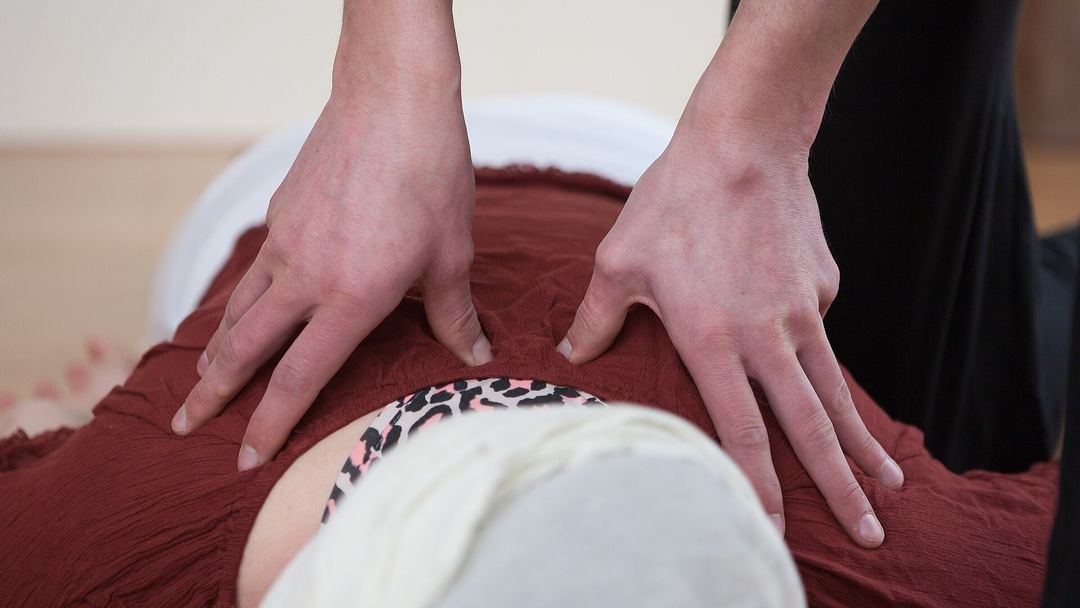
When a headache, a wave of nausea or a sleepless night hits, your own thumb can help. Learn exactly where the key acupressure points are, how hard and how long to press, which to avoid in pregnancy, and which gadgets to skip.
On this page
How do you find and press an acupressure point properly?
Not everyone stops to ask whether a thumb pressed in the right spot can ease a headache or a queasy stomach, and it is good that you want to learn acupressure points properly.
It is mid-afternoon and a dull ache is building behind your eyes. You remember a grandmother on a long car ride pinching the fleshy web of your hand, and the queasiness easing. You wonder whether that was real, and where else you should press.
Here is the basic technique for any point in this guide.
Step 1. Find the landmark first, using the finger-width measures described below.
Step 2. Feel around the spot. Points usually sit in a small hollow, a gap between tendons or bones, or a place that feels more tender than the skin around it.
Step 3. Press with the pad of your thumb or middle finger. Build the pressure slowly over a few seconds until you feel a deep, dull ache, sometimes described as a "good hurt".
Step 4. Hold steady or make small slow circles for one to three minutes. Breathe slowly through your nose.
Step 5. Release slowly. Do the same point on the other side of the body.
Points are measured in body inches called cun, and a cun is based on your own hand, so the map scales to you. The width of your thumb at the knuckle is about one cun. The width of your index and middle fingers held together is about one and a half cun. Four fingers held together, measured across the middle knuckles, is about three cun. When this guide says "three finger widths", it means index, middle and ring fingers side by side.
Pressure matters more than precision. Being a few millimetres off rarely matters if you are pressing the tender spot. Pressing too hard does matter: you should never feel sharp, stabbing or burning pain, and you should never leave a bruise.
Trim your nails, warm your hands, and sit or lie somewhere you can relax your shoulders. Acupressure works best when you are breathing slowly, so many people pair it with a few long exhales.
What should acupressure feel like?
A deep, dull ache, fullness or spreading warmth at the point, sometimes with a mild tingle. It should feel strong but not painful. If it feels like nothing, press slightly deeper or move a few millimetres to find the tender spot.
Should I press both sides of the body?
Usually yes. Most points come in pairs, one on each side. Press one side, then the other. Points on the midline, such as Yintang between the eyebrows, are single.
Can I use a tool instead of my thumb?
Yes. A pencil eraser, a smooth wooden stick or the rounded end of a pen lid works for small points. Avoid anything sharp. Tools let you press longer without tiring your thumb.
When should you not use acupressure, or check with a doctor first?
Acupressure is gentle, but a few situations need care. Check with your doctor or midwife first if any of these apply to you.
Pregnancy. Traditionally, LI4 (in the web of the hand), SP6 (above the inner ankle), BL60 (behind the outer ankle), BL67 (on the little toe) and GB21 (on top of the shoulder) are avoided before 37 weeks. A review of the research found no reliable evidence that these points cause miscarriage or labour, but the custom remains, and it costs you nothing to follow it. P6 for nausea is widely used in pregnancy.
Skin and veins. Do not press over broken skin, bruises, burns, rashes, swollen or hot areas, or varicose veins.
Bleeding risk. If you take blood thinners or bruise easily, use light pressure only.
Numbness. If you have diabetes with numb feet, or any area with poor feeling, you cannot judge pressure well, so press lightly and check the skin afterwards.
Recent injury or surgery. Keep away from fractures, new scars and operated areas until they heal.
Some symptoms need a doctor straight away. Get urgent help for a sudden, severe "worst ever" headache; a headache after a head injury; a headache with fever and a stiff neck, confusion, weakness, slurred speech or vision loss; nausea with severe belly pain or vomiting blood; and constipation with blood in the stool, unexplained weight loss, or a change in bowel habit lasting more than three weeks.
For anxiety, acupressure is a soothing tool for everyday nerves. If anxiety is stopping you from working, sleeping or leaving the house, please also speak to your doctor or a therapist. Acupressure sits happily alongside talking therapy and medicine.
None of the points here replace prescribed treatment. Keep taking your medicines and use acupressure as an extra.
Is P6 safe to press in pregnancy?
Yes. P6 on the inner wrist is the point most used for morning sickness, and wristbands for it are sold for pregnancy. It is not on the traditional list of points to avoid. Mention it to your midwife if sickness is severe.
Can children use acupressure?
Gentle pressure on P6 for travel sickness is commonly used with children. Use much lighter pressure than for an adult and stop if they dislike it. For any child who is unwell, ask your doctor first.
Which acupressure points help a headache?
The three most used headache points are LI4 in the hand, GB20 at the base of the skull, and Yintang between the eyebrows. Press each for one to two minutes at the first sign of a headache.
LI4, Hegu ("joining valley"). Squeeze your thumb against the side of your index finger. A mound of muscle rises in the web between them. LI4 is at the highest point of that mound. Relax the hand, then press into the spot, angling your thumb slightly toward the bone of the index finger. It is often very tender. Skip it if you are pregnant.
GB20, Fengchi ("wind pool"). Put your thumbs at the base of your skull, behind your ears. Slide them in toward the centre until they drop into two hollows between the neck muscles, about two thumb widths either side of the spine. Press upward and slightly in, toward the skull, while you let your head rest back into your hands. This one helps most with tension headaches that start in the neck.
Yintang ("hall of impression"). The point midway between the inner ends of your eyebrows. Press gently with your middle finger, or make slow small circles. Use lighter pressure here than on the other two points.
A simple two-minute headache routine: thirty seconds on LI4 each side, one minute on GB20 with both thumbs at once, and thirty seconds on Yintang with your eyes closed. Then drink a glass of water and roll your shoulders.
What the evidence says: there are few good trials. In 2010, Hsieh and colleagues in Taiwan randomly assigned 28 people with chronic headache to a month of acupressure or a month of muscle relaxant medicine. The acupressure group reported less pain, and the difference lasted to six months. The trial was small and nobody was blinded, so treat it as encouraging rather than proof. Acupuncture has stronger evidence: NCCIH reports moderate-quality evidence that it may reduce how often migraines come and some evidence for tension headache.
If you get headaches more than a few days a week, keep a simple diary of triggers such as sleep, caffeine, screen time and missed meals. The pattern is often more useful than any single point.
Which point is best for a tension headache?
GB20 at the base of the skull, because tension headaches often start in the neck muscles. Combine it with slow shoulder rolls and a warm compress on the back of the neck.
Why is LI4 so painful when I press it?
The web of the hand has a thick muscle and many nerve endings, so it is naturally sensitive. Strong tenderness there is common and not a sign of illness. Ease off if the ache turns sharp.
Where is the P6 nausea point, and does it really work?
P6, also called PC6 or Neiguan ("inner gate"), is on the inside of your forearm, three finger widths above the wrist crease, between the two tendons in the middle of the wrist. It is the best-tested acupressure point there is.
How to find it. Turn your palm up. Place three fingers of your other hand across your wrist, with the edge of the ring finger on the first wrist crease. P6 is just above your index finger, in the centre of the forearm. Make a loose fist and bend the wrist slightly, and you will feel two tendons. The point sits between them.
How to press. Press firmly with your thumb for two to three minutes, or press and release in a slow rhythm. Do both wrists. It may feel tender or give a mild tingle into the hand.
What the evidence says. A 2015 Cochrane review by Lee and colleagues pooled 59 trials with 7,667 people having surgery. Compared with sham treatment, stimulating P6 reduced nausea, vomiting and the need for rescue anti-sickness drugs. The reviewers rated the evidence as low quality because the trials varied so much. P6 stimulation worked about as well as anti-sickness drugs in the trials that compared them. Cochrane updated the review in 2025 with the same overall message.
For morning sickness, small trials of P6 wristbands have given mixed results, with some finding less nausea and others finding the band no better than a placebo band. Many women still find it worth trying because it has no side effects. Severe vomiting in pregnancy, where you cannot keep fluids down, needs your midwife or doctor the same day.
For travel sickness, press P6 before the trip starts and whenever a wave of nausea comes. Look at the horizon, get fresh air, and avoid reading in the car.
For nausea during cancer treatment, NCCIH says experts generally agree acupuncture helps, but most of that research is older and its value alongside modern anti-sickness drugs is uncertain. Ask your oncology team before adding it, and never use it in place of the medicines they prescribe.
How long does it take for P6 to ease nausea?
Many people notice a change within a few minutes of steady pressure. If nothing changes after five minutes, check the position: it must be between the two tendons, not on the side of the wrist.
Can I use P6 for a hangover?
You can try it for the nausea, along with water and rest. It will not speed up how your body clears alcohol. Vomiting that will not stop, or confusion, needs medical help.
Which pressure points help you fall asleep?
The most used sleep points are HT7 on the wrist crease, Yintang between the eyebrows, and SP6 above the inner ankle. Press them in bed with the lights off, slowly, as part of winding down.
HT7, Shenmen ("spirit gate"). Turn your palm up. Follow the little-finger side of your wrist to the main wrist crease. HT7 is in the small hollow on the crease, just on the thumb side of the tendon you can feel there. Press gently for one to two minutes on each wrist, breathing out slowly.
Yintang. Rest your middle finger between your eyebrows and make slow circles for one minute with your eyes closed.
SP6, Sanyinjiao ("three yin meeting"). Place four fingers above the tip of your inner ankle bone. SP6 is just behind the shin bone at the top edge of your fingers. It is often tender. Press for one to two minutes each side. Do not use SP6 if you are pregnant.
A bedtime routine. Lie on your back. Do HT7 on both wrists, then SP6 on both legs, then finish with Yintang. Breathe in for four counts and out for six throughout. The whole routine takes about eight minutes.
What the evidence says: in 2018, Waits and colleagues pooled trials of acupressure for sleep quality in Sleep Medicine Reviews. In the trials that compared real acupressure with sham, sleep quality scores improved more with the real points, with the biggest changes in how long it took to fall asleep and how long people slept. HT7 was used in most of the trials, usually for one to five minutes per point, several times a week for three to four weeks. The trials were small and often unblinded, so the result is promising but not certain.
If you lie awake with a racing mind most nights for more than three months, that is chronic insomnia, and a form of talking therapy called CBT for insomnia has the strongest evidence. Acupressure can sit alongside it. Our guide The Natural Way to Fall Asleep covers light, timing and routine.
Ear points are another option for sleep. The sibling guide Ear Seeds explains how small seeds taped to the ear are used to press points through the night.
How long before bed should I do sleep acupressure?
Do it once you are in bed with the lights low. It works partly by slowing your breathing and relaxing your body, so it fits best as the last thing you do before sleep.
What if I wake at 3am and cannot get back to sleep?
Repeat HT7 and Yintang slowly in the dark without checking your phone. If you are still awake after about twenty minutes, get up, sit somewhere dim, and return to bed when you feel sleepy.
Is there an acupressure point that calms anxiety?
Yes. Yintang, HT7 and LV3 are the points most used for anxious moments, and P6 is often added if anxiety brings nausea. Press slowly, with long out-breaths, for one to three minutes.
LV3, Taichong ("great rushing"). On the top of your foot, slide a finger from the web between your big toe and second toe back toward your ankle. Where the two bones meet, you feel a hollow. LV3 is in that hollow. It is often surprisingly tender. In Chinese medicine it is used to "move stuck qi", the pattern linked with irritability, tension and stress.
Yintang and HT7 are described in the sleep section above. For a quick calm-down at your desk, press HT7 on one wrist and breathe out slowly for six breaths, then swap wrists.
The "four gates". Pressing LI4 on both hands and LV3 on both feet is a classic combination for tension and stress. Do it sitting down, two minutes on each pair. Skip LI4 if you are pregnant.
What the evidence says: in 2015, Au and colleagues reviewed trials of acupressure for anxiety in Acupuncture in Medicine. Seven trials met their criteria and five could be pooled. Acupressure reduced anxiety more than sham, mostly in people waiting for a medical or dental procedure, with a medium effect. Later reviews found similar results with a lot of variation between studies, so the effect looks real for short-term nerves, and is less clear for long-term anxiety.
That matches how most people use it: for the wait before an exam, an interview, a scan or a difficult call. Pair it with slow breathing. If you want a tapping method that uses some of the same points with spoken phrases, EFT Tapping explains how that works.
If anxiety is constant, comes with panic attacks, or is shrinking your life, please also talk to your doctor or a therapist. Acupressure is a good tool to carry in your pocket, alongside proper support.
Which point is best for a panic attack?
Many people press P6 or HT7 because they are easy to reach discreetly. During panic, the slow breathing matters as much as the point: breathe out longer than you breathe in. Recurrent panic attacks deserve a conversation with your doctor.
Can I press points in a meeting without anyone noticing?
Yes. HT7 and P6 on the wrist, and LI4 in the hand, can be pressed under a table or with your hands resting in your lap. Nobody needs to know.
How do you use acupressure for constipation?
Use the belly points CV6 and ST25 with slow clockwise belly massage, and add TE6 on the forearm and ST36 on the leg. Do it lying down, ideally in the morning, for five to ten minutes.
CV6, Qihai ("sea of qi"). Two finger widths below your belly button, on the midline. Press gently with two or three fingertips as you breathe out, and release as you breathe in. Never press deeply into the belly.
ST25, Tianshu ("heaven's pivot"). Three finger widths to each side of your belly button. Press both sides at once with your index and middle fingers, gently, for one to two minutes.
Clockwise massage. With a flat palm, circle your belly slowly in a clockwise direction, the direction the large bowel runs, for three to five minutes.
TE6, Zhigou ("branch ditch"). On the back of your forearm, four finger widths above the wrist crease, between the two forearm bones. Press firmly for one to two minutes each side.
ST36, Zusanli ("leg three miles"). Four finger widths below the lower edge of your kneecap, one finger width to the outside of the shin bone. Press firmly for one to two minutes each side.
Avoid deep belly pressure if you are pregnant, have had recent abdominal surgery, have a hernia, or have belly pain that is severe, sudden or comes with fever or vomiting. Those need a doctor.
What the evidence says: most research is on ear acupressure. A 2023 review in Frontiers in Physiology pooled 34 trials with 2,465 adults and found auricular acupressure increased complete bowel movements, but rated the certainty of evidence as low to very low. Trials of body points such as ST25 and ST36 are mostly small. The basics still matter most: fluids, fibre, movement, and not ignoring the urge to go.
Constipation that lasts weeks, comes with blood, weight loss or a change in your usual habit, or starts after age 50 for no clear reason, needs a doctor's check.
How quickly does acupressure work for constipation?
It works gently, and more slowly than a laxative. Some people feel movement in the gut within minutes of belly massage, but most notice change over several days of regular practice alongside more water, fibre and walking.
Is ST36 safe to press every day?
Yes, for most people. It is one of the most used points in Chinese medicine, traditionally for digestion and stamina. Press firmly but stop if the area becomes bruised or sore.
Which acupressure gadgets and courses are a scam?
The scam is rarely acupressure itself. It is the product or course sold on top of it, with medical claims no evidence supports. Here are the specific traps.
Spiked mats with medical claims. Acupressure mats covered in plastic spikes can feel relaxing, but sellers often promise much more. The UK's Advertising Standards Authority ruled against the seller of the Pranamat ECO mat for claims that it relieved back pain and headaches and improved circulation, and for calling it "certified" in a way that suggested medical approval. The ASA has said that neither it nor the Committee of Advertising Practice has seen evidence that hand-held acupressure devices treat the conditions acupuncture is used for. A mat that helps you relax is fine. A mat sold as a cure for sciatica or high blood pressure is not.
Pain pads with trial claims. The ASA also upheld a complaint against an acupressure pain pad sold as Instalife, finding the clinical trial the company supplied did not support its pain relief claims.
Magnetic insoles, slippers and bracelets. These are often sold as "magnetic acupressure". NCCIH says research on static magnets for pain is extremely limited and has found no conclusive evidence they work for any type of pain. Nubbed slippers may feel nice, and that is all you should pay for.
Wristbands at inflated prices. P6 wristbands have real evidence for nausea, but a plain elastic band with a plastic stud is a cheap item. Pricier "smart" versions with apps or crystals do not add evidence.
Charts and apps that promise cures. You will find point charts claiming to cure diabetes, thyroid disease, infertility, high blood pressure or eye conditions in a few minutes a day. No trial supports any of those claims. Pressing points will not lower blood sugar or replace thyroid tablets, and anyone who tells you to stop medicine in favour of a chart is putting you at real risk.
Paid "certifications". Outside Japan, acupressure is generally not a regulated profession. In Japan, shiatsu practitioners hold a national licence under a law dating from 1947. Elsewhere, a weekend or online "certified acupressurist" course is a private course certificate. It does not let anyone diagnose, treat disease or call themselves a therapist in a regulated sense. If you want hands-on treatment, a licensed acupuncturist, physiotherapist or licensed massage therapist is accountable to a regulator.
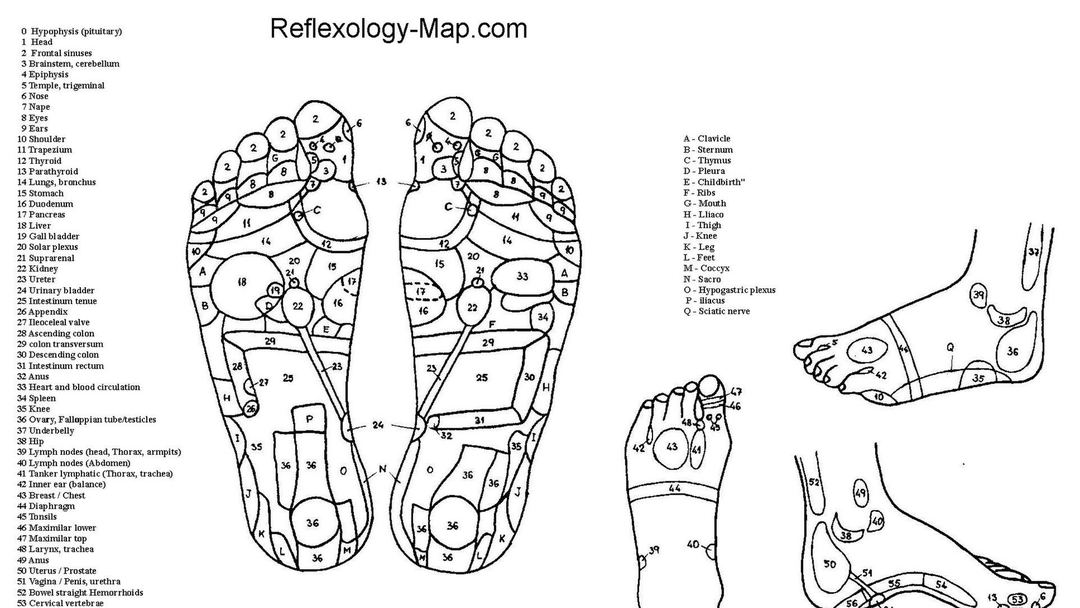
"Diagnosis" from tender points. A sore point means a sore point. A practitioner who says a tender spot on your foot or hand proves you have a disease in an organ, and then sells you a course of sessions or supplements to fix it, is overreaching. The sibling guide Foot Reflexology covers that claim in more detail.
What a fair purchase looks like: a basic wristband for travel or pregnancy nausea, or nothing at all, because your own thumb is the original tool.
Are acupressure mats worth buying?
If you enjoy the sensation and find it relaxing, a basic mat is a reasonable small purchase. Pay for the comfort alone. Avoid mats sold with claims about curing pain conditions, fixing circulation or being medically certified.
Is an online acupressure certificate worth anything?
It can teach you useful points for yourself and family. It is not a licence. In most countries it gives no right to diagnose or treat illness, and employers in healthcare do not treat it as a professional qualification.
What does a simple daily acupressure routine look like?
A good routine takes five to ten minutes, twice a day, using three or four points matched to your main problem. Keep it short enough that you will actually do it.
Morning, for energy and digestion (five minutes). ST36 on both legs for one minute each. LI4 on both hands for thirty seconds each, unless you are pregnant. Finish with clockwise belly massage for two minutes.
Afternoon, for tension and headache (three minutes). GB20 with both thumbs for one minute. Yintang for thirty seconds. Roll your shoulders and look away from the screen.
Bedtime, for sleep and calm (eight minutes). HT7 on both wrists, SP6 on both legs (not in pregnancy), then Yintang, with slow out-breaths throughout.
As needed, for nausea. P6 on both wrists for two to three minutes.
Give any routine two weeks before you judge it. Write one line a day: the symptom you care about, scored from 0 to 10. Small changes are easier to see on paper than in memory.
If nothing changes after two weeks, check three things. First, the location: watch your hand in a mirror or ask someone to check the landmark. Second, the pressure: many beginners press too lightly to feel the dull ache. Third, the timing: points for sleep work better when you are already in bed and relaxed.
If it still does not help, that is useful to know. Acupressure helps some people a lot and others very little. A licensed acupuncturist can use the same points with needles, and our guide Traditional Chinese Medicine explains how to check a practitioner's licence.
Most people who stay with acupressure keep just two or three favourite points. That is enough. The best point is the one you remember to press when you need it.
Can I combine acupressure with other remedies?
Yes. It sits safely alongside medicines, heat packs, stretching and breathing exercises. Keep taking anything your doctor has prescribed and use acupressure as an extra.
Should I see someone to learn the points properly?
One session with a licensed acupuncturist or shiatsu practitioner can help, because they can show you the exact spots on your own body. Ask them to mark the points with a pen so you can find them again.
Questions people ask
How long should you hold an acupressure point?
Most guides suggest one to three minutes per point, using firm, steady pressure or small slow circles. In the sleep trials reviewed by Waits and colleagues, points were typically pressed for one to five minutes. If a point feels sharp rather than achy, ease off. You can repeat a point two or three times a day.
Can pressing acupressure points be harmful?
For most healthy adults the risk is small: a bruise or soreness if you press too hard. Avoid pressing over broken skin, bruises, varicose veins, recent fractures or swollen, hot areas. In pregnancy, LI4, SP6, BL60 and GB21 are traditionally avoided. Acupressure should never delay care for a sudden severe headache or chest pain.
Where is the pressure point for migraine?
People most often use LI4 in the web of the hand and GB20 in the hollows at the base of the skull. Press each for one to two minutes at the first sign of an attack. There is little direct trial evidence for acupressure in migraine, so keep using the treatment your doctor recommends, and see a doctor for any new or changed headache pattern.
Do acupressure wristbands work for travel sickness?
They may help some people with nausea. A 2015 Cochrane review of 59 trials found that stimulating the P6 point reduced nausea and vomiting after surgery compared with sham treatment, though the evidence was rated low quality. Results for travel and pregnancy sickness are more mixed. Make sure the stud sits on P6, three finger widths above the wrist crease.
Can acupressure induce labour?
There is no reliable evidence that pressing points such as SP6 or LI4 starts labour. Trials have mostly found no effect on when labour begins, though some found less pain during labour. Traditionally these points are still avoided before term. Talk to your midwife before using any point to try to bring on labour.
What is the difference between acupressure and acupuncture?
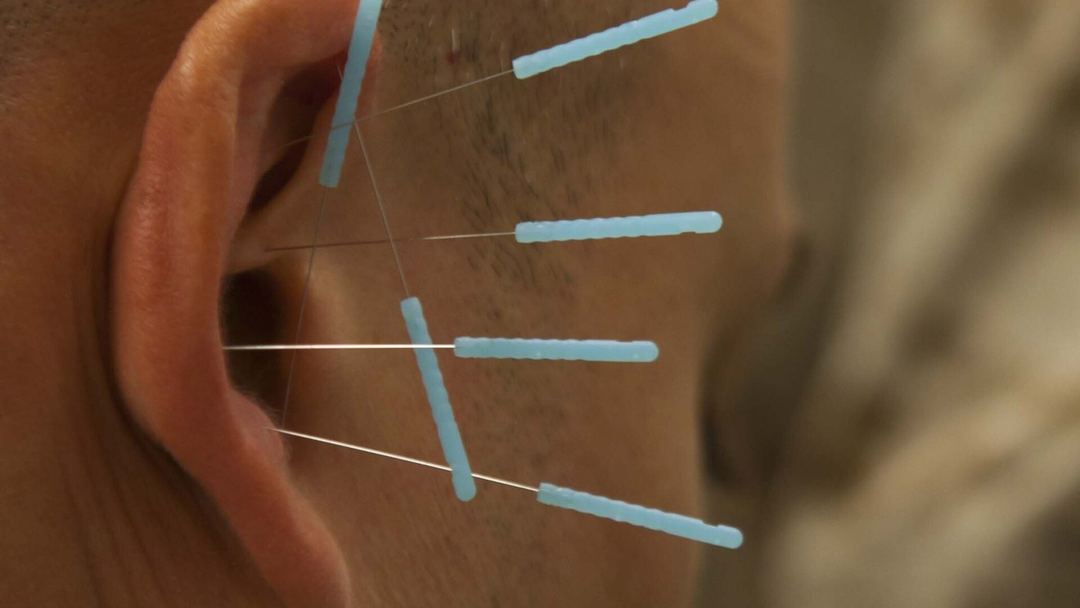
They use the same points. Acupuncture places thin needles and needs a licensed practitioner. Acupressure uses fingers or a blunt tool, so you can do it yourself at home. Shiatsu is a Japanese style of whole-body finger pressure, and in Japan practitioners hold a national licence.
How many times a day can you do acupressure?
Two or three short sessions a day is a common rhythm, for example morning, mid-afternoon and bedtime. For nausea you can press P6 whenever a wave comes. If a point is still tender the next day, give it a rest.
What does today hold for you?
Pop in your birthday. Your reading shows up right here. No email, no account.
Related topics: acupressure points, acupressure points for headache, acupressure points for nausea, acupressure points for sleep, acupressure points for anxiety, acupressure points for constipation, acupressure points to avoid during pregnancy, acupressure points for migraine