Cupping Therapy: Types, Safe Self-Cupping and What the Marks Mean
By DailyDestiny Editorial Team
The short answer
Cupping places cups on the skin and uses suction to draw skin and muscle up into them, usually on the back. Dry cupping uses suction alone, wet cupping (hijama) adds small cuts to draw a little blood, fire cupping uses heat to create the vacuum, and silicone cups let you do it at home. The round marks are bruising from tiny broken blood vessels, they fade within about one to two weeks, and research on the benefits is mostly low quality.
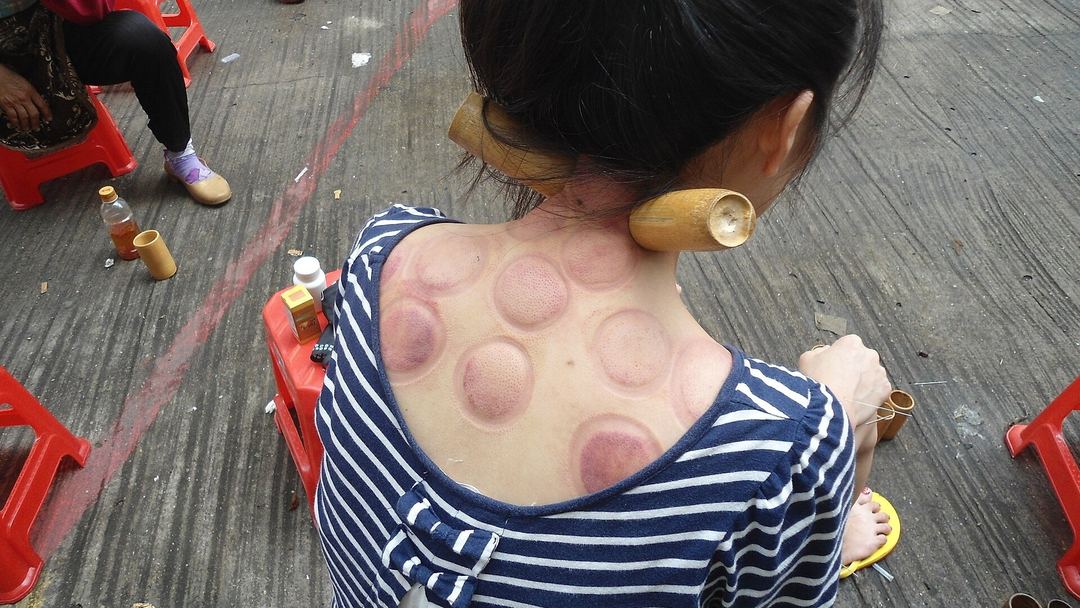
Those round purple marks raise a lot of questions. Here is what cupping really does, how to cup yourself safely with silicone cups, what the marks are, what the research shows, and how to avoid hijama and "detox" traps.
On this page
What is cupping therapy, and what are those round marks?
You came looking for honest answers about cupping therapy, maybe after spotting round purple marks on someone's back, and you deserve a clear guide before any cup touches your skin.
In the gym changing room, the woman on the next bench has six neat purple circles across her shoulders. Your physiotherapist offers "a bit of cupping" at the end of your session, and a cheap silicone set keeps appearing in your feed. You want to know whether it helps, whether it is safe, and what those circles really are.
Cupping is old and found in many cultures. It appears in ancient Greek, Egyptian and Chinese medicine, in Islamic prophetic medicine as hijama, and in European folk medicine, where glass cups were common in homes into the twentieth century.
The idea behind it varies by tradition. Chinese medicine talks about moving stuck qi and blood. Hijama traditions talk about drawing out harmful blood. Modern practitioners talk about lifting and loosening tissue, the reverse of a massage that presses down.
What actually happens under the cup is simpler. Suction pulls skin, fat and the outer layer of muscle upward. Tiny blood vessels, called capillaries, break under that pull and leak blood into the surrounding tissue. That blood is what you see as the circle.
The feeling during cupping is a tight, pulling squeeze that many people find relaxing once they are used to it. Afterwards the area may feel warm, loose and a little tender, like after a deep massage.
This guide covers all the main types, but the step-by-step section is about silicone cups, because they are the only kind that is reasonably safe to use on yourself. Fire cupping and wet cupping belong in trained hands.
Is cupping a Chinese or a Muslim practice?
Both, and more. Cupping developed in many ancient cultures. Chinese medicine uses mainly dry and fire cupping, while hijama, wet cupping, is part of Islamic prophetic medicine. European and Middle Eastern folk medicine used it too.
Is cupping the same as gua sha?
They leave similar marks for the same reason, but the method differs. Cupping lifts the skin with suction. Gua sha scrapes over it with a smooth tool. The guide Gua Sha explains the scraping method.
Who should not have cupping, or should ask a doctor first?
Cupping is not for everyone. Skip it, or check with your doctor first, if any of these apply.
You take blood thinners or have a bleeding disorder. Cupping works by breaking small vessels, so bruising can be far larger and slower to heal.
You are pregnant. Never cup the belly or lower back, and avoid wet cupping completely.
Your skin is broken, thin or inflamed. Avoid open wounds, sunburn, eczema or psoriasis flares, rashes and skin infections. NCCIH notes cupping may make eczema and psoriasis worse. Long-term steroid use and older age can make skin thin and easy to tear.
You have varicose veins, a past blood clot, or swelling in one leg. Keep cups well away from these areas.
You have anaemia, diabetes with slow healing, or a weak immune system. These matter most for wet cupping, which breaks the skin and removes blood.
You have a fever or feel generally unwell. Rest and see a doctor if needed.
Children and very frail older people should only have the gentlest cupping, from a trained practitioner, if at all.
There are also places on the body where cups never go: the front and sides of the neck, the face (except tiny facial cups used with very light suction), the eyes, the breasts, the armpits, the groin, bony points such as the spine and shoulder blade edges, and anywhere with a pulse you can feel strongly under the skin.
NCCIH lists the known risks plainly. Cupping can cause lasting skin discolouration, scars, burns and infections. Rarely, cupping on the scalp has been linked to bleeding inside the skull, and repeated wet cupping has caused anaemia from blood loss. Equipment that is not sterilised between people can spread blood-borne infections such as hepatitis B and C.
One more practical point from NCCIH: tell your doctor, nurse or physiotherapist about cupping marks before they examine you, so the marks are not mistaken for signs of injury or abuse.
Can I have cupping if I take aspirin every day?
Ask your doctor first. Daily aspirin makes you bruise more easily. If your doctor agrees, choose light suction, short times and dry cupping only.
Is cupping safe for older people?
Gentle dry cupping can be, but older skin is thinner and bruises more easily, and many older people take blood thinners. Start with light suction for a few minutes, or choose massage instead.
What is the difference between dry, wet, fire and silicone cupping?
The difference is how the suction is made and whether the skin is cut. Here are the main types you will be offered.
Dry cupping. Suction only, with no cuts. Cups stay in place for a few minutes. This is the most common type in clinics and the only type to use at home.
Moving or gliding cupping. The skin is oiled and a cup with gentle suction is slid along the muscle, like a reverse massage. It usually leaves lighter, streaky marks.
Flash cupping. Cups are placed and removed quickly, again and again, for a lighter effect.
Fire cupping. A practitioner heats the air inside a glass cup with a brief flame, often a cotton ball soaked in alcohol held with forceps, then places the cup. As the air cools it creates suction. It needs training.
Wet cupping, or hijama. A cup is applied, removed, the skin is scratched or cut with a sterile blade, and the cup is reapplied to draw out a small amount of blood.
Silicone and pump cups. Silicone cups are squeezed, placed and released. Plastic cups with a valve use a hand pump. Both are sold for home use.
Facial cupping. Very small, soft cups glided lightly over oiled facial skin, meant to leave no marks.
Please do not try fire cupping at home. In 2017, doctors at the Victorian Adult Burns Service reported in the Medical Journal of Australia on 20 people treated for cupping burns in the Burns Registry of Australia and New Zealand between 2009 and 2016. Sixteen of the burns happened at home. Methylated spirits was the fuel in 17 cases. In the case that prompted the review, a container of methylated spirits spilled onto a man's arm and side during cupping and caught fire. Eight people needed skin grafts, and the average hospital stay was almost eleven days.
Pump cups also need care, because it is easy to pump far more suction than you need. Two or three pumps are usually enough.
Silicone cups are the gentlest choice for home use: you control the suction with your grip, they cannot burn you, and they are easy to clean.
Which type of cupping is best for a beginner?
Dry cupping with silicone cups at home, or dry cupping from a licensed practitioner. Leave fire and wet cupping to trained practitioners working with proper equipment.
Does facial cupping leave marks?
It should not. Facial cups are small, soft and kept moving with light suction. If marks appear, the suction is too strong or the cup stayed still too long.
How do you do cupping at home with silicone cups?
Use two to four silicone cups on a large, fleshy muscle, with light suction, for three to five minutes the first time. Release them by letting air in at the edge, never by pulling.
Step 1. Choose your area. Good places to start are the tops of the shoulders, the outer thighs, the calves and the buttocks. The muscles either side of the spine on the upper back work well, but you need a partner for them.
Step 2. Clean and dry the skin. If you plan to glide the cup, add a thin layer of massage oil. For still cupping, oil is optional, but it helps the seal.
Step 3. Squeeze the cup firmly, place the open rim flat on the skin, then slowly relax your grip. The skin will rise into the cup. Aim for a gentle lift the first time, not a deep pull.
Step 4. Check the feeling. It should be a tight squeeze that you can relax into. If it is painful, press the skin beside the rim to let some air in and try again with less squeeze.
Step 5. Leave the cups for three to five minutes. Stay still and breathe slowly.
Step 6. Remove each cup by pressing your finger into the skin right beside the rim, which breaks the seal. Never pull a cup straight off.
Gliding cupping. Oil the skin well. Squeeze the cup lightly, place it, and slowly slide it along the muscle in one direction, for example from the knee up the outer thigh. Lift and repeat for one to two minutes per area. Use less suction than for still cupping, because a strong cup drags painfully.
How to progress. If your first session felt fine and the marks faded within a week or two, you can try slightly stronger suction or up to about ten minutes. Do not go further. Longer or harder is not better, and it raises the risk of blisters.
What to avoid. Keep cups off the spine bones, the front and sides of the neck, the face, the belly if you are pregnant, varicose veins, moles and any broken skin. Do not leave cups on while you sleep.
Looking after your cups. Wash them in warm soapy water after each use and let them dry fully. Do not share cups with others unless they are washed well, and never share any cup that has touched broken skin.
Between sessions, pressing a few points by hand can help too. The guide Acupressure Points shows where GB20 and other tension points are.
How strong should the suction be?
Strong enough to lift the skin and feel a firm squeeze, but never painful. The skin inside the cup should turn pink or red, not white and numb. If you are unsure, use less.
Can I cup my own lower back?
You can reach the sides of the lower back if you are flexible, but avoid the spine and the area over the kidneys in the middle of the back. It is easier and safer with a partner placing the cups.
Why did a blister appear under the cup?
Strong suction or a long time can lift the top layer of skin and form a fluid blister. Remove the cup, do not pop the blister, keep it clean and covered, and use less suction next time. See a doctor if it looks infected.
What do the colours of cupping marks mean, and how long do they last?
The colour of a cupping mark tells you how much blood leaked from small vessels under the cup. That depends mostly on how strong the suction was, how long the cup stayed on, how easily you bruise, and the area of the body. Marks usually fade within about one to two weeks.
Light pink marks are common with gentle suction or gliding. Bright red marks come from stronger suction. Dark purple marks come from stronger or longer suction, or from areas where you bruise easily, and they can last longer. Some people also see tiny red dots, called petechiae, inside the circle.
As the mark heals, the blood under the skin is broken down and cleared, which is why a mark may change colour as it fades.
Many practitioners read the colour as a sign of "stagnation" in Chinese medicine terms, with darker marks meaning a more long-standing problem. That is a traditional reading. There is no evidence that the colour shows the amount of toxins, disease or "dirty blood" in your body, and the same person can get pale or dark marks from the same spot depending on how hard the cup pulled.
A practical test: if you cup the same area again a few weeks later with the same suction and time, the mark is often lighter. Practitioners say this shows the area has cleared. It may simply be that the tissue has adapted to the pull, or that the suction was slightly different. Either way, a lighter mark is a fine sign.
See a doctor if marks are still dark after two weeks, appear where you did not cup, keep spreading, or come with blisters that look infected, fever or feeling unwell.
Why are my cupping marks so dark?
Usually because the suction was strong, the cups stayed on a long time, or you bruise easily. Some medicines, including aspirin and blood thinners, also darken marks. Use lighter suction and shorter times next session.
Can I hide cupping marks for an event?
Plan ahead and do not cup anywhere that will show in the two weeks before. Gliding cupping with light suction leaves fainter marks. Concealer can cover pale marks, but not over broken skin.
Did cupping help Michael Phelps, and what does the research show?
Nobody can say whether cupping helped Michael Phelps win, but his marks made cupping famous. At the 2016 Rio Olympics, he swam with large purple circles on his shoulders and back, and gymnast Alex Naddour and other athletes had them too. Phelps said he had been using cupping for a while. Searches for cupping soared, but athletes liking a treatment is not the same as proof that it works.
The research is mixed and mostly low quality. NCCIH says cupping may help reduce pain, but the evidence is not very strong, and for other conditions there is not enough good research to draw conclusions.
The biggest review is Cao and colleagues in PLoS ONE in 2012. They found 135 randomised trials published from 1992 to 2010, mostly from China, and 78 of them used wet cupping. Cupping combined with other Chinese medicine treatments did better than those treatments alone for shingles, facial palsy, acne and neck problems from worn spinal joints. The authors judged the trials to be generally of low methodological quality. No serious side effects were reported in the trials.
Two problems make cupping hard to study. First, it is almost impossible to blind. People can feel suction and see marks, so they know whether they had the real treatment. Researchers have tried sham cups with tiny holes that barely lift the skin, but it is hard to make a convincing fake. Second, most trials compared cupping added to other treatment against that other treatment alone, which cannot separate the effect of cupping from the effect of extra time and attention.
So what can you take from it? Cupping is reasonably safe in trained hands, many people with tight, sore muscles find it pleasant and feel looser afterwards, and the pain benefit, if any, is probably modest. That is a fair basis for trying a few sessions of dry cupping, and a weak basis for paying for long courses or using it for serious illness.
If you have chronic back or neck pain, the treatments with stronger evidence are exercise, physiotherapy and, according to NCCIH, acupuncture. Cupping can sit alongside them.
Why do athletes use cupping?
Many say it helps muscles feel looser and less sore between training sessions, and it is quick and drug-free. Sports teams also use it because athletes like it. There is no strong evidence it improves performance.
Is cupping just a placebo?
It is hard to tell, because good placebo-controlled trials are so difficult to run. Part of the benefit is probably the relaxation and attention of the session. That does not make the relief people feel less real, but it should limit how much you spend.
What is hijama, and how do you find a safe wet cupping practitioner?
Hijama is wet cupping, valued in Islamic tradition through hadith reports that praise it. It should only be done by a trained practitioner using sterile, single-use equipment, because it breaks the skin and draws blood.
A typical session goes like this. The practitioner checks your health and medicines. A cup is placed on the area, often the upper back between the shoulders, and left for a few minutes. It is removed, the skin is cleaned, and several small, shallow scratches or cuts are made with a sterile blade. The cup is put back to draw a small amount of blood. Finally, the area is cleaned and dressed.
What safe hijama looks like. The practitioner washes their hands and wears fresh gloves. Blades come out of sealed sterile packets in front of you and go straight into a sharps bin after use. Cups used for wet cupping are single-use, or are properly sterilised, not just wiped. The skin is disinfected before cutting. The room is clean. You are asked about blood thinners, anaemia, diabetes, pregnancy and blood-borne infections.
Who should do it. In the UK, London boroughs license special treatments under the London Local Authorities Act 1991, and requirements vary by borough, so ask to see the premises licence. In other countries, rules differ widely. Choose a regulated health professional where you can, such as a doctor, nurse or licensed acupuncturist trained in wet cupping, and ask what licence covers them to break the skin.
The infection risk is real. In a 2023 case report in BMC Complementary Medicine and Therapies, doctors described a serious, spreading Staphylococcus aureus infection after wet cupping and found ten other published reports of infection after cupping. They point out that breaking the skin barrier, as wet cupping does, raises the risk of skin infection and abscess. NCCIH adds the risk of hepatitis B and C from shared, unsterilised equipment, and of anaemia from repeated sessions.
So, check before you lie down. If you do not see sealed blades opened, gloves changed and a sharps bin, it is fine to get up and leave.
Many people choose a hijama date by the lunar month. That is a matter of faith, and a good practitioner respects it. Safety and hygiene should still come first.
Does hijama remove bad blood?
The blood drawn is your own blood, mixed with fluid from the tissue. It often looks dark and thick because it has sat under suction and started to clot, not because it was dirty. That is the honest physical explanation, whatever meaning the tradition gives it.
How much blood is taken in hijama?
Usually a small amount from shallow oozing under each cup, and it varies with the number of cups and cuts. Repeated frequent sessions can still cause anaemia, so do not have wet cupping often, and tell your doctor if you feel tired, breathless or dizzy.
Which cupping claims, courses and packages are scams?
Cupping itself is a real practice. The scams are the claims, certificates and bundles sold on top of it. Here are the ones to recognise.
"Toxin colour" charts. Many clinics and social media posts show charts saying a dark purple mark means toxins, poor circulation or a sick organ, and a pale mark means health. The colour reflects suction strength, time and how easily you bruise. Charts like these are often used to persuade you that you need more sessions to "clear" the colour.
Weekend and online certifications. You can buy a "certified cupping therapist" course in a weekend or online. It is a private certificate. It is not a licence. It does not on its own give anyone a legal right to break the skin, and it does not qualify anyone to diagnose illness. A certificate on the wall tells you someone took a course, nothing more.
Wet cupping by unlicensed people. Hijama sessions in homes, at events or offered by mobile practitioners without a regulated licence or sterile equipment carry the highest infection risk. Wet cupping kits with blades are sold online for home use, and that is the riskiest way to do it.
Hijama "detox" packages. Some sellers promote wet cupping as a way to flush toxins, purify the blood, cause weight loss, or cure diabetes, infertility, migraine or high blood pressure, and sell bundles of sessions on that basis. No good evidence supports those claims.
Home fire cupping kits. Kits with glass cups, alcohol and a lighter are sold for home use. The Australian burns registry data above shows where that leads.
"Cupping cures" for serious disease. No trial shows cupping cures cancer, diabetes, heart disease or infertility. A practitioner who suggests it can replace medical treatment is putting you at risk.
Cellulite and "body contouring" packages. Salons sell courses of vacuum cupping for cellulite and weight loss. Any smoothing is temporary fluid movement, and there is no good evidence of lasting change.
Diagnosis from marks. A practitioner who uses your marks to tell you that you have a liver problem, a hormone imbalance or "toxins in the blood", then sells supplements or sessions to fix it, is going beyond anything cupping can show.
What a fair, honest offer looks like. You pay per session, not for a prepaid bundle of ten before you know if it helps. The practitioner holds a licence you can look up, such as a state acupuncture or massage licence in the US, a registered physiotherapist, or, in Australia, a Chinese medicine practitioner on the Ahpra register. They explain that marks are bruising, ask about your medicines, and suggest reviewing progress after three or four sessions.
If you have already paid for a package and feel misled, ask for a refund of unused sessions in writing. In the UK and Australia, consumer protection law covers misleading health claims, and the UK's Advertising Standards Authority accepts complaints about ads.
Is a cupping certificate a real qualification?
It shows someone completed a course, which can be useful for learning technique. It is not a regulated licence. For hands-on treatment, look for a licensed acupuncturist, physiotherapist or massage therapist who has added cupping to their training.
Should I buy a home wet cupping kit?
No. Breaking your own skin with blades outside a sterile setting risks infection, and there is no one to help if you feel faint. If wet cupping matters to you, go to a licensed practitioner with sealed single-use equipment.
What should you do in the hours and days after cupping?
Keep the area warm and covered, move gently, drink water if you are thirsty, and leave the marks alone to fade. After wet cupping, also keep the small cuts clean, dry and covered for a day.
The first few hours. Many practitioners advise avoiding cold drafts, ice baths and very hot showers or saunas for the rest of the day. This comes from tradition rather than research, but it does no harm. A gentle walk is better than a hard workout.
Water. There is no need to "flush out toxins", but if the session left you feeling a little drained, a glass of water and a light meal help.
The marks. Leave them alone. Do not massage or scrub them. Most fade within about one to two weeks.
Next session. Wait until the marks from last time have faded before cupping the same area.
When to call a doctor. After wet cupping, get help the same day if a cut becomes red, hot, swollen or oozes pus, if redness spreads, or if you get a fever or chills. After any cupping, see a doctor if you feel faint and it does not pass with lying down, if a mark becomes a hard painful lump, if blisters look infected, or if you notice bruises in places you did not cup.
Knowing when to stop. Give cupping three or four sessions. If your pain, stiffness or comfort has not improved, stop paying for it. If it helps, use it as an occasional extra rather than a weekly obligation.
Many people find that cupping works best as one part of looking after a sore body: regular movement, stretching, enough sleep, and gentler practices on the days between. Tai Chi for Beginners is a good, low-cost place to start if you want something to do daily that keeps the back and shoulders moving.
Can I exercise after cupping?
Light activity such as walking or gentle stretching is fine. Many people skip hard training for the rest of the day, and after wet cupping it is wise to avoid swimming until the cuts have healed.
Why do I feel tired after cupping?
Many people feel relaxed and sleepy after any deep bodywork. After wet cupping, a small loss of blood can add to that. Rest, eat and drink. If tiredness lasts for days, see your doctor.
Questions people ask
Does cupping hurt?
Most people describe a tight pulling or squeezing feeling rather than pain, a bit like a strong massage. Gliding cups over tight muscles can feel intense. Sharp pain, burning or numbness is not normal, so release the cup straight away. Wet cupping adds a brief sting from the small cuts.
How long should you leave cups on?
For a first home session, three to five minutes is plenty. With experience, many people leave silicone cups on for up to about ten minutes. Longer or stronger suction raises the risk of blisters and deep bruising, so build up slowly and never fall asleep with cups on.
How often can you do cupping?
Wait until the marks from the last session have faded before cupping the same area again, which usually means about once a week at most. Gliding cupping with light suction, which leaves fewer marks, can be done more often if your skin stays comfortable.
Does cupping get rid of cellulite?
There is no good evidence that cupping removes cellulite. Gliding cups can make skin look smoother for a short time by moving fluid, and the effect fades. Be wary of home vacuum devices or salon packages that promise lasting results.
Is cupping safe during pregnancy?
Avoid cupping on the belly and lower back during pregnancy, and avoid wet cupping entirely. Some practitioners offer gentle cupping on the upper back or shoulders, but only do this with your midwife or doctor aware. If in doubt, choose a pregnancy massage instead.
When is the best time for hijama?
Many Muslims follow hadith reports that favour the 17th, 19th and 21st days of the Islamic lunar month, and some avoid certain weekdays. If you keep this custom, the free moon phase calendar on this site shows where the moon is in its cycle, though the exact Islamic date depends on local moon sighting. Safety matters more than the date.
Can cupping help back pain?
Some people find it helps, and NCCIH says cupping may reduce pain, though the evidence is not very strong and most studies are of low quality. If you try it, use it alongside exercise and the care your doctor or physiotherapist recommends, and judge it over three or four sessions.
What does today hold for you?
Pop in your birthday. Your reading shows up right here. No email, no account.
Related topics: cupping therapy, cupping therapy at home, cupping marks meaning, cupping therapy benefits, is cupping safe, cupping for back pain, hijama cupping, silicone cupping how to use