Ayurveda for Beginners: Doshas, Daily Routine and Safe First Steps
By DailyDestiny Editorial Team
The short answer
Ayurveda is India's traditional medical system, set down in Sanskrit texts such as the Charaka Samhita and the Sushruta Samhita roughly two thousand years ago. It teaches that health comes from balancing three body forces called doshas, keeping digestion (agni) strong, and living by a steady daily and seasonal routine. The routines are safe and easy to try, while Ayurvedic herbal products need real care, because some contain lead, mercury or arsenic.
You want a gentler, more personal way to look after your body, and Ayurveda keeps coming up. Here is what it really is, a daily routine you can start tomorrow, and how to avoid the remedies that can quietly harm you.
On this page
What is Ayurveda, and how does it work?
There is a reason you typed Ayurveda into a search bar today, and it is probably that you want a gentler, more personal way to look after your body. This page is your plain-English start.
Maybe a friend came back from Kerala glowing and talking about ghee. Maybe a yoga teacher mentioned your dosha and you nodded along. Now you are standing in a health shop, holding a jar of triphala, wondering where to even begin.
Ayurveda means "the knowledge of life" in Sanskrit. It is still one of India's official systems of medicine, taught in government-recognised colleges and practised in hospitals alongside modern medicine.
The theory is simple at its core. Everything, including you, is made of five elements: space, air, fire, water and earth. In the body these combine into three working forces, the doshas. Vata moves things. Pitta transforms things. Kapha holds things together. When they stay in your natural proportion, you feel well. When one builds up through food, weather, stress or poor sleep, you start to feel off. The old texts say disease follows if nothing changes.
So Ayurvedic care works by opposites. Dry, cold, restless problems get warmth, oil and routine. Hot, sharp problems get cooling food and calm. Heavy, sluggish problems get movement, spice and lightness. The tools are food, daily routine, seasonal habits, herbs, oil massage, breathing, yoga and, in clinics, deeper cleansing treatments.
As you read on, hold two ideas together. The lifestyle side is gentle and sensible for most people. The medicine side, especially pills bought online, needs far more care. This guide covers both.
What does the word Ayurveda mean?
It joins two Sanskrit words: ayus, meaning life, and veda, meaning knowledge. So Ayurveda is usually translated as "the knowledge of life" or "the science of life". The name tells you its scope: daily habits and the mind matter as much as illness.
Is Ayurveda a religion?
No. It grew up inside Hindu culture, and its texts mention gods, karma and the self, but you need no particular faith to follow its routines. People of every religion and none use Ayurvedic food and daily habits.
Is Ayurveda the same as yoga?
They are sister traditions from the same culture and share ideas such as breath, discipline and routine. Yoga is mainly a path of practice and meditation. Ayurveda is a medical system of food, habits, herbs and treatment. Many teachers combine the two.
Who should check with a doctor before trying Ayurveda?
Most of Ayurveda's daily habits are safe for healthy adults. Check with a doctor first if you are pregnant or breastfeeding, if you are thinking of giving remedies to a child, if you take any prescription medicine, or if you have kidney disease, liver disease, diabetes, a heart condition or a history of eating disorders.
The routines are rarely the problem. Waking earlier and eating warm meals will not hurt you. The risk sits in herbal products and strict cleanses. Some Ayurvedic preparations contain metals, and herbs can change how other medicines work.
Pregnancy and children. Lead crosses the placenta. In 2012 the CDC described six pregnant women in New York City with lead poisoning linked to Ayurvedic medicines made in India. NCCIH asks anyone pregnant or nursing to talk to their provider before using Ayurvedic products. For children the rule is simple: no Ayurvedic pills, powders or bhasmas unless your paediatrician agrees.
Prescription medicines. Herbs are active substances. Some can add to the effect of blood thinners, diabetes medicines or blood pressure tablets. Show your doctor or pharmacist the full ingredient list of anything you plan to take. Never stop or cut down a prescribed medicine because an Ayurvedic practitioner suggests it. Talk to the doctor who prescribed it.
Kidney and liver disease. These organs clear metals and herbal compounds from your body. If they already struggle, a contaminated or strong product hits harder.
Diabetes and eating disorders. Fasting days, mono-diets of kitchari and home cleanses can drop blood sugar or reopen old patterns around food. Keep any diet change gentle and tell your care team.
If you already take Ayurvedic products and feel unusually tired, constipated, achy or foggy, or have stomach pain, ask your doctor for a blood lead test. Lead poisoning in adults often starts as vague tiredness. The test is a simple blood draw, and it settles the question.
Can I use Ayurveda alongside my regular treatment?
Yes, the lifestyle side fits easily with modern care. NCCIH advises telling all your health care providers about any complementary approach you use, so your care stays coordinated. Do not use Ayurveda to put off seeing a doctor about a new or worrying symptom.
Are Ayurvedic herbs safe because they are natural?
Natural does not mean harmless. Herbs have real effects, and some Ayurvedic products are made with metals on purpose. Safety depends on the exact product, the dose, your health and the medicines you already take.
How old is Ayurveda, and where does it come from?
Ayurveda's oldest surviving books are about two thousand years old. The Charaka Samhita, the classic text on internal medicine, was revised by Charaka sometime between about 100 BCE and 200 CE from an older work. The Sushruta Samhita, the classic text on surgery, grew in layers over several centuries and reached its present form by around 300 to 500 CE.
The ideas behind them are older still. Healing hymns and herbal charms appear in the Atharvaveda, a Vedic text from roughly 1200 to 1000 BCE. Wellness brands often say Ayurveda is 5,000 years old. Historians date the texts much later, and no evidence supports a figure that precise.
The Charaka Samhita. Its 120 chapters cover diet, daily routine, diagnosis, the three doshas, medicines and the ethics of the physician. It says four things matter for recovery: the patient, the physician, the nurse and the medicine. The version we read today comes from a later revision by a scholar named Dridhabala, who wrote that he had to supply about a third of the book himself because that part had been lost.
The Sushruta Samhita. This is the surgical classic. It tells students to practise incisions on gourds and dead animals before operating on people. It also gives the first written record of rebuilding a nose with a flap of skin from the cheek, a technique surgeons still use.
The Ashtanga Hridaya. Written later by Vagbhata, it condensed the earlier works into verse that students could memorise. Its second chapter, on dinacharya, the daily routine, is the source of most "Ayurvedic morning" advice you see online.
The modern layer. Much of what Western shops sell as Ayurveda took shape from the 1980s onward, as teachers opened schools and clinics in the United States and Europe. Online dosha quizzes, dosha-branded teas and three-day spa "cleanses" belong to this modern layer. That does not make them worthless. It simply helps to know which parts come from the classical texts and which come from marketing.
Who was Charaka?
Charaka is named as the physician who revised an older medical text by Agnivesha into the Charaka Samhita. Some historians think the name may refer to a lineage of wandering physicians rather than one man, since charaka means wanderer in Sanskrit.
What are the three great books of Ayurveda?
Ayurvedic colleges call them the Brihat Trayi, the great three: the Charaka Samhita, the Sushruta Samhita and the Ashtanga Hridaya. Students in India still study them, in Sanskrit, alongside anatomy, physiology and clinical training.
What are the three doshas, in one minute?
The doshas are three working forces built from the five elements. Vata, made of air and space, governs movement: breath, nerves, circulation and elimination. Pitta, made of fire and water, governs transformation: digestion, body heat and sharp thinking. Kapha, made of earth and water, governs structure: muscle, fat, joints, immunity and calm.
Everyone has all three. Your particular mix, set at conception according to the texts, is your prakriti, your constitution.
You do not need to know your dosha to start Ayurveda. The daily routine and seasonal habits below suit almost everyone. Knowing your tendencies simply helps you fine-tune them. A thin, chilly, anxious person and a solid, steady, sleepy person need different breakfasts.
The working rule is "like increases like, and opposites balance". Dry, cold, windy weather raises vata, so warm, oily food calms it. Heat, alcohol, chilli and anger raise pitta, so cool food and slower afternoons calm it. Heavy food, long naps and damp cold raise kapha, so movement, spice and lighter meals calm it.
Our full guide, Vata, Pitta and Kapha, walks you through a self-assessment with the body, digestion, sleep and stress traits of each type, explains dual doshas, and gives food and routine plans for each. For now, one rule is enough: notice which way you tip under stress, and lean the other way.
Can my dosha change?
Your prakriti, your birth constitution, is said to stay the same for life. What changes is your vikriti, your current state of balance. A calm kapha person can become anxious and dry, a vata pattern, after months of travel and poor sleep.
Do I need a practitioner to find my dosha?
Not to begin. A careful self-assessment gives most people a useful idea. A trained practitioner looks at many more signs. Be wary of anyone who uses your result mainly to sell you a large bundle of supplements.
What is agni, and why does Ayurveda care so much about digestion?
Agni means fire. In Ayurveda it is the digestive and metabolic fire that turns food into you. Strong, steady agni is said to be the root of health. Weak or erratic agni is said to leave behind ama, a sticky residue of poorly digested food that the texts blame for heaviness, a coated tongue and, over time, illness.
Ayurveda describes four states of agni. Sama agni is balanced: you feel hungry at mealtimes and light afterwards. Vishama agni is irregular and linked with vata: hunger comes and goes, with gas and bloating. Tikshna agni is sharp and linked with pitta: fierce hunger, heartburn and loose stools. Manda agni is slow and linked with kapha: little appetite, heaviness and sleepiness after meals.
There is no blood test for agni or ama. The ideas map loosely onto things doctors do measure, such as appetite, bowel habits and how full you feel. Treat them as a way of paying attention. See a doctor about any lasting change in your bowels, unexplained weight loss, blood in your stool or pain that wakes you at night.
With that in mind, these classic agni habits are simple and safe for most people.
Eat at regular times. Agni is said to like rhythm. Three meals at roughly the same times each day suits most people better than constant grazing.
Make lunch the main meal. Digestion is believed to be strongest around midday, when the sun is high. A lighter, earlier dinner also tends to help sleep.
Wait until you are hungry. The texts advise eating once the previous meal has digested, which most people feel as real hunger and a clean taste in the mouth.
Leave room. A classic rule of thumb is to fill the stomach half with food and a quarter with liquid, and leave a quarter empty.
Sip warm water, not iced drinks. Ice-cold drinks with meals are said to dampen agni. Plain warm water or ginger tea is the Ayurvedic default.
Try fresh ginger before lunch. A thin slice of fresh ginger with a squeeze of lemon and a few grains of salt is a traditional appetiser. Ginger in food is fine for most people. If you take blood thinners, ask your doctor before using ginger supplements.
What does ama look like, according to Ayurveda?
Practitioners point to a thick white or yellow coating on the tongue in the morning, bad breath, a heavy body after sleep and a dull appetite. These signs have many ordinary causes, so treat them as clues rather than a diagnosis.
Is fasting good for agni?
Ayurveda rests a sluggish fire with light eating, called langhana, usually simple soups or kitchari rather than strict fasting. If you have diabetes, a history of eating disorders, or are pregnant, do not fast without medical advice.
What does a beginner's Ayurvedic morning routine look like?
A beginner's dinacharya, or daily routine, takes 20 to 40 minutes. Wake at the same early time, scrape your tongue, rinse or oil pull, drink warm water, empty your bowels, move your body, give yourself a short warm oil massage, bathe, then eat a light breakfast. You do not need all of it on day one. Start with two steps and add one each week.
Here is the order the Ashtanga Hridaya lays out, adapted for an ordinary working morning.
Step 1. Wake early and at the same time. The texts praise brahma muhurta, roughly an hour and a half before sunrise. If that is unrealistic, pick a fixed time you can keep on weekends too. Consistency matters more than the hour.
Step 2. Scrape your tongue. Pull a steel or copper scraper from back to front five to ten times, rinsing between strokes. Our sibling guide, Tongue Scraping, covers the technique and which scrapers to skip.
Step 3. Rinse or oil pull. Swish a tablespoon of sesame or coconut oil for a few minutes, then spit it into the bin. Oil Pulling for Teeth explains how long, which oil, and what dentists say.
Step 4. Drink a glass of warm water. It is said to wake agni and help the bowels move. Ayurveda counts an easy morning bowel movement as a basic sign of health.
Step 5. Move. Spend ten to thirty minutes walking, doing yoga or sun salutations. The texts advise exercising to about half your capacity, until a light sweat appears on the forehead, and never to exhaustion. A few minutes of slow breathing fits here too, and our Pranayama guide covers the safe techniques.
Step 6. Oil your body. Warm a little sesame, coconut or almond oil and rub it into your scalp, ears and feet at minimum, or your whole body when you have time. Abhyanga Self-Massage gives the full stroke order.
Step 7. Bathe in warm water. Leave the oil on for ten minutes or so first, then wash with mild soap only where you need it.
Step 8. Eat a light, warm breakfast. Try cooked oats or rice porridge with spices, stewed fruit, or a small savoury dish. Then make lunch your biggest meal and dinner light and early.
In the evening, eat a light dinner two to three hours before bed and aim to sleep by about ten.
Do I have to wake up before sunrise?
No. Early rising is the ideal in the texts, but a regular wake time you can keep beats a heroic one you drop after a week. Shift workers can anchor the routine to whenever their day starts.
What is the most important part of the routine for a beginner?
Most practitioners would say regular sleep and meal times. They cost nothing, and every other habit sits on top of them. Tongue scraping and a short foot and scalp massage are easy second steps.
How long before I notice a difference?
People often report better energy and digestion within two to four weeks of a steady routine. That is personal experience rather than a measured result. Sleep and bowel habits are the easiest changes to track in a notebook.
How do you eat with the seasons in Ayurveda?
Ritucharya, the seasonal routine, means adjusting food and habits as the weather changes so no dosha builds up. Eat warm, oily, nourishing food in cold, dry, windy months for vata. Eat cooling, less spicy food in hot months for pitta. Eat lighter, warmer, more bitter and spicy food in damp late winter and spring for kapha.
The classical texts split the Indian year into six seasons of about two months each: late winter, spring, summer, the rains, autumn and early winter. Map these onto your own climate rather than the calendar.
Cold, damp late winter into spring: kapha time. Heavy food and long sleep through winter are said to build kapha, which then "melts" in spring as colds, congestion and sluggishness. Lighten up with more bitter greens, beans, barley, ginger and black pepper, and less dairy, sweets and fried food. Exercise briskly in the morning and skip daytime naps.
Hot summer and early autumn: pitta time. Heat builds pitta, felt as irritability, rashes, heartburn and poor sleep. Favour cucumbers, melons, leafy greens, coconut water, rice and mild spices such as coriander and fennel. Cut back on chilli, alcohol, vinegar and fried food. Avoid hard exercise in the midday heat.
Windy, dry late autumn and early winter: vata time. Cold, dry, changeable weather raises vata, felt as dry skin, cracking joints, constipation and anxious, scattered thinking. Eat soups, stews, root vegetables, cooked grains, warm spiced milk and good fats such as ghee and olive oil. Keep regular hours, wrap up warm and oil your skin more often.
The changeover weeks. The texts call the junction between seasons ritu sandhi, roughly the last week of one season and the first week of the next. Shift your diet gradually across those two weeks instead of overnight.
If you live somewhere without those seasons, look at the qualities of the weather instead of the month. A cold, wet, grey stretch is kapha weather wherever it happens. A dry heatwave is pitta weather, and a cold, windy spell is vata weather.
What is kitchari, and why is it so popular in Ayurveda?
Kitchari is a soft stew of rice and split mung beans cooked with ghee and mild spices. It is easy to digest and filling enough to eat for a few days, so Ayurveda uses it for gentle resets at the change of season.
Is ghee healthy?
Ghee is clarified butter, prized in Ayurveda as nourishing and good for agni. Nutritionally it is mostly saturated fat, so a spoonful in cooking is reasonable. If your doctor is watching your cholesterol or you have gallbladder trouble, keep it modest.
What does science say about Ayurveda, and is it licensed where you live?
NCCIH, the US government centre for complementary health research, says only a small number of well-designed trials exist. A few suggest some Ayurvedic preparations may ease osteoarthritis pain and help manage type 2 diabetes symptoms, but most trials are small or poorly designed. There is little scientific evidence for other uses.
Legal status depends on your country. In India, Ayurveda is official medicine overseen by the Ministry of Ayush, and its doctors are licensed. In the United States, NCCIH notes that no state requires an Ayurvedic practitioner to hold a licence.
The best trials so far. NCCIH highlights a 2013 trial of 440 people with knee osteoarthritis. Two Ayurvedic plant formulas gave similar pain relief to glucosamine and to the drug celecoxib. A small 2011 pilot with 43 people with rheumatoid arthritis found Ayurvedic treatment and methotrexate similarly effective. A 2011 Cochrane review of Ayurvedic treatments for diabetes found the trials too weak for firm conclusions. NCCIH estimates that about 240,000 American adults use Ayurvedic medicine.
What this means for you. The lifestyle side, meaning regular sleep, home-cooked meals, movement and oil massage, is low risk and overlaps with what doctors recommend anyway. The herbal side has some promising leads and some real dangers. The "Ayurveda cures everything" claims on social media are not backed by research.
India. The Government of India created a full Ministry of Ayush on 9 November 2014. Ayurvedic doctors complete a Bachelor of Ayurvedic Medicine and Surgery (BAMS), four and a half years of study plus a one-year internship, under the National Commission for Indian System of Medicine (NCISM). They must register to practise.
United States. There is no state licence for Ayurveda. Ayurvedic products are sold as dietary supplements, which the FDA does not approve before they go on sale. The National Ayurvedic Medical Association runs voluntary certification, and its own certification board warns that "doctor" may not be a valid or legal title in the United States until the profession is licensed.
United Kingdom and elsewhere. The UK has no statutory register for Ayurvedic practitioners. In most Western countries, anyone can call themselves an Ayurvedic practitioner, so the questions in the next section matter.
What is a BAMS doctor?
BAMS stands for Bachelor of Ayurvedic Medicine and Surgery, the standard Indian degree for Ayurvedic doctors. It combines classical Ayurveda with anatomy, physiology and clinical training. Graduates register with an Indian medical board before they can practise.
Why are there so few good Ayurveda studies?
Ayurvedic treatment is usually tailored to each person and mixes diet, herbs and routine, which is hard to test in a standard trial. Funding is limited, and many studies are small, short or unblinded. Better trials are slowly appearing.
How do you spot a fake or toxic Ayurvedic remedy?
The biggest danger is heavy metals. Saper and colleagues, in JAMA in 2008, bought 193 Ayurvedic products online and found that 20.7%, about one in five, contained lead, mercury or arsenic. US-made and Indian-made products were equally affected. Avoid anything listing bhasma, rasa or metals, and buy only products with batch heavy-metal testing from an independent lab.
Here is what researchers and regulators have found, and the specific traps to watch for.
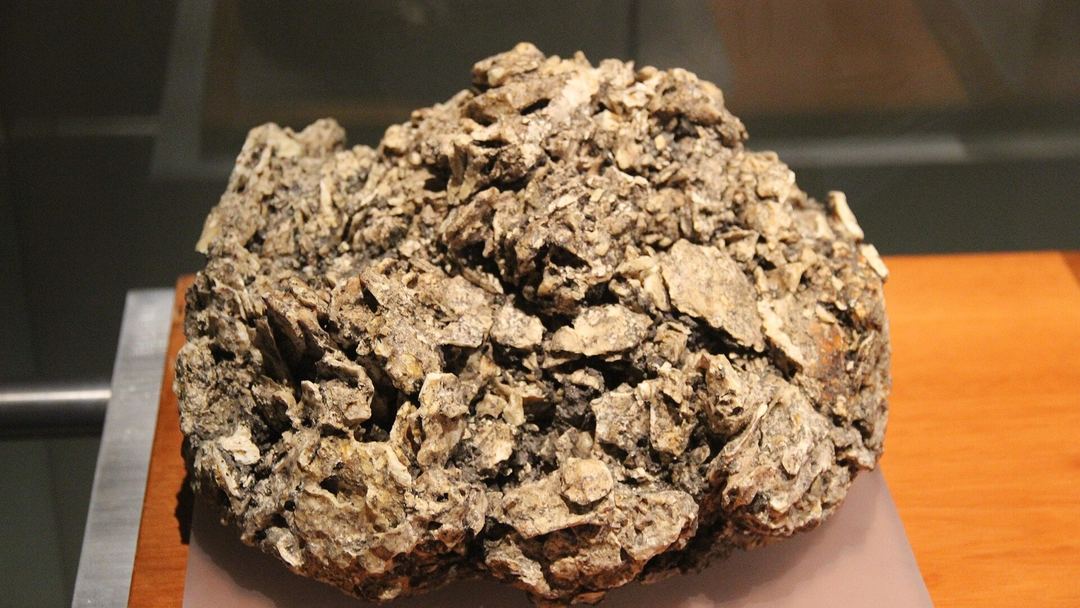
Rasa shastra and bhasma are metal medicines by design. Rasa shastra is a branch of Ayurveda that processes metals and minerals such as mercury, lead, gold and sulphur into ash-like powders called bhasmas. Practitioners say the processing makes them safe. In the Saper study, 40.6% of rasa shastra products contained metals, against 17.1% of other products. Watch for any bhasma, any "ras" or "rasa" compound, and names such as makaradhwaja on a label. If you cannot tell what is in it, do not swallow it.
"GMP" on the label does not prove safety. In the same study, 75% of the metal-containing products claimed Good Manufacturing Practices. Every one of them exceeded at least one standard for safe daily intake of toxic metals.
Real people have been poisoned. The CDC's MMWR reported six pregnant women in New York City, in 2011 to 2012, with lead poisoning linked to Ayurvedic medicines from India. In 2015 MMWR described a 64-year-old Wisconsin woman with lead poisoning and anaemia from Ayurvedic products bought online. That same year, Breeher and colleagues tested 115 people in a cluster of Ayurvedic medicine users and found that 40% had elevated blood lead.
Disease-cure advertising. India's Drugs and Magic Remedies Act bans adverts claiming to cure listed diseases. In 2024, during a Supreme Court case over Patanjali's misleading adverts, the Uttarakhand licensing authority suspended the manufacturing licences of 14 Patanjali and Divya Pharmacy products. In the United States, the FDA sent warning letters in May 2022 to two Ayurvedic sellers: Santhigram Kerala Ayurvedic Co. of U.S., over products marketed with claims to treat diseases including COVID-19, and Ayuryoga, over products marketed with claims to treat conditions such as diabetes, high blood pressure and arthritis.
"Ayurvedic doctor" titles abroad. Outside India, "Ayurvedic doctor" or "Dr." on a website may rest on a short online course. Ask where they trained, for how long, and whether they hold a BAMS degree or a NAMA board certification. Then check the answer.
Online pulse diagnosis. Nadi pariksha, pulse reading, is a real classical skill, but it cannot be done over a video call or through a questionnaire. Even in person, a 2013 study of Ayurvedic doctors examining the same patients found almost no agreement on pulse readings, a kappa score of 0.07, close to chance. A paid online "pulse consultation" that ends with a box of herbs is a sales funnel.
What a fair deal looks like. A single herb from a company that publishes batch results for lead, mercury, arsenic and cadmium, or carries a third-party seal such as USP Verified or NSF Certified. A practitioner who asks about your medicines and your doctor, starts with food and routine, and charges a clear consultation fee. At one long-running US school clinic, a consultation is listed at about $170.
How do I know if a product has been tested for heavy metals?
Ask for a certificate of analysis for the batch number on your bottle, from an independent lab, listing lead, mercury, arsenic and cadmium. A general claim of "tested" or "pure" is not enough. If a seller will not share it, buy elsewhere.
Should I get tested if I have taken Ayurvedic pills?
If you have taken Ayurvedic tablets or powders, especially any bhasma, and you feel unwell, ask your doctor for a blood lead test. Bring the products with you so the doctor can read the labels.
Are Ayurvedic products from India riskier than US-made ones?
Not according to the 2008 JAMA study. About 22% of US-made products and about 20% of Indian-made products contained detectable metals. Where a product is made matters less than whether each batch is independently tested.
How can you start Ayurveda this week without buying anything?
Begin with routine, not remedies. For the first seven days, keep fixed wake and sleep times, eat a warm cooked lunch as your main meal, drink warm water instead of iced drinks, take a short walk after meals, and oil your feet and scalp before bed. None of this needs a product, a practitioner or a quiz.
Here is one way to build it up across the week so it actually sticks.
Day 1. Set one wake time and one bedtime and keep them, weekend included. Write them on a note by your bed.
Day 2. Make lunch your largest meal. Eat it sitting down, without a screen, and stop before you feel stuffed.
Day 3. Swap cold drinks for warm water or herbal tea. Notice whether your digestion feels different by evening.
Day 4. Add tongue scraping and a glass of warm water first thing in the morning.
Day 5. Add ten minutes of movement in the morning and a ten-minute walk after dinner.
Day 6. Rub warm oil into your feet and scalp for five minutes before bed. Wear old socks.
Day 7. Look back. Which habit felt best? Keep that one for a month before adding more.
Once the basics hold, you can learn your dosha, try a full oil massage, or explore Ayurvedic herbs with a qualified practitioner. Herbalism for Beginners covers common herbs and their cautions, and the same caution applies to Ayurvedic herbs. If you ever consider a deeper clinic cleanse, read Panchakarma Cleanse first, because that is where both the claims and the risks get serious.
Ayurveda at its best is a way of paying attention to your own body, one ordinary day at a time. That part is free, and it is yours to keep.
Do I need to become vegetarian to follow Ayurveda?
No. Many Ayurvedic practitioners favour vegetarian food, but the Charaka Samhita itself recommends meat soups for some people, including in later pregnancy. Ayurveda cares more about how well you digest a food, and when you eat it, than about fixed rules.
Can I follow Ayurveda if I work night shifts?
Yes. Anchor the routine to your own waking time instead of sunrise, keep meal times as regular as your shifts allow, and protect your sleep with a dark, cool room. Consistency is the heart of it.
Questions people ask
Is Ayurveda real medicine?
In India, yes. It is an official system of medicine with its own degrees, hospitals and government ministry. In the United States and most Western countries it is a complementary practice with no state licence. NCCIH says some Ayurvedic preparations show promise for osteoarthritis and type 2 diabetes, but most trials are small, and there is little evidence for other uses.
Can Ayurveda replace my prescription medicine?
No. Use Ayurveda alongside medical care, never instead of it, and do not stop or reduce any prescribed medicine without talking to the doctor who prescribed it. Tell every doctor and pharmacist you see about any Ayurvedic herbs you take, because herbs can change how medicines work.
Are Ayurvedic medicines safe?
Some are and some are not. In a 2008 JAMA study, about one in five Ayurvedic products bought online contained lead, mercury or arsenic. Products made with metals on purpose, called rasa shastra or bhasma preparations, were the most likely to contain them. Choose single herbs with independent batch testing and avoid metal-based preparations.
Is Ayurveda safe during pregnancy?
The gentle routines, such as regular meals and regular sleep, suit most pregnancies. Ayurvedic pills and powders are a different matter. The CDC has reported lead poisoning in pregnant women in New York City who used Ayurvedic medicines from India. Take no Ayurvedic product while pregnant or breastfeeding unless your midwife or doctor agrees.
How do I start Ayurveda as a complete beginner?
Start with the daily routine: a fixed wake time, tongue scraping, a glass of warm water, gentle movement, a warm cooked lunch as your main meal and a light, early dinner. Add one habit a week. Learn your dosha later to fine-tune food and routine, and leave herbal products until you have a qualified practitioner and a tested product.
What does Ayurveda say to eat for breakfast?
Something warm, light and easy to digest, such as spiced porridge, stewed apples or pears, or a small savoury dish of rice or semolina. Ayurveda saves the largest meal for lunch, when digestion is said to be strongest, and keeps breakfast modest. Iced smoothies are the classic thing to avoid on cold mornings.
How old is Ayurveda really?
Its foundational books, the Charaka Samhita and the Sushruta Samhita, took shape roughly two thousand years ago, drawing on older traditions with roots in the Vedic period. Claims that Ayurveda is exactly 5,000 years old are marketing rather than history. It is still one of the oldest medical systems in use today.
What does today hold for you?
Pop in your birthday. Your reading shows up right here. No email, no account.
Related topics: ayurveda for beginners, what is ayurveda, what is ayurveda and how does it work, ayurvedic daily routine, ayurvedic daily routine dinacharya, is ayurveda safe, ayurveda diet, ayurveda meaning