Ear Seeds: Where to Place Them, How Long to Wear Them, What Works
By DailyDestiny Editorial Team
The short answer
Ear seeds are tiny seeds or pellets taped onto specific points of the outer ear and pressed several times a day, a form of auricular acupressure. People use them for stress, sleep, cravings and pain. Leave them on for three to five days and press each one for 15 to 30 seconds two or three times daily. Studies are mixed and mostly small.
Tiny seeds, a strip of tape and a promise of calmer nights. If you want to try ear seeds without wasting money or irritating your skin, here is where they go, how to wear them and what they can honestly do.
On this page
What are ear seeds, and what are they supposed to do?
Something brought you to ear seeds, maybe a friend's glittering ear or an acupuncturist's suggestion, and you want to know how to use them properly.
Perhaps you noticed tiny gold dots on a colleague's ear and assumed it was a new piercing. She laughed and said she presses them when meetings get tense. That night you looked at a chart covered in dozens of points and had no idea where to start.
The practice joins two traditions. Chinese medicine has long linked the ear with the rest of the body, and in the 1950s a French doctor, Paul Nogier, drew the detailed ear map most charts still use.
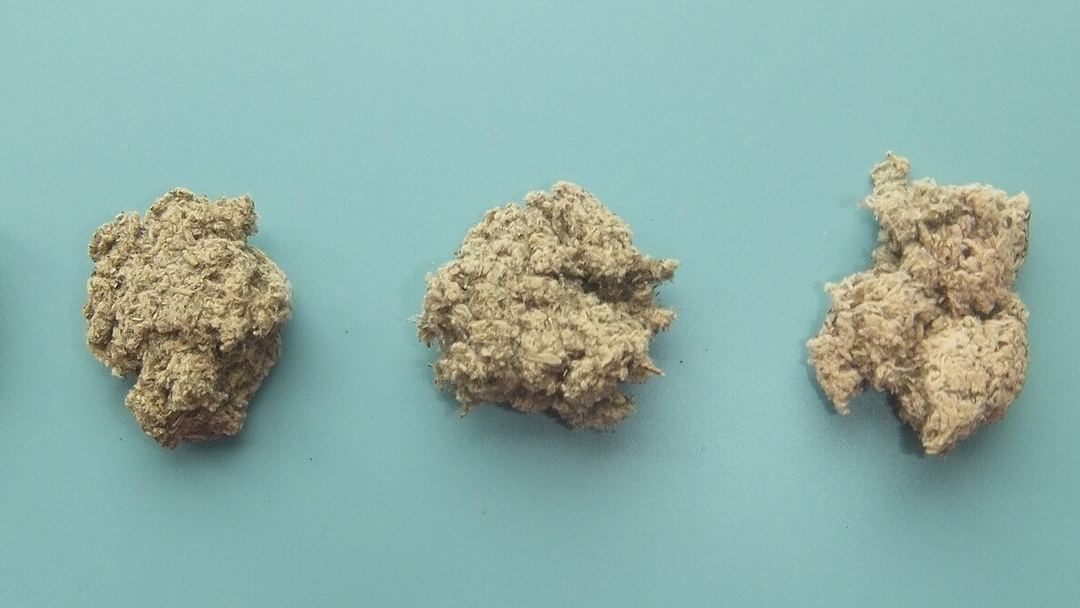
An ear seed is a small, firm object held against the skin by a square of tape. The traditional seed comes from the Vaccaria plant, also called cowherb, and is a small, round, black seed that fits neatly into the folds of the ear. Pressing it stimulates the point beneath it.
The idea behind it is that the outer ear holds a map of the whole body. Pressing the area that matches the stomach, for example, is said to influence digestion. This is a traditional and modern theory rather than established anatomy.
Ear seeds are popular because they are cheap, painless, discreet and need no needles. They are often given by acupuncturists after a session so the effect "keeps going" at home. You can also place them yourself with a little care.
If you want to work on points elsewhere on the body, such as the hands and wrists, our sibling guide Acupressure Points covers those in detail.
How are ear seeds supposed to work?
In Chinese medicine theory, ear points connect to the body's channels and organs. Modern researchers have suggested the ear's nerve supply, including a branch of the vagus nerve, as a possible pathway. Neither explanation has been proven, and some of the benefit people feel may come from the calming ritual of pressing.
Do ear seeds hurt?
They should not. Pressing a seed gives a mild, dull tenderness, a bit like pressing a bruise lightly. Sharp pain, burning or a sore that does not fade means the seed should come off.
Who should avoid ear seeds or check with a doctor first?
Ear seeds are low risk, but skip them on broken, infected or inflamed skin, and check with a doctor or licensed acupuncturist first if you are pregnant, have diabetes or poor healing, a bleeding disorder, an allergy to adhesive tape, or an ear condition such as eczema or psoriasis on the ear.
A systematic review of side effects from ear therapies found that seeds and pellets mostly caused mild, short-lived problems such as skin irritation, tenderness and occasional dizziness, with no serious events identified.
Pregnancy. Some practitioners avoid certain ear points in pregnancy, and there is little research on ear seeds during pregnancy. Ask your midwife or a licensed acupuncturist trained in pregnancy care before you start.
Diabetes and slow healing. If your skin heals slowly, even a small pressure mark can become a sore. Check the skin daily and remove seeds at the first sign of redness.
Skin and adhesive problems. If you react to plasters or medical tape, test one seed behind your ear for a day first. Never place seeds over a cut, spot, piercing hole, eczema patch or scar that is still healing.
Ear piercings. Keep seeds away from fresh piercings, especially cartilage piercings, which can become infected.
Children. Seeds are a choking risk if they fall off. Do not use them on small children.
Keep your treatment. Ear seeds are a gentle add-on. Do not stop or change any medicine, or delay seeing a doctor for new or worsening symptoms, because you are using ear seeds.
What does an allergic reaction to ear seeds look like?
Itching, redness in the shape of the tape square, small bumps or weeping skin. Remove all the seeds, wash the area gently with mild soap and water, and let it heal fully before trying a different tape or hypoallergenic brand.
Can ear seeds cause dizziness?
Occasionally, according to the review of side effects. If you feel dizzy or faint after pressing, sit down, stop pressing and remove the seeds if it continues. Dizziness that does not settle needs a medical check.
Where did the ear seed map really come from?
The detailed ear map on most charts comes from French physician Paul Nogier, who presented it in the 1950s and described the ear as an upside-down fetus, head at the lobe and feet at the top. Chinese practitioners adopted and expanded his map, blending it with older Chinese ideas about the ear. So ear seed charts are a modern blend of two traditions.
The older Chinese layer. Classical Chinese medicine texts describe the ear as connected to the body's channels, and folk practice included treating ear points. These early ideas did not include a full, point-by-point body map.
Nogier's map. Paul Nogier, a doctor in Lyon, became curious after noticing small burn scars on some patients' ears, reportedly left by a local healer treating sciatica. He studied the ear and presented a map in 1956 and 1957 in which the ear mirrors an inverted fetus. The lobe matches the head and face, the outer ridges the spine and limbs, and the inner hollow the internal organs. His work was translated and published in a German acupuncture journal in 1957, which carried it abroad.
Chinese adoption. Chinese researchers took up Nogier's map and built on it with their own clinical points. That is why Chinese and European charts look similar overall but differ in many details.
Attempts to standardize. In 1990 the World Health Organization convened a working group in Lyon to agree on international names for ear points. Its results were limited, and China published its own national standard in 1993. Charts still differ today, which is why two charts may put the same point in slightly different places.
The practical lesson: use one chart consistently, and search for tender spots in the area it shows rather than treating any single dot as exact.
Is auriculotherapy a traditional Chinese practice?
Partly. The idea of treating the ear is old in China, but the detailed body map used in modern auriculotherapy comes mostly from Nogier's 1950s work, later combined with Chinese points. Calling the whole system ancient Chinese medicine is not accurate.
Why do ear seed charts disagree?
Because there are several schools, mainly the French tradition from Nogier and the Chinese tradition, and international efforts to standardize the points never fully succeeded. Pick a clear chart from a reputable acupuncture source and stick to it.
How do you read an ear seed chart without getting lost?
Learn six landmarks first: the helix (outer rim), the antihelix (inner ridge), the triangular fossa (small hollow at the top), the concha (bowl around the ear canal), the tragus (flap in front of the canal) and the lobe. Every chart labels points by these zones. Once you can find them on your own ear, any chart becomes readable.
Use a hand mirror and good light, or take a clear photo of your ear and compare it side by side with the chart.
The upside-down body. Most charts follow Nogier's inverted-fetus layout. Picture a baby curled upside down in your ear. The lobe holds the head, face, eyes and teeth points. The antihelix, the Y-shaped ridge inside the rim, holds the spine, with the lower part for the neck and the upper branches for the hips, knees and feet. The scapha, the groove between the rim and the antihelix, holds the arm and hand points.
The organ zones. The concha, the deep bowl around the ear canal, holds most internal organ points. Its upper part, above the ridge that crosses it, is linked with the stomach, intestines, liver and kidney. Its lower part, around the canal opening, is linked with the lungs and heart.
The calming zone. The triangular fossa, the small three-sided hollow near the top of the ear, holds Shen Men, the most widely used point.
How to use the chart. Step 1. Find the zone on the chart. Step 2. Find the same landmark on your own ear in the mirror. Step 3. Gently press around that area with the rounded tip of a hairpin, a cotton bud or an ear probe. Step 4. Notice which tiny spot feels slightly more tender than the skin around it. That tender spot is where practitioners would place a seed.
Are left ear and right ear charts different?
They are mirror images. The same zones appear on both ears, so a chart drawn for the right ear works for the left if you flip it in your mind. Some charts show both ears side by side.
What is an ear probe, and do you need one?
It is a thin tool with a small rounded tip for finding tender points. It helps, but the rounded end of a hairpin or a cotton bud works well enough for home use. Never use anything sharp.
Which ear points do people use most, and where are they?
The most used points are Shen Men in the triangular fossa for stress and sleep, Point Zero at the root of the rim for overall balance, and Sympathetic on the inner edge of the upper ridge for relaxation. For cravings and digestion, people use the Stomach and Hunger points. For sleep and anxiety, a simple starting set is Shen Men, Point Zero and one tender spot in the lower concha.
Start with two or three points. More seeds do not mean more effect.
Shen Men ("spirit gate"). In the upper part of the triangular fossa, the hollow near the top of the ear, slightly towards its upper inner corner. It is the classic calming point and appears in almost every protocol.
Point Zero. On the helix root, where the outer rim curves inward and fades into the bowl of the ear, just above the ear canal. Nogier treated it as a centre point for overall balance. You can feel it as a small notch where the rim meets the concha.
Sympathetic. Where the lower branch of the antihelix meets the inner edge of the rim, partly hidden under the fold. It is used for relaxation and pain.
Stomach. In the concha, just where the helix root ends. It is used for digestion, and in weight-loss protocols for appetite.
Hunger. On the front of the tragus, the small flap in front of the ear canal. It appears in many weight-loss charts.
Lung, Kidney and Liver. Lung lies in the lower concha around the ear canal. Kidney and Liver lie in the upper concha. These three, with Shen Men and Sympathetic, form the five-point NADA protocol.
The NADA protocol. In the 1970s, Dr Michael Smith at Lincoln Hospital in the South Bronx developed a five-point ear acupuncture protocol for addiction treatment, and in 1985 he and others founded the National Acupuncture Detoxification Association to teach it. It is still used in some addiction and trauma programs, often with ear seeds between sessions. Critics note that controlled trials have not shown that it helps addiction outcomes, though many people find it calming.
Where do you put ear seeds for anxiety?
A common placement is Shen Men in the triangular fossa, Point Zero at the helix root, and Sympathetic under the upper ridge. Some people add the Heart area in the lower concha. Press them when you feel anxious and at bedtime.
Where do you put ear seeds for sleep?
Shen Men is the main sleep point, often paired with Point Zero and a tender spot on the lobe that charts label for insomnia. Press them for 30 seconds about an hour before bed and again as you lie down.
Where do you put ear seeds for headaches?
Charts place head and face points on the lobe, so practitioners search the lobe for tender spots and often add Shen Men. If headaches are new, severe or changing, see a doctor before trying ear seeds.
How do you apply ear seeds so they stay on?
Clean the ear with an alcohol wipe, let it dry, find the tender spot with a probe, then lift a seed with tweezers and press the tape down firmly over the point. Press the seed once to check you feel mild tenderness. Place two or three seeds on one ear only.
The whole thing takes about five minutes once you have done it twice.
What you need. A pack of ear seeds, an alcohol wipe or cotton pad with rubbing alcohol, tweezers, a hand mirror or a second person, and a probe or rounded hairpin.
Step 1. Choose your points. Decide on two or three, for example Shen Men and Point Zero for stress.
Step 2. Clean the skin. Wipe the outer ear with alcohol to remove oil and let it dry fully. Tape will not hold on oily skin.
Step 3. Find the exact spot. Press gently around the zone with your probe until you find a spot that feels a little more tender or sensitive. Some people mark it with a dot of washable pen.
Step 4. Lift the seed. Use tweezers to peel one seed off the backing by the edge of its tape. Try not to touch the sticky side with your fingers.
Step 5. Place and press. Put the seed on the spot and press the tape down all around with your fingertip so the edges seal.
Step 6. Test it. Press the seed for a few seconds. You should feel a mild, dull ache. If you feel nothing, it may be slightly off the point. Move it a few millimetres.
Common mistakes. Using too many seeds. Placing seeds over hair or oily skin so they fall off within hours. Putting a seed inside the ear canal, which you should never do. Pressing with a fingernail, which can bruise or break the skin.
Can you put ear seeds on yourself?
Yes, with a mirror and tweezers, though the triangular fossa and the inner ridge are fiddly. Many people get their first set placed by an acupuncturist, take a photo, and copy the placement at home.
What if ear seeds keep falling off?
Clean the skin with alcohol and let it dry completely, avoid applying lotion to the ears, and press the tape edges firmly. Seeds in deep folds stick better than those on the rim. If they still fall off, try a brand with stronger tape.
How long do you wear ear seeds, and how often do you press them?
Wear them for three to five days, pressing each seed for 15 to 30 seconds two or three times a day and whenever your symptom flares. Then take them off, let the skin rest for a day or two, and place a fresh set on the other ear.
The pressure should give a mild, dull ache, never a sharp pain.
A simple weekly rhythm. Days 1 to 4: seeds on the right ear, pressed morning, midday and bedtime. Day 5: remove them, wash the ear and let it breathe. Days 6 to 9: seeds on the left ear. Repeat for two to four rounds, then decide whether they are helping.
How to press. Use the pad of your finger or thumb, not a nail. Press straight down, or press and make tiny circles. Count slowly to 15 or 30. Breathe out slowly while you press, which many people find adds to the calming effect.
How to remove them. Lift the tape edge with a fingernail or tweezers and peel slowly. Clean any leftover adhesive with a little oil or soap and water. Throw the used seeds away, because they are single use.
What it should feel like over the days. Tenderness at the point often fades a little after the first day or two. Mild redness that disappears within an hour of removal is common. Itching, spreading redness or soreness means the seeds should come off early.
Keep notes. Write down your sleep, anxiety or cravings on a scale of one to ten each day. After two or three rounds, you will know whether ear seeds help you, which is more useful than any chart.
Can you leave ear seeds in for a week?
Some sources allow up to seven days, but most practitioners suggest no more than five. After that, the tape loosens and moisture and skin oil build up under it, which raises the chance of irritation. Shorter rounds with rest days are kinder to the skin.
Can you reuse ear seeds?
No. Once removed, the tape loses its stick and the seed has been against your skin for days. Reusing them is unhygienic and they will not stay on. Use a fresh seed every time.
Which ear seed claims and products are a rip-off?
The biggest rip-offs are ear seeds sold as a weight-loss fix, "detox" claims, gold-plated or crystal seeds marked up as more powerful, practitioners who claim to diagnose disease from your ear, and daith piercings sold as a migraine cure. Plain Vaccaria seeds placed on the right points do everything any ear seed can do.
Here is what each trap looks like, so you can spend your money wisely.
Weight-loss promises. "Ear seeds for weight loss" is one of the most searched phrases, and some sellers promise you will drop sizes without dieting. The evidence does not support that. A small trial published in 2010 found that Vaccaria seeds and magnetic pellets lowered body mass index a little in overweight young people over eight weeks, but blood fat levels did not change. Other trials are small, and critics such as Edzard Ernst have questioned how well they were blinded. At best, pressing a seed when a craving hits may help some people pause. It is not a diet.
"Detox" claims. Some products and practitioners say ear seeds pull toxins from your body or cleanse your liver. There is no evidence for this. Your liver and kidneys clear waste, and no tape on your ear changes that.
Gold, crystal and magnetic seeds at a markup. Gold-plated and crystal ear seeds are pretty, and that is a fine reason to buy them. But they are often sold at many times the price of Vaccaria seeds with claims of "stronger energy" or "higher vibration". No study shows that the material makes a difference. What matters is the point and the pressing.
Ear "diagnosis". Some practitioners claim they can read your ear to diagnose diseases from heart problems to cancer, then sell a treatment package. Using the ear to find tender points for treatment is part of the tradition, but there is no reliable evidence that ear readings can replace medical tests. A diagnosis from your ear is never a reason to skip a doctor or start an expensive program.
Daith piercings for migraine. The daith piercing passes through the inner fold of cartilage above the ear canal, and it has been promoted as permanent acupressure for migraines. There are no controlled trials showing it works. The Migraine Trust in the UK has said there is no evidence for it, and a 2017 case report concluded it cannot be recommended because of the lack of evidence and the risks. Cartilage piercings can become infected and take months to heal.
Hygiene shortcuts. Seeds sold loose without sealed packaging, seeds placed without cleaning the skin, and practitioners who reuse probes without cleaning them all raise the risk of skin infection. Semi-permanent ear press needles, which do break the skin, should only be placed by a licensed acupuncturist.
Weekend "auriculotherapy certifications". Short online courses sell auriculotherapy certificates that carry no regulated standing. In the US, look for a licensed acupuncturist, often certified by the NCCAOM and licensed by the state. In the UK, check that a practitioner belongs to a professional register such as the British Acupuncture Council.
Are magnetic ear seeds better than Vaccaria seeds?
There is no good evidence that magnets add anything. In the small 2010 weight trial, Vaccaria seeds did at least as well as magnetic pellets. Avoid magnetic pellets entirely if you have a pacemaker or other implanted electronic device, unless your doctor agrees.
What should ear seeds cost?
Plain Vaccaria seeds are inexpensive, often sold in packs of hundreds for about the price of a coffee and a snack. Decorative crystal and gold-plated seeds cost much more for far fewer. Pay extra for looks if you like, never for promised power.
Do ear seeds actually work, and what should you try if they do nothing?
The evidence is mixed. Reviews of ear acupressure for insomnia find some benefit, but most of the studies are small and of low quality. For many people, ear seeds are a cheap, low-risk tool worth a two to four week trial, especially for stress and sleep.
If nothing changes after a few rounds, stop paying for more seeds and try something with stronger evidence for your problem.
Sleep. A 2015 meta-analysis of 15 studies found that ear acupressure with seeds or pellets improved sleep scores compared with control groups, but the authors said poor study quality, small samples and possible publication bias meant the evidence was not strong enough to firmly support it. A 2020 overview of systematic reviews on ear therapy for insomnia rated only one of 17 outcomes as high quality.
Pain, anxiety and other uses. Small studies report benefits for anxiety before surgery, some pain conditions and cravings. Results vary, and many trials lack a convincing sham group.
Why some people feel a real effect. Pressing a point while breathing slowly is a small, repeatable calming ritual, and that may be part of the benefit. That still counts. You do not need to believe in an ear map to enjoy a moment of calm.
If ear seeds do nothing for you. Check placement first: were the points tender, and did you press two or three times a day? Give it at least two rounds. If there is still no change, try a different approach. For sleep, steady sleep habits and a wind-down routine have good evidence. For stress, slow breathing practices such as those in our sibling guide Pranayama can help. For pain, a licensed acupuncturist or a physiotherapist can assess you properly.
When to see a doctor. Persistent insomnia, anxiety that interferes with daily life, new pain, or unexplained weight change all deserve a medical check, whatever else you try.
How quickly should ear seeds work?
Some people feel calmer within minutes of pressing, which is likely the relaxation effect. For sleep or cravings, give it two to four weeks of consistent rounds before you judge. Keep a simple daily score so you can compare honestly.
Is it worth seeing an acupuncturist instead of using ear seeds at home?
If you want a proper assessment or needle-based treatment, yes. A licensed acupuncturist can find points accurately, check whether ear therapy suits you, and show you where to place seeds yourself between visits.
Questions people ask
How long should you leave ear seeds on?
Most practitioners suggest three to five days, then removing them and giving the skin a day or two of rest. Take them off sooner if the skin turns red, itchy, sore or broken. Leaving seeds on longer than about five days tends to trap moisture and oil under the tape, which irritates the skin.
How often should you press ear seeds?
Press each seed for about 15 to 30 seconds, two or three times a day, and also whenever you feel the symptom you are working on, such as a wave of anxiety. Use firm pressure that gives a mild dull ache, never sharp pain. Pressing harder does not make them work better.
Can you shower and sleep with ear seeds on?
Yes. Most ear seed tape is water resistant, so you can shower normally and pat your ears dry afterwards. Sleeping on them can be uncomfortable and the friction can irritate the skin, so many people seed only the ear they do not sleep on.
Which ear should you put ear seeds on?
Either ear works, and traditions differ on which side to use. A simple approach is to seed one ear for three to five days, then switch to the other ear for the next round. This gives each ear time to rest and lowers the chance of skin irritation.
Are ear seeds the same as acupuncture?
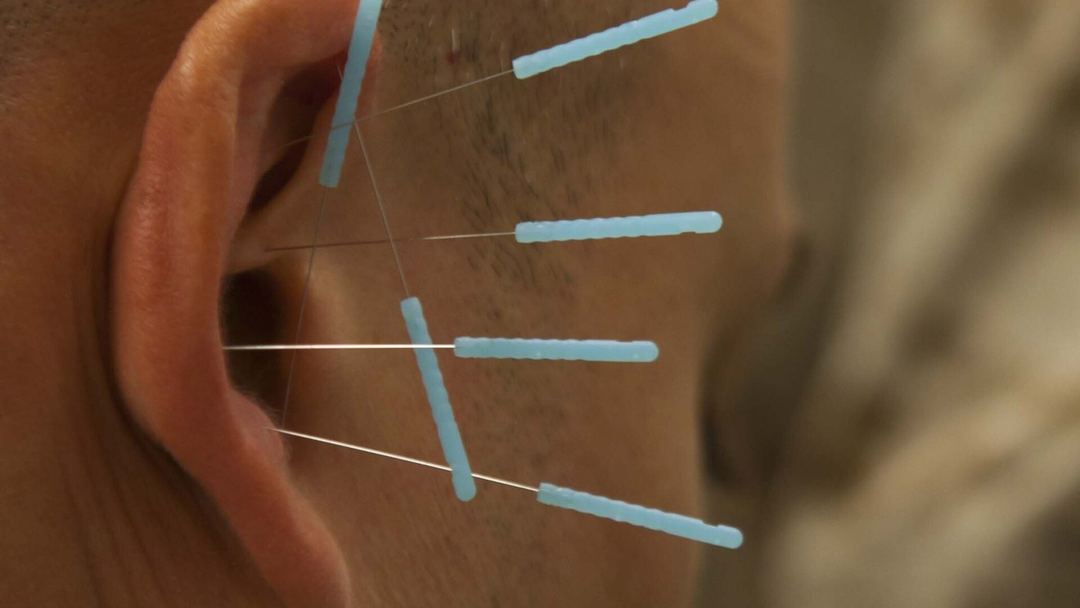
No. Ear seeds press on ear points from the surface and never break the skin. Ear acupuncture uses fine needles and should only be done by a licensed practitioner. Ear seeds are often used between acupuncture sessions to keep stimulating the same points at home.
Do ear seeds work for anxiety?
Some small studies suggest auricular acupressure may ease anxiety and help sleep, and many people find pressing a seed a calming habit. The evidence is limited and often low quality. Ear seeds are safe to try alongside proper care, but they are not a treatment for an anxiety disorder.
What are ear seeds made of?
Traditional ear seeds are Vaccaria seeds, small round black seeds from the cowherb plant, stuck on squares of tape. Other versions use small metal pellets, magnetic pellets, or crystal or gold-plated studs. The material matters far less than placing them on the right point and pressing them.
What does today hold for you?
Pop in your birthday. Your reading shows up right here. No email, no account.
Related topics: ear seeds, ear seeds chart, ear seeds how to use, ear seeds how long to leave on, ear seeds for anxiety, ear seeds for sleep, ear seeds for weight loss, ear seeds anxiety placement, ear seeding benefits