How to Cleanse Tarot Cards: Safe Methods for a New or Well-Used Deck
By DailyDestiny Editorial Team
The short answer
Cleansing tarot cards is a short ritual to reset a deck, done when it is new, after an intense reading, or when it has been handled by others. Safe methods include knocking, shuffling with intention, sorting the cards into order, incense smoke held at a distance, moonlight indoors, and a crystal on top. Avoid water, sprays, direct salt and long sun, because the cards are paper.
If your readings have started to feel muddy, or you just unwrapped a new deck and want to start it right, here is how to cleanse tarot cards with incense, moonlight, salt, crystals or nothing at all, without warping, staining or fading the cards you love.
On this page
What does it mean to cleanse tarot cards, and do you really need to?
Since you are here, you already treat your tarot deck as more than a pack of printed cards, and you want to look after it properly. That care is exactly what this guide is built for.
Imagine you just finished a reading for a friend in a hard place. The cards felt heavy in your hands, the spread was full of swords, and now the deck seems to sit there differently. Or maybe a brand new deck has just arrived and you want to start it on the right foot.
In tarot practice, a deck is often described as picking up the mood of the readings it is used for and the hands that touch it. Cleansing is the way readers clear that before they start again.
Nobody is required to do it. Some readers never cleanse, and their readings are none the worse. Others find that a small ritual helps them leave one reading behind before starting the next, the way a musician tunes up before playing.
It helps to be honest about what a cleanse is and is not. There is no scientific evidence that a deck stores energy, and nothing measurable changes in the card stock when you knock on it. What does change is you. A cleanse marks a boundary between one reading and the next, slows you down, and puts your attention back on the cards.
That is why the method matters far less than the intention. Every method in this guide works the same way at heart: you stop, you handle the cards with care, and you decide that the deck is ready again.
The practical side matters just as much. A tarot deck is printed card stock, often with a coated finish and sometimes with gilded or painted edges. Many of the cleansing ideas that work well for stones or rooms will warp, stain or fade paper. The aim is a deck that feels fresh and still looks good in ten years.
What are the signs a tarot deck needs cleansing?
Readers usually describe it as a feeling rather than a rule. Readings stop making sense, the same card keeps jumping out in every spread, the cards feel sticky or reluctant to shuffle, or you simply do not want to pick the deck up.
Some of that is practical too. Cards that clump together often just need a good riffle or a gentle wipe with a dry cloth.
Is cleansing the same as charging a tarot deck?
Not quite. Cleansing clears what the deck is said to have picked up. Charging, or consecrating, sets an intention for the deck afterwards, for example by holding it and stating how you want to use it, or by placing it beside a candle or crystal.
Many readers do both in one sitting: clear first, then set the intention.
Do oracle cards need cleansing in the same way?
The same methods apply, because oracle decks are the same material. Some oracle decks have thinner card or a matte finish that marks more easily, so the no-water and no-salt-contact rules matter even more.
How do you cleanse a new tarot deck?
A new deck is the one most people want to cleanse, and it is the easiest. A simple welcome ritual takes about twenty minutes and does a practical job at the same time.
1. Open it somewhere calm. Clear a table, wash and dry your hands, and take the shrink wrap off.
2. Go through every card, one at a time. Look at each picture properly before you move on. This is the oldest bonding exercise in tarot, and it also lets you check that all 78 cards are there and none is misprinted while you can still return the deck.
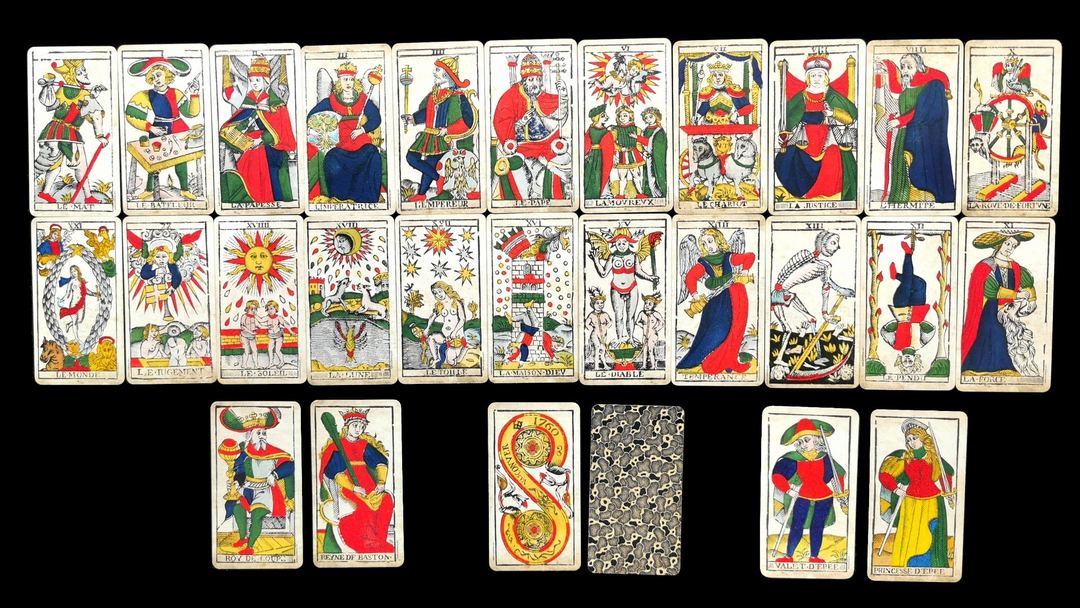
3. Put the cards in order. Lay the Major Arcana from The Fool to The World, then each suit from Ace to King. Many readers treat this ordering as a cleanse in itself, a fresh start before the first shuffle.
4. Shuffle thoroughly. New cards are stiff and often slightly sticky from the factory coating. A few dozen gentle shuffles loosen them and mix the order.
5. Choose one clearing gesture. Knock on the deck, pass it through a little incense smoke, or leave it under a crystal overnight.
6. Ask the deck a first question. Many readers draw one card and ask what the deck has to teach them.
The deck interview is a popular way to finish. You lay out a small spread with questions such as: what is your strongest quality, what will you help me learn, and what are the limits of our work together? It turns the first meeting into a conversation, and it shows you how the deck speaks before you read for anyone else.
If you are new to reading, the step-by-step guide How to Do Tarot Readings for Yourself walks through first spreads. For the bigger cards, Major Arcana Tarot Cards covers all 22, from The Fool to The World.
Some readers sleep with a new deck under their pillow for a night or carry it with them for a week. The idea is to let the deck get used to you. On a practical level, it simply means you handle it often, which is the fastest way to learn the pictures.
Should you cleanse a second-hand tarot deck?
Most readers do, since a used deck is said to carry its last owner's readings. Go through every card, put the deck in order, and use whichever clearing method suits you.
Check used cards for practical problems too: bent corners, sticky patches and missing cards. A soft dry cloth removes most surface grime.
What about a deck that belonged to someone who died?
Many people keep an inherited deck as it is for a while, because it holds the memory of the person. When you feel ready to read with it, a gentle cleanse with a few words of thanks to its first owner is a common way to begin.
How do you cleanse tarot cards without tools?
You do not need to buy anything. The no-tool methods are the ones professional readers use most, because they work between clients in a few seconds.
Knocking. Hold the deck in one hand and knock on the top of it with your knuckles, usually three times. Readers describe it as waking the deck up and shaking off the last reading.
Shuffling with intention. Shuffle slowly while holding a clear thought, such as "this deck is clear and ready". This is the most common method there is.
Breath. Fan the deck slightly and blow one steady breath across it, picturing the old reading leaving with the air.
Sorting into order. Put the deck back into its numbered order. It takes longer, which is the point: you touch every card.
Visualisation. Hold the deck in both hands and picture clear light running through it from top to bottom, or a gentle rain washing each card.
Sound. Clap once over the deck, or ring a bell or singing bowl nearby if you have one.
Which one should you choose? Pick the one that feels like a real full stop for you. If you are a visual person, the light or rain image will feel natural. If you like to keep your hands busy, sorting into order may suit you better. Readers who read for clients often use a quick knock between readings and save a slower method for the end of the day.
These methods have another advantage: they are safe for every deck, including antique, hand-painted and gilded ones. Nothing touches the cards except your hands.
If you work with stones as well, it can help to know the difference between cleansing a deck and cleansing crystals. Stones have their own rules about water, salt and sun, and the reasons are different.
Why do readers knock on the deck three times?
There is no single documented origin. Three is a meaningful number in many traditions, and a knock is a natural way to mark a change, like knocking before you enter a room. Some readers knock once, some tap the deck on the table, and some knock seven times. Choose what feels right and stay consistent.
How do you cleanse tarot cards between readings?
Use something quick: a knock, a short shuffle with a clear thought, or a breath across the deck. Some readers also return any cards that came up reversed to upright, so the next reading starts from a neutral deck.
How do you cleanse tarot cards with incense or sage?
Smoke is the classic method, and the one most people picture. It works well as long as you keep the cards a little distance from the heat.
1. Open a window before you light anything.
2. Light your incense stick, cone or herb bundle in a heatproof dish. Let a bundle catch, then blow out the flame so it smoulders.
3. Hold the deck about a hand's width above the smoke, never in the flame or right on the glowing tip. Fan the cards slightly so the smoke moves between them.
4. Turn the deck over and repeat, for about thirty seconds in total. Some readers pass each card through the smoke one at a time for a deeper cleanse.
5. Put the incense out fully and let the cards air for a few minutes before you put them away.
Choose any scent you like. Garden sage, rosemary, lavender, frankincense and sandalwood are all popular. White sage is the scent many people think of first, but it comes with sourcing and ethical questions, which the guide Smudging and Space Clearing explains, along with local alternatives.
A few practical points save your cards. Smoke leaves a very fine residue, so a deck cleansed with heavy smoke every day can slowly darken and pick up a scent. A short pass is enough. Ash and glowing bits from herb bundles can scorch the card surface, so hold the deck above and to the side, not directly over the dish. Gilded and foiled edges can discolour if they get hot.
Smoke also has to be safe for the people and animals around you. Anyone with asthma or another breathing condition may find indoor smoke hard, and birds are especially sensitive to airborne smoke, so move them right out of the area. Never leave burning incense unattended, and keep it away from curtains, paper and the deck box.
If smoke is not an option where you live, every method in the no-tools section does the same ritual job, and How to Cleanse Energy Without Sage covers more smoke-free ideas.
Can you use a candle to cleanse tarot cards?
Yes, as a focus rather than a heat source. Readers light a white candle beside the deck and let it burn while they shuffle or sort the cards. Never pass cards through or over a candle flame, because card stock catches quickly. Keep the deck well clear and blow the candle out before you leave the room.
Can you spray tarot cards with Florida Water or a cleansing spray?
Do not spray the cards. Most cleansing sprays are water or alcohol based, and both can warp card stock, lift printing ink and leave water marks. If you love a spray, mist the air of the room, wait for it to settle, and then shuffle the deck in the freshened space.
Is it safe to cleanse tarot cards with salt, moonlight or crystals?
Yes, with some care, because each of these can damage paper if you use it the way you would for a room or a stone.
Salt. Salt draws moisture out of the air, so salt sitting directly on cards can leave them damp, rippled or gritty. Seal the deck in a zip bag or wrap it in a cloth first. Then bury the wrapped deck in a bowl of dry salt, or set it in the middle of a ring of salt, for one night. Throw the salt away afterwards, outside your home, and do not reuse it. In a humid climate or a damp room, skip salt altogether.
Moonlight. Set the deck on an indoor windowsill on a full moon night, the most common timing for a moon cleanse. If you put it outside, keep it in its box or a bag, because dew can settle on the cards by morning. Bring it in early, since strong sunlight fades printing inks over time.
Crystals. Place a crystal on top of the deck or the deck on a crystal slab overnight. Clear quartz, selenite, amethyst and black tourmaline are the usual choices. Selenite is popular because practitioners describe it as a stone that clears other things, as the guide Selenite Crystal explains.
With crystals, watch for scratches. A rough point or tumbled stone with a sharp edge can mark the top card, so set a cloth between them or rest the deck on a smooth flat slab instead.
Some stones are said to need their own cleansing after they have cleared something else. Readers who use a crystal on their deck often cleanse the crystal afterwards in whatever way suits that stone. Clear Quartz Crystal and similar guides cover which methods suit which stones, since some cannot go in water or sun.
You can combine methods. A common full cleanse is: sort the deck into order, pass it through a little smoke, then leave it under a crystal on the windowsill overnight. That covers most traditions at once, and nothing in it can damage the cards.
Can tarot cards go in direct sunlight to cleanse them?
A short spell is fine, but repeated or long sun exposure fades colours, especially reds and blues, and can make card edges curl. If you want a sun cleanse, a few minutes in morning light is plenty. Moonlight indoors is the gentler choice for paper.
Can you store tarot cards with salt or herbs in the box?
Leave loose salt out of the box for the reasons above. A small, sealed sachet of dried lavender or a bay leaf is a common addition, but keep it from touching the cards directly, and never add essential oil, which leaves greasy marks on card stock.
What damages tarot cards during a cleanse?
If you remember one thing from this guide, make it this: the deck is paper. Most damage comes from treating it like a crystal or a room.
Water of any kind. Bowls of water, moon water, holy water and sprays all warp cards and can lift ink.
Salt on bare cards. It pulls in moisture and can scratch coated surfaces.
Long sun. It fades the pictures and dries out the card.
Heat. Holding cards right over a flame, a hot incense tip, or a radiator can scorch or curl them.
Oils. Essential oils, anointing oils and hand cream leave marks that do not come out.
Heavy smoke every day. It slowly darkens the cards and leaves a residue that makes them stick.
Dirty or damp hands. Simple hand washing before a reading does more to keep a deck fresh than any ritual.
If a deck does get damp, spread the cards out on a dry towel, out of the sun, and let them dry completely. Then stack them under a few heavy books for a day or two to flatten them. Slightly bent cards often recover this way.
For everyday care, store the deck in its box, a wooden box or a cloth bag, away from bathrooms and kitchens where steam and grease collect. Many readers wrap their deck in silk or cotton, partly as protection and partly because it feels respectful.
A deck that is looked after will last for years and wear in beautifully. The soft edges of a much-used deck are something many readers love, and they come from use, not from damage.
How often should you cleanse tarot cards, and does it actually do anything?
Let the deck and your readings set the timing, not a calendar.
Between readings: a quick knock, shuffle or breath.
After a heavy reading: a fuller cleanse, such as smoke or sorting into order.
After someone else handles the deck: many readers cleanse it, though plenty of readers let clients shuffle and never worry.
When it is new or second-hand: a welcome cleanse as described above.
On a rhythm: if you read daily, a weekly reset or one at each new or full moon keeps it simple.
If you notice yourself cleansing again and again because a reading frightened you, pause. That urge is usually about the reading, not the deck. Put the cards down, take a walk, and come back to the question later with fresh eyes.
So does cleansing do anything? There is no scientific evidence that cards hold energy or that any of these methods changes the deck. What a cleanse reliably does is give you a moment between readings, put your attention back on the cards, and help you approach the next spread with a clear head. For a practice that depends on how you look and listen, that is worth having.
Many experienced readers end up with a very simple routine: a knock between readings, a smoke or moonlight cleanse now and then, and a deck kept clean, dry and wrapped. You do not need more than that.
Once your deck feels ready again, the meanings are the next step. The Major Arcana guide and the individual card pages on this site cover every card upright and reversed, so you can spend your energy on reading rather than worrying about the deck.
Should you let other people touch your tarot cards?
It is a personal choice. Some readers feel strongly that only they should handle the deck, and keep a separate deck for clients to shuffle. Others ask the person to shuffle because it involves them in the reading. If others do touch it, a quick cleanse afterwards is the usual compromise.
Can you cleanse your whole reading space at the same time?
Yes. Many readers clear the room as well as the deck before a session, with an open window, a little smoke or sound, and a tidy table. The steps in How to Cleanse Your Home of Negative Energy work on a smaller scale for a reading corner.
Questions people ask
Do you have to cleanse a new tarot deck before using it?
No. Cleansing is a custom, not a rule, and plenty of experienced readers shuffle a new deck and start reading the same day. Many do like a short welcome ritual, though: going through every card once in order, shuffling it thoroughly, and either knocking on it or passing it through a little incense smoke. The practical bonus is that going through each card also catches misprints or missing cards while you can still return the deck.
How do you cleanse tarot cards without tools?
Knock on the deck three times with your knuckles, shuffle it slowly while thinking of a clean start, or blow gently across the top card. Another favourite is sorting the whole deck back into order, Major Arcana from The Fool to The World and then each suit from Ace to King. All of these cost nothing, are safe for any card stock, and work anywhere, including on a bus between readings.
Can you put salt directly on tarot cards?
It is best not to. Salt draws moisture from the air, so salt sitting on paper cards can leave them damp, rippled or gritty, and coarse grains can scratch the finish. If you want to use salt, seal the deck in a zip bag or wrap it in cloth first, then set it on or in a bowl of dry salt for a night. Throw the salt away afterwards rather than reusing it.
Can you leave tarot cards in the moonlight?
Yes, as long as the deck stays dry and out of the sun. A windowsill indoors on a full moon night is the safest choice. Outdoors, dew and damp can settle on the cards overnight, so readers who leave a deck outside usually put it in a bag or box. Bring it in before the sun rises high, because strong sunlight fades printing inks over time.
How often should you cleanse tarot cards?
There is no fixed schedule. Many readers do a quick reset, such as a knock or a shuffle, between readings, and a fuller cleanse when the deck is new, after a heavy or upsetting reading, after someone else has handled it, or when readings start to feel muddled. If you read every day, a weekly cleanse or one at each new or full moon is a common rhythm.
Is it bad luck to buy your own tarot deck?
No. The idea that your first deck must be a gift is a popular modern superstition, and most readers buy their own decks. Choosing a deck whose pictures you actually connect with matters far more to your readings than how it came to you. If the belief still nags at you, a short cleanse when you bring the deck home is a gentle way to make it feel yours.
What does today hold for you?
Pop in your birthday. Your reading shows up right here. No email, no account.
Related topics: how to cleanse tarot cards, cleanse tarot cards with incense, cleanse tarot cards without tools, cleanse tarot cards with salt, cleanse tarot cards with moonlight, how to cleanse a new tarot deck, how often to cleanse tarot cards, cleanse tarot cards between readings