How to Cleanse Energy Without Sage: Smoke-Free and Sage-Free Ways to Clear a Room
By DailyDestiny Editorial Team
The short answer
You can cleanse energy without sage by using sound, salt, water, fresh air and light, or by burning a plant that carries no ethical weight, such as garden sage, rosemary or bay. Each of these has its own tradition, so none of them is a lesser version of smudging. What makes any cleanse feel complete is moving slowly through every room with a clear intention, and every method here does that.
You want your room to feel fresh and clear, but white sage does not sit right with you, or the smoke alarm, the cat or the landlord says no. Here are the alternatives people actually use, the traditions behind them, and how to choose the right one for your home.
On this page
Why Look for a Way to Cleanse Energy Without Sage?
If you have ever stood in a shop holding a bundle of white sage and felt unsure about buying it, you are in good company. A room can feel clear and fresh without it.
Maybe it is not even the ethics. Maybe you rent, the smoke alarm sits right above the sofa, your cat sneezes at the smell of a match, or you simply do not like the thought of smoke in your curtains. You still want the feeling a cleanse gives you: the sense that the room has been reset.
A short note on why so many people step away from white sage. Salvia apiana grows wild in a limited area of Southern California and northern Baja California, and it is sacred to several Native nations there, including the Chumash, Cahuilla and Kumeyaay. As it became a mass-market product, much of the supply came from cutting wild plants, and illegal harvesting from public land has been reported. Many Native educators ask non-Native people not to buy wild-harvested bundles and not to call a personal routine smudging. Smudging and Space Clearing tells that story properly. Choosing another method is not giving something up. It is choosing something that belongs to you.
It is also fair to be honest about the word "energy" itself. There is no scientific evidence for an energy that lingers in rooms and can be cleared by sound or smoke. What cleansing practices clearly do is change the room physically, with fresh air, cleaning and scent, and change you, by marking a moment and focusing your attention.
That honesty is actually helpful when you choose an alternative. If the attention is the important part, then the tool you hold matters much less than how you use it. A bell rung with care in every corner does the same work as a bundle of herbs waved through the air. A person who opens every window and says one true sentence at the door has done a cleanse.
This guide walks through the main smoke-free methods first, then the herbs and resins you can burn instead of white sage, then how to match a method to your home.
Is it wrong to burn sage at all?
No. The concern is mainly about wild-harvested white sage and about borrowing a ceremonial name. Garden sage from your own pot or the supermarket raises neither issue. Some people also buy cultivated white sage from Native-owned growers who sell it openly, which is a choice many Native suppliers support.
What is the difference between smudging and cleansing a room?
Smudging is the name many Indigenous North American communities use for their own ceremony with sacred plants. Cleansing or space clearing is the broader, open practice of resetting how a place feels, using anything from bells to floor washes. Calling your routine space clearing is the simplest respectful choice.
What Does Smoke Do in a Cleanse, and What Can Replace It?
Before you pick an alternative, it helps to see what the sage bundle was actually doing for you. In most routines, smoke does four jobs at once.
It marks a beginning and an end. Lighting the bundle starts the ritual and putting it out finishes it. A bell, a candle or a spoken sentence can mark those moments just as clearly.
It gives you something to move through the room. You can watch the smoke drift into corners. Sound does the same job, because you can hear a clap or a bell change as it fills a space.
It changes the smell. A shift in scent tells your body that something has changed. A simmer pot, a room spray or fresh herbs on the table do this without smoke.
It makes you walk every corner. This is the job people overlook, and it may be the most important one. Any method that sends you slowly around the edges of each room, into closets and behind doors, keeps it.
Once you see the four jobs, choosing a replacement gets easy. Pick one tool for the start and end, one for moving through the space, and one for scent if you want it.
Notice that fresh air sits underneath all four. Every smoke tradition opens windows, partly so the smoke has somewhere to go. If you drop the smoke but keep the open windows, you keep the part of the practice that most clearly changes a room.
A simple three-part routine built this way might be: ring a bell once at the front door and state your intention, walk the house back to front clapping into corners with the windows open, then light a candle in the main room and set a simmer pot of rosemary and lemon going on the stove. Nobody would call that a lesser cleanse. It just uses different tools.
Do I need to replace smoke with something at all?
Not necessarily. Many people find that cleaning, opening windows and walking the house with a spoken intention is enough on its own. Tools help when you want the moment to feel more like a ritual, or when other people in the home find it easier to join in with a bell than with a quiet walk.
How Do You Cleanse a Room With Sound?
Sound is the most popular sage alternative, and it works anywhere you are allowed to make a little noise.
Clapping. Stand facing a corner and clap sharply several times, moving your hands from low to high. Practitioners listen for the sound to change from dull to bright and move on when it does.
A bell. A small handbell rung in each corner, inside closets and at each doorway. Any bell will do, including a bicycle bell or a wind chime held in your hand.
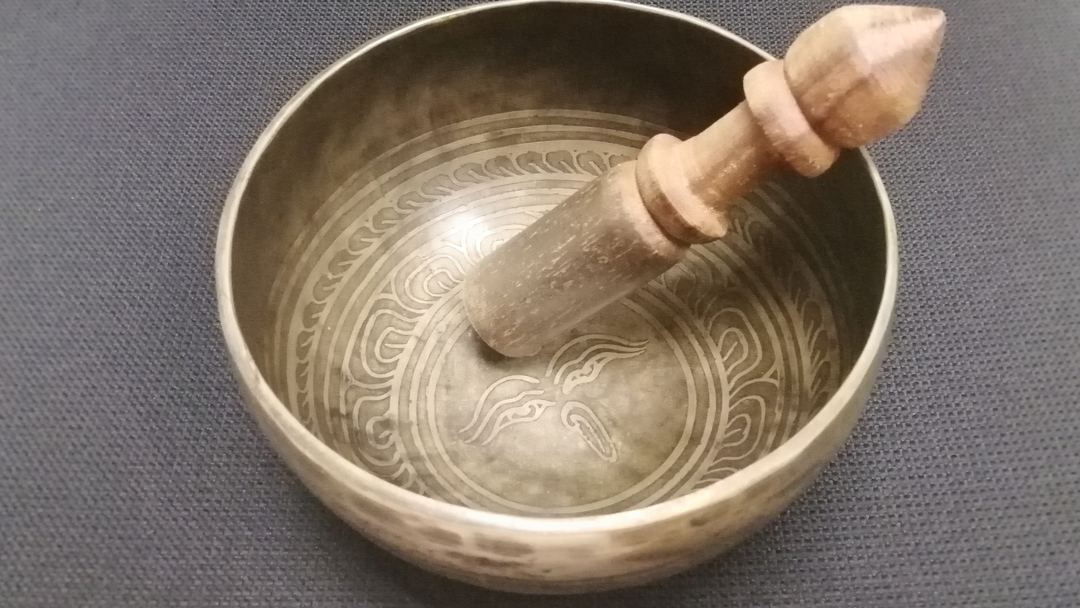
A singing bowl. Strike the rim gently with the wooden striker, then let it ring while you walk slowly around the room, or run the striker around the rim to make a long humming tone.
A drum or rattle. A steady beat as you walk, which many people find grounding.
Your voice. Humming, chanting or singing a song you love as you move through the house.
Music. Open the windows and play something bright and full through the whole home for ten minutes.
Work back to front as you would with smoke, ending at the front door.
Sound has a long place in house and temple practice. Shinto shrines have a bell rung by worshippers as they arrive. Hindu puja includes ringing a hand bell. Balinese priests use a ritual bell in blessings, and church bells have marked sacred time in Europe for centuries. Clapping into corners became a staple of Western space clearing through the feng shui and home-energy books of the 1990s.
Singing bowls are often sold as Tibetan, though historians debate how much of their use as ritual objects is old and how much is modern. You do not need to settle that question to enjoy one. It is a beautiful sound tool, and a slow walk with a ringing bowl is one of the calmest ways to end a busy day.
There is an ordinary reason clapping sounds duller in a cluttered corner: soft things absorb sound. Practitioners treat that change as a cue to notice, not as a measurement, and clearing the clutter brightens the sound as well.
What if I cannot make noise because of neighbours or a sleeping baby?
Use quiet sound. Hum softly, tap a glass lightly with a spoon, or play a recording of a bell at low volume. You can also rub your palms together briskly in each corner, which some practitioners use as a near-silent version of clapping.
Do I need a real singing bowl?
No. A bell, a wine glass tapped with a spoon, or your own hands work in the same way. Choose a bowl only if you love the sound, and try it in person if you can, because tones vary widely.
How Do You Cleanse a Room With Water, Scent and Salt?
These methods change how a room smells and feels without any flame.
Room spray. Fill a small spray bottle with about 100 ml of water, a tablespoon of witch hazel or vodka to help the oil mix, and five to ten drops of an essential oil such as lavender, lemon or rosemary. Shake, then mist high into each room, away from fabrics and polished wood. Skip this one if you have cats or birds.
Simmer pot. Simmer a pan of water on the stove with rosemary, a few bay leaves, a cinnamon stick and slices of lemon or orange. The scent fills the house within half an hour. Never leave it unattended and top up the water.
Floor and threshold wash. Warm water with lemon juice or a splash of white vinegar, wiped from the back of the home to the front door. Pour it away outside.
Holy water or moon water. Christians may sprinkle holy water from their church, and many modern practitioners use water left under a full moon overnight. Flick a few drops into each corner.
Salt. Small dishes in corners for a day or two, or a thin line along the inside of the front door, then thrown away outside.
Florida Water deserves a mention because it is so widely used across the Americas in Espiritismo, Hoodoo and Andean curanderismo. It is an inexpensive citrus and floral cologne, wiped onto door frames or sprinkled into a room. It contains alcohol, so keep it away from candles and open flames.
The full salt method, including how long to leave it, what kind to use and which floors and crystals it can damage, is in How to Cleanse Your Home of Negative Energy. If you also want to cleanse yourself after the house, Spiritual Cleansing Baths covers salt and herb baths.
With any water method, the same direction rule applies as with smoke: work toward the way out, and take the used water or salt outside the home rather than tipping it down the kitchen sink.
Are essential oils safe around pets?
Many are not. Cats lack some of the liver enzymes needed to process compounds found in oils such as tea tree, eucalyptus, peppermint and citrus, and birds are very sensitive to anything in the air. With pets in the home, choose sound, salt out of reach, or a simmer pot of plain herbs instead, and ask your vet if you are unsure.
What is a simmer pot?
A saucepan of water kept on a low simmer with herbs, spices and citrus peel, used to scent a home naturally. Rosemary, bay, cinnamon, cloves, orange and lemon are classic choices. It is popular in winter, and many people use it as the last step of a smoke-free cleanse.
Which Herbs and Resins Can You Burn Instead of White Sage?
If you love the ritual of smoke, you can keep it with plants that are cultivated, local or bought as cooking herbs.
Garden sage. The closest substitute, easy to grow in a pot and dry in a bundle.
Rosemary. A traditional European clearing herb, linked with remembrance.
Bay leaves. Burn a single dried leaf in a fireproof dish. Some people write a wish on the leaf first, a modern folk practice.
Lavender. Soft, sweet smoke, good for bedrooms before sleep, as long as the room is aired afterwards.
Juniper or cedar from your own area. Juniper is the smoke of Scottish saining, the old practice of blessing a home at the turn of the year.
Frankincense or myrrh resin. Burned on a charcoal disc in a heatproof censer, as in many churches.
Good-quality incense. Sticks or cones from a reputable maker with natural ingredients.
Smudging and Space Clearing has a full guide to drying your own bundles and to the history behind each plant.
Smoke of any kind needs care. Open a window in every room you work in, use a fireproof dish under the bundle or stick, and never leave anything smouldering unattended. Put it out by pressing it into sand or soil until nothing glows, then check again a few minutes later.
Move birds out of the home completely before burning anything, because their lungs are extremely sensitive. Cats and dogs should be in another room with fresh air. Anyone with asthma or other breathing problems, babies and pregnant people are better served by a smoke-free method.
Palo santo is often suggested as an alternative, but it raises its own sourcing questions. The wood sold for burning comes from dry forests in Ecuador and Peru, and the respected way to buy it is as naturally fallen wood from a supplier who can say where it came from. If you cannot find that out, choose something from your own kitchen.
Is palo santo a good alternative to sage?
It can be, if you can trace it. Responsible suppliers sell wood gathered from fallen branches, not cut from living trees, and can tell you the region and collector. Anonymous cheap sticks are harder to trust, and a homegrown herb avoids the question altogether.
Can I burn bay leaves to cleanse a room?
Yes. Hold a dried bay leaf with tongs, light the tip, blow out the flame and let it smoulder in a fireproof dish as you walk the room. It burns quickly and crackles, and the smoke is sharp and herbal. Keep a window open and a dish under it at all times.
How Do You Cleanse a Room Using Light, Air and Intention Alone?
Sometimes you have no tools at all: a hotel room, an office, a dorm, a hospital room or a friend's spare bed. You can still clear the space.
Air. Open the window or the door for a few minutes, even a crack.
Light. Pull back the curtains and switch on every light. Daylight is the oldest cleanser in many traditions, and a bright room simply feels different from a dim one.
Breath. Stand in the middle of the room, take five slow breaths, and let your shoulders drop on each out-breath.
Visualisation. Picture warm, bright light pouring in through the top of your head, filling you, then spreading out to the walls, the corners and the ceiling until the whole room is full of it.
Words. Say quietly what you are clearing and what you are welcoming: "Whatever was here before me can go. This room is calm and safe while I am in it."
One small act of care. Make the bed, clear one surface, or put a glass of water by the window.
The whole thing takes about five minutes and leaves no trace for the next person.
A candle is the other classic quiet tool. Many people light one white candle in the centre of a room after cleansing and let it burn for as long as they can watch it. If you carry a candle from room to room, use a holder with a deep base or a jar, keep it upright and well away from curtains and hair, and put it out before you leave the room. Battery candles are a sensible choice in rentals, dorms and anywhere with children.
Intention-only cleansing also suits people who feel uneasy about ritual objects altogether. You do not need anything to stand in a room, breathe slowly and decide how you want to feel there. Many religious traditions do exactly this through prayer, and it is no less a cleanse because nothing was lit or rung.
Can you cleanse a room with just intention?
Many practitioners say yes, and that tools only help focus intention. If you can stand in a room, breathe slowly, and clearly picture and state what you want to leave and what you want to stay, you have done the heart of any cleanse. Opening a window adds a physical change to the inner one.
How do I cleanse a hotel room?
Open the curtains and a window if it opens, switch on every light, and clap once in each corner and over the bed. Then sit for a minute, breathe, and say quietly that the room is yours for your stay. Some people also leave a small cup of salt on a high shelf and empty it into the bin when they leave.
Which Sage Alternative Should You Choose?
Match the method to your home and your reason for cleansing. Here is a quick guide.
You rent or live in a shared building. Sound, salt and a threshold wash. Nothing that sets off an alarm.
Someone has asthma, or you have a baby. Sound, open windows and a gentle simmer pot. No smoke and no sprays.
You have cats, dogs or birds. Sound and air first. Salt only where animals cannot reach it, and no essential oils.
After an argument. Open the windows, clap firmly through the room where it happened, then put something lovely there: flowers, music, a meal.
After an illness or a loss. Something slow and soft: a singing bowl or humming, a candle, and words of thanks as well as release.
Moving into a new place. A fuller ritual with cleaning, salt and blessing. How to Cleanse a New Home Before Moving In walks you through it.
A quick daily reset. Five minutes of fresh air and one clap in each corner of the main room.
You miss the ritual of smoke. Homegrown garden sage, rosemary or a good incense stick, with the windows open.
Most people end up combining two or three methods. A typical whole-home routine might be: clean, open the windows, walk back to front clapping into corners, set dishes of salt in the heaviest rooms, wipe the front threshold with salt water, then light a candle and say a blessing. None of it needs smoke, and the house will look, smell and feel different by the end.
The method you will actually repeat is better than the perfect one you never do. If a bell feels natural to you and herbs feel fussy, use the bell. If you like the warmth of a simmer pot on a Sunday afternoon, make that your ritual. Consistency, kindness and fresh air do far more than any single tool.
Can I combine different cleansing methods?
Yes, and most practitioners do. A common order is cleaning, then air, then sound or smoke to clear, then salt or water at the thresholds, then light and words to bless. Just keep moving in one direction, toward the way out, so the routine has a clear end.
Questions people ask
What can I use instead of white sage to cleanse my house?
Sound, salt, water, fresh air and light all have long traditions of their own. A bell or clapping in corners, small dishes of salt, a salt water wipe of door frames, and wide open windows will clear a room without any smoke. If you want smoke, garden sage, rosemary, bay leaves, juniper or good-quality incense are the usual choices.
Can I cleanse my home without smoke?
Yes, and several traditions never used smoke at all. Clap or ring a bell through each room, place salt in the corners, wipe the thresholds with salt water, open every window, and finish with a spoken blessing. It suits rentals, small flats, homes with asthma or pets, and anywhere with sensitive smoke alarms.
Is garden sage as good as white sage for cleansing?
In practice, yes. Garden sage, Salvia officinalis, is grown as a crop, sold in every supermarket and easy to grow in a pot, and it has its own long folk history in Europe as a protective herb. It smells warmer and softer than white sage. Many people who stop buying white sage simply switch to a bundle of homegrown garden sage.
Can I use incense instead of sage?
Yes. Incense is the main cleansing smoke in many traditions, from church censers to Japanese, Chinese and Indian household practice. Choose a reputable maker with natural ingredients rather than cheap sticks soaked in synthetic fragrance, open a window, and keep it away from birds, cats and anyone with asthma.
How do I cleanse a room without anything at all?
Open the window, stand in the middle of the room, and clap firmly into each corner. Then picture bright light filling the room from floor to ceiling while you take a few slow breaths, and say out loud what you are clearing and what you are welcoming. It takes about five minutes and works in hotels, offices and dorm rooms.
Why do people say not to buy white sage?
White sage is sacred to several Native American nations of Southern California and northern Baja California, and it grows wild in a small range. Retail demand has led to reported illegal harvesting from wild land. Many Native educators ask non-Native buyers to avoid wild-harvested bundles and to avoid calling a personal routine smudging. Native views are not all the same.
What does today hold for you?
Pop in your birthday. Your reading shows up right here. No email, no account.
Related topics: cleanse energy without sage, alternatives to sage, how to cleanse a room without smudging, how to cleanse a house without sage, sage alternatives for cleansing, cleanse a room without smoke, what to use instead of white sage, energy cleansing without burning anything