How to Cleanse a New Home Before Moving In: A Simple Step-by-Step Ritual
By DailyDestiny Editorial Team
The short answer
To cleanse a new home before moving in, clean it thoroughly while it is empty, open every window, walk through each room from the back of the house to the front door clearing the corners with sound, salt or smoke, and then bless the home with a lit candle, a few spoken words and the first things you carry in, traditionally bread and salt. Allow an hour or two.
New keys, empty rooms, and someone else's life still lingering in the pencil marks on a door frame. Here is a calm, step-by-step ritual to clear a new home, bless it and make it yours, whether you have a whole day before the van arrives or only an hour.
On this page
Why Cleanse a New Home Before You Move In?
Moving day is loud and over in a blur, so the quiet hour before it matters. You want to spend that hour making a new home feel clear, welcoming and properly yours.
Picture the moment. You turn the new key, step inside, and the rooms echo. There are faint squares on the walls where someone else's pictures hung, and pencil marks on a door frame where another family measured their children. It is exciting, and also a little strange, like wearing someone else's coat.
There is no scientific evidence that previous owners leave energy behind them. What is true is that a home holds traces of other lives, and that moving is one of the biggest transitions most people go through. Cultures all over the world mark the threshold of a new home with ritual, from Jewish home dedications to Hindu griha pravesh ceremonies and the European custom of carrying in bread and salt. A cleanse is a way of saying, clearly and on purpose, that a new chapter has started.
Before moving in is the sweet spot for a new home cleansing ritual. Every corner is reachable, every cupboard is open, and there is nothing to protect from salt water or to shuffle out of the way. You also get to meet the house on its own, before your belongings fill it with the familiar.
If you could not get in early, do not worry. Many people cleanse on the first quiet evening after the van leaves, and others clear one room at a time as they unpack. The ritual is not a test you can fail. It is a way of paying attention to a place you are about to share your life with.
This guide is for the new start. For resetting a home you have lived in for years, How to Cleanse Your Home of Negative Energy is the better fit.
Do you have to cleanse a new home?
No. Plenty of people move in without any ritual and are perfectly happy. A cleanse is for people who find it meaningful, who feel uneasy in the new place, or who simply want a moment to mark the change. If it feels like a chore rather than a gift, keep it very short: open the windows, say thank you, and carry in something you love.
Is it worth cleansing a rental or a student room?
Yes, if it helps you settle. A rental is your home while you live there, and short-term homes often see many tenants come and go. Keep to methods that leave no trace and follow the lease: cleaning, sound, open windows and salt in dishes rather than on floors.
When Is the Best Time to Cleanse a New Home?
The ideal moment is the day you get the keys, before any furniture or boxes arrive. If that is not possible, the next best is the first quiet evening after you move in.
A few timing customs you may want to follow:
Daylight. Easiest for cleaning and keeping windows open, and many traditions prefer to enter a new home in the morning.
A new moon. Popular with people who follow the lunar cycle, because it is the traditional time for beginnings.
An auspicious date. Hindu families often ask a priest to choose a muhurat, an auspicious time, for the griha pravesh. Many Chinese families consult the traditional almanac for a good moving date. Feng shui and astrology both have long traditions of choosing moving days.
Before the first night. If you do nothing else, try to open the windows and say a few words before you sleep there for the first time.
If your move date is fixed by a contract or a removals company, do not let timing customs stress you. Most traditions value the intention far more than the calendar.
If you have keys a few days early, you can spread the ritual out. Day one, clean and air. Day two, clear room by room and leave salt dishes in place. Moving day, throw out the salt, bless the home and carry in your first welcoming things. Spacing it out this way makes each step calmer and less rushed.
If you have already unpacked, cleanse room by room instead of all at once. Start with the bedroom so you sleep in a cleared space, then the kitchen, then the rest. A cleanse done in a lived-in home simply needs more care with salt and water around furniture and fabrics.
Should I cleanse before or after unpacking?
Before, if you can. Empty rooms are faster to clean and easier to walk. If you have already unpacked, it still works: clear the floor of each closet and the corners you can reach, and use dishes of salt on high shelves instead of lines on the floor.
What if I cannot get into the house before moving day?
Do a short version as the first thing on moving day. Open the windows, say your intention at the door, and carry in bread and salt before the boxes. Then do the full cleanse on the first evening, once the movers have gone and the house is quiet.
What Do You Need for a New Home Cleansing Ritual?
You need very little, and most of it you already own. Pack these in one box or bag labelled for the first day so they do not get lost among the rest.
Cleaning things. Cloths, a bucket, a broom (ideally a new one), bin bags and a gentle all-purpose cleaner.
Coarse salt and a few small dishes. For the corners and the threshold.
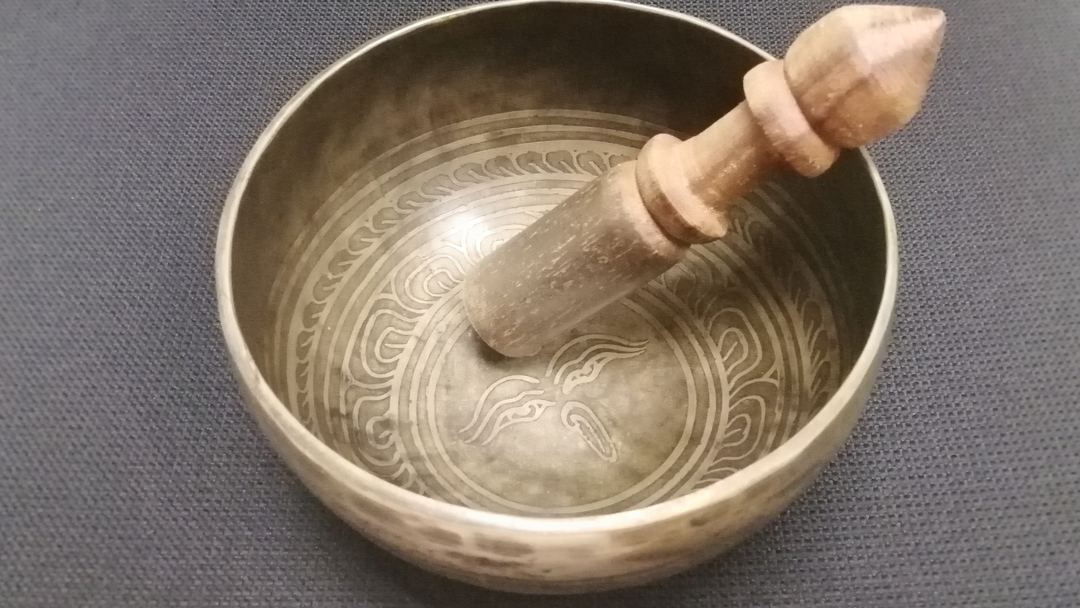
Something for sound. A bell, a singing bowl, or just your hands.
A candle in a steady holder, and matches. Or a battery candle in a rental.
A jug of water. For the threshold wash and for a glass of water on the windowsill.
Bread and salt. The traditional first things to carry in.
Something living. A plant or a bunch of flowers.
Your blessing, written on a card. So you do not have to remember it in the chaos of the day.
If you want to use smoke, add a bundle of garden sage or rosemary and a fireproof dish, and check first that the smoke alarms will not alert the whole building. How to Cleanse Energy Without Sage has smoke-free options for every situation.
Add one practical item to the kit: a note of the security jobs to do on the first day. In folk tradition the threshold is the boundary that protects a home, and the modern version of protecting the threshold is very concrete.
Change the locks, or have them rekeyed, because you cannot know how many copies of the old keys exist.
Test every smoke alarm and replace batteries.
Fit a carbon monoxide alarm near any boiler, fire or gas appliance.
Find the water stopcock, the fuse box and the gas meter before you need them in a hurry.
It may not feel spiritual, but it is the most protective thing you can do for a new home, and many people find they relax far more easily once it is done.
Why a new broom?
Folk custom in Britain, Ireland and parts of North America says you should not carry an old broom into a new house, because it sweeps the old troubles in with you. A new broom, used first to sweep out the front door, is a simple way to mark a clean start.
How to Cleanse a New Home Before Moving In, Step by Step
Here is the full ritual. Go slowly, and if you share the move with others, do it together.
1. Pause at the door. Before you step in, take three slow breaths. Thank the house, and wish the people who lived there before you well.
2. Clean. Wipe every surface, the insides of cupboards and drawers, skirting boards, light switches, door handles and window ledges. Sweep and mop the floors.
3. Open every window and door. Let the air move through for at least fifteen minutes.
4. Clear room by room. Start at the back of the house or the top floor. In each room, clap or ring a bell into every corner, inside closets and behind doors. Put a small dish of salt in the corners of any room that feels heavy.
5. Wash the threshold. Mix a tablespoon of salt into a jug of water and wipe the front door frame, the handle and the doorstep. Sweep the step outward with your new broom.
6. Bless the heart of the home. Close the windows, light a candle in the kitchen or living room, and say your blessing.
7. Carry in your first things. Bread and salt first, then something sweet, the plant and the light.
What you say at the door can be very simple. One family's version: "Thank you to everyone who lived here before us. We wish you well wherever you are now. This is our home now, and we will take good care of it." It honours the people who came before without asking anything of them.
Children often love having a job: ringing the bell in their own new bedroom, carrying in the bread, or choosing where the plant goes. Giving them a part to play can help with the unsettled feeling many children have about moving.
The whole ritual takes one to two hours in an average home, most of it cleaning. If time is short, steps 1, 3, 6 and 7 together take about twenty minutes and keep the heart of it.
What should I do with things the previous owners left behind?
Sort them early. Return anything personal, such as letters or photographs, through the agent or the new address if you can. Donate or recycle what you will not use. Keep only what you genuinely like, and clean it before it joins your things, so it becomes part of your home rather than a leftover of theirs.
Do I need to cleanse every room, including the garage and attic?
Traditions that work room by room usually include them, because storage spaces are where stale air and forgotten things collect. A quick clap and an open door or hatch is enough for a garage, attic or cellar. Give most of your time to the rooms where you will sleep, cook and gather.
What House Blessing Traditions Can You Draw On?
Nearly every faith and culture has its own way of blessing a new home. If your family has one, it may be the most meaningful choice of all.
Jewish. A mezuzah, a small case holding a parchment scroll with verses from Deuteronomy, is fixed to the right-hand doorpost of the entrance and many interior doors, usually with a blessing. A home dedication is called a chanukat habayit.
Catholic. A priest can bless a new home with holy water and prayer. Around Epiphany, many Catholic families chalk the initials C, M and B, with the digits of the year, above the front door.
Orthodox Christian. Priests bless homes with holy water, especially in the weeks after Theophany, and will bless a new home on request.
Hindu. The griha pravesh ceremony marks entry into a new home, often at an auspicious time, with a puja. Many families boil milk until it overflows as a sign of abundance.
Slavic and Jewish custom. Guests and new owners bring bread and salt.
Chinese custom. Many families choose a lucky moving date and make sure the rice container is full before the first night.
Whatever your background, a few heartfelt words at the door are always enough.
It is fine to draw on more than one tradition, especially in a family that blends several. Many couples combine a priest's blessing with bread and salt from a grandparent's culture and a candle of their own choosing. What matters is that each element means something to the people who live there.
Be thoughtful about borrowing from traditions that are not yours. Some, like bread and salt, are widely shared and given freely. Others, such as a mezuzah or a griha pravesh puja, carry religious obligations and are best done within that faith or with guidance from someone who practises it.
If you follow feng shui, the front door is where most of its advice for a new home begins. Feng Shui Front Door explains what practitioners look for and how to make an entrance feel welcoming.
How do I bless a new home without a priest?
Most traditions allow a household blessing by the family. Stand together in the main room or at the front door, light a candle, and say a prayer from your faith or a few words of your own about what you hope the home will hold. Sprinkling a little water in each room is a common addition.
What is the meaning of bread and salt in a new home?
Bread stands for food and enough to live on, and salt for flavour, preservation and loyalty. Together they say: may this house never go hungry and may life here keep its taste. The custom is strongest in Slavic and Jewish communities but is now shared widely as a housewarming gift.
What Should You Do on Your First Day and Night in a New Home?
The first day sets the tone, so give it a little care even in the middle of the boxes.
Carry in the welcoming things first. Bread, salt and something sweet, before the sofa and the television.
Make the bed early. Of all the furniture, the bed matters most on the first night. Having it ready before you are exhausted is a kindness to your future self.
Cook or share a simple meal. Even toast or a pot of soup. Many traditions say the first meal in a home blesses the kitchen.
Light every room. Folk custom in several cultures keeps lights or a lamp burning in the home on the first night. At minimum, leave a hall light on so the dark is less strange.
Say goodnight to the house. It sounds whimsical, but a few words before sleep helps the place start to feel like yours.
Do not expect perfect sleep. Sleep researchers call it the first-night effect: people tend to sleep more lightly in a new place, as if part of the brain stays on watch. It usually passes within a few nights.
Many people feel a dip in the first week, even after a move they wanted. You may miss the old home, feel tired from weeks of packing, or find the new sounds of pipes, neighbours and traffic unsettling. This is normal adjustment, not a sign the house is wrong.
Small routines help. Put the kettle, mugs and your favourite things out first so mornings feel familiar. Hang one picture you love on the first day. Walk the neighbourhood and find the nearest place for good bread or coffee. Each familiar thing tells you that you live here now.
A lighter repeat of the cleanse about a month in, once you are unpacked, is a lovely way to mark the end of the move and the start of ordinary life.
What do I do if I cannot sleep in my new house?
Give it a few nights. Keep the bedroom dark and cool, put something familiar by the bed such as your own pillow or a photo, and keep a low light in the hallway. If the room feels unsettled, clap the corners and say a few calm words before bed. If sleep stays poor for weeks, check for practical causes like noise, light, draughts or a stuffy room.
What If Your New Home Still Feels Wrong After You Move In?
Sometimes a new place takes a while to warm up to you. Here is how to tell what might be going on and what to try.
Give it time. Most people need weeks, sometimes months, before a new home feels like theirs. Grief for the old home can sit right alongside excitement for the new one.
Check the practical things. Damp, mould, draughts, stale air, poor light and noise all make a home feel unwelcoming. A faulty boiler or heater can cause headaches and tiredness, so make sure your carbon monoxide alarm is working.
Fill it with your life. Cook, invite friends, play music, hang pictures. A home feels like yours once your life is visible in it.
Repeat the cleanse. A second, lighter cleanse after you have unpacked often feels different from the first, because now you are clearing your own home.
Find out the history if you want to. Some people feel better knowing the story of a house, and others prefer not to. Either is fine.
If you learn that someone died in your new home, try to hold it gently. Any house that is more than a few decades old has almost certainly seen births, illnesses and deaths, because for most of history people lived and died at home. Many families respond with a quiet blessing: a candle, a moment of silence, and a few words wishing that person peace. That is usually all that is needed.
If the unease is strong or will not lift, look at how you are doing in yourself. Moving is stressful, and stress often shows up as a feeling that something is wrong with the place. Talking to someone you trust, or to a doctor if your mood stays low, helps far more than another round of salt.
Be careful with anyone who tells you the house is cursed or haunted and offers to fix it for a fee. Curse Removal Scams shows how that pattern works. A real friend, or a respected leader in your own faith, will help for free.
What should I do if someone died in my new house?
Nothing is required, and most traditions see no problem with living in such a home. If it weighs on you, light a candle, say the person's name if you know it, wish them peace, and then bless the home for your own family. Some people ask a faith leader to say a prayer as well.
How often should I cleanse my new home after moving in?
A full cleanse before or at the move, a lighter one about a month later, and then whenever life changes: a new baby, an illness, a breakup or a long stretch of stress. In between, open windows and a tidy entrance do most of the work.
Questions people ask
Should you cleanse a new house before moving in?
If it matters to you, yes, and before moving in is the easiest time. Empty rooms let you clean every corner, open every window and walk the whole home without stepping over boxes. Many people feel it helps them let go of the previous owners' life and start their own. If you have already moved in, a cleanse on the first quiet evening works too.
What do you bring into a new house first for good luck?
Bread and salt are the most widespread choice, so the household never goes hungry and life never lacks flavour. Many families add something sweet such as honey or sugar, a candle or lamp for light, a plant for growth, and a new broom. Hindu families often boil milk until it overflows, and some Chinese families fill the rice container before the first night.
How do you bless a new home yourself?
Clean and air the home, walk through it from the back to the front door, then stand in the main room, light a candle and say a few words about what you want the home to hold. You can use a prayer from your own faith or your own words. Many religious communities will also send a priest, rabbi or other leader to bless a home on request.
Can you cleanse a new home with salt?
Yes. Place small dishes of coarse salt in the corners of each room for a day or two before you move in, then throw the salt away outside. You can also wipe the front door frame and threshold with salt water. Keep salt off garden soil and away from pets, and wipe it from wooden floors and metal fittings afterwards.
What should you not do when moving into a new house?
Folk custom offers a few gentle warnings: do not carry your old broom into the new home, do not arrive empty-handed, and do not spend the first night with every room dark. More practical advice matters more: change the locks, test the smoke alarms, fit a carbon monoxide alarm and find the water stopcock before you need it.
How do I cleanse a rental before moving in?
Use methods that leave no trace and break no rules. Clean thoroughly, open every window, clap or ring a bell in each corner, place salt in dishes rather than on the floor, and say your blessing at the door. Avoid smoke if the lease forbids it or the smoke alarms are sensitive. A rental is still your home while you live there.
What does today hold for you?
Pop in your birthday. Your reading shows up right here. No email, no account.
Related topics: how to cleanse a new home before moving in, new home cleansing ritual, moving into a new house spiritual cleansing, new home blessing, how to bless a new home, what to bring into a new house first, cleansing a new home with salt, new house traditions for good luck