How Much Does a Tarot or Psychic Reading Cost (and Is It Worth It)?
By DailyDestiny Editorial Team
The short answer
In the US, a tarot reading with a local or independent reader typically costs $30 to $190, and Thumbtack's cost guide, updated October 28, 2026, puts the national average at $73 to $187. Online platforms charge per minute: about $1.99 to $39.99 a minute as of November 2026, with low intro offers for new customers. A 20-minute call at $4.99 a minute costs $99.80, so per-minute readings are only cheap if you keep them short.
You have a question that keeps you up at night, and a reading feels like it might help. Before you pay, here is what tarot and psychic readings really cost, how per-minute pricing adds up and how to tell a fair reader from one who will drain you.
On this page
How much does a tarot or psychic reading cost?
It is late. You have been turning the same question over for weeks: stay or go, call or wait, take the job or not. A reading starts to feel like the only way to get out of your own head. Then you see $4.99 a minute and wonder how long this will take.
The price depends on three things: how long you get, how experienced and in-demand the reader is, and whether you book a fixed session or pay by the minute. Fixed sessions are easier to budget. Per-minute calls are faster to start and harder to stop.
Every price in this guide comes from the reader's or platform's own website, or Thumbtack's published cost guide, checked on November 2, 2026. Nobody paid to be included and there are no affiliate links.
Here are the real prices we found, grouped by type.
Thumbtack national average for a tarot reading: $73 to $187, with a low end of $40 and a high end of $374, based on estimates from its local pros.
Independent readers, fixed sessions: Ali Osborne at Phosphene charges $30 per 30-minute slot, and you book two slots for 60 minutes. Monica's Porch lists a 60-minute tarot reading at $111, in person or virtual.
Kasamba: advisors listed at $1.99 to $39.99 a minute, most between $1.99 and $4.99, with 3 free minutes on your first reading.
Keen: advisors listed at $1.99 to $14.99 a minute, most $2.50 to $6.99, with 5 minutes for $1 for new customers.
Psychic Source: first-time customers can talk to most psychics for as low as $1 a minute, once. The advisors we saw listed regular rates of $4.99 to $12.99 a minute.
California Psychics: the company says its prices range from $5 to $23 a minute, with a new customer offer that adds free minutes to a first purchase.
Sanctuary app: a 5-minute intro reading for $4.99 from select readers, then per-minute rates. Its readers are listed at $4.77 to $19.99 a minute.
Prices on per-minute platforms change often, and each advisor sets their own rate, so the number on the advisor's profile is the one that counts.
Why do tarot reading prices vary so much?
There is no standard price list in tarot. Each reader sets their own rate based on experience, demand, location and session length. Thumbtack's guide notes that price is not necessarily an indication of quality, so a $30 reader can be excellent and a $300 reader can disappoint.
Is a tarot party or event reader priced differently?
Yes. Readers who travel to an event usually charge for the whole booking rather than per person, and travel adds to the price. Ask for a flat event rate, how many guests they can read for and how long each reading lasts.
What does a local or independent tarot reader charge?
A local or independent tarot reader usually charges a fixed price for a fixed time, often $30 to $60 for 30 minutes and $60 to $200 for an hour. Thumbtack's 2026 guide puts the national average at $73 to $187.
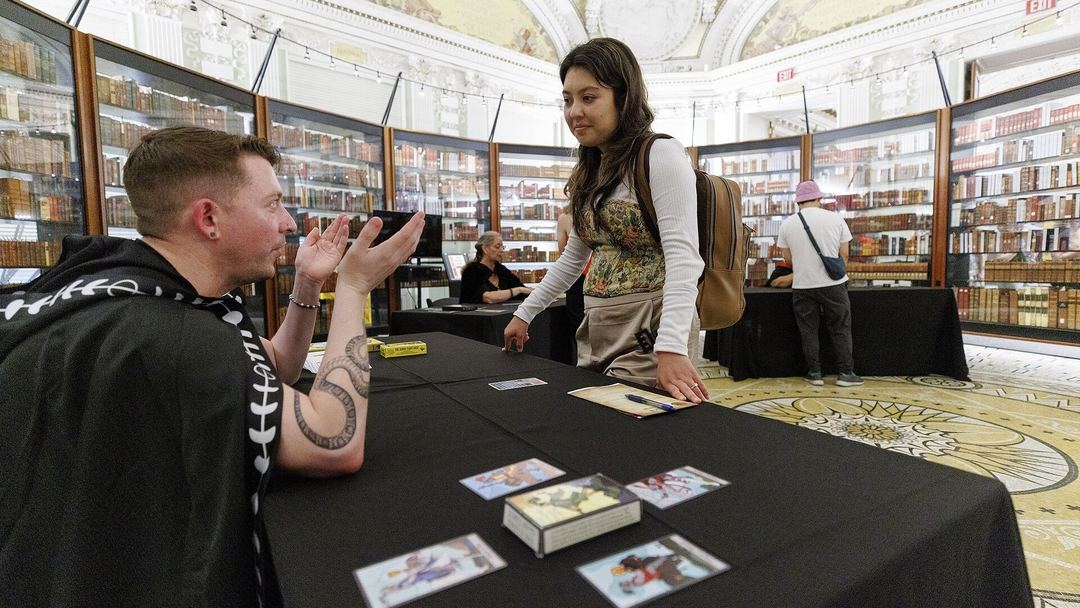
The independent readers we checked show the range well. Ali Osborne, who reads at Phosphene, charges $30 for a 30-minute slot, so an hour is $60. Monica's Porch charges $111 for 60 minutes, in person or online. Both list the price, the length and what the session suits before you book, which is exactly what you want to see.
Why choose a fixed session? Because you know the total before you start. You can relax into the reading instead of watching a clock. A 60-minute session also gives time for a full spread, such as a Celtic Cross, plus follow-up questions.
Where do you find a good local reader? Metaphysical shops, bookshops with a spiritual section and wellness centres often host readers on set days. Word of mouth is still the best guide: ask friends who have had readings. Many readers also post their style on social media, so you can see how they talk about the cards before you book.
What should a reader's booking page tell you? Look for five things: the price, the length, the format (in person, video or phone), whether you can bring your own questions and a clear cancellation policy. Some readers also say what they do not do, such as medical or legal questions. That is a good sign.
One line on Ali Osborne's page sums up a healthy approach well: tarot is "prescriptive rather than predictive", and it is offered as another perspective rather than answers. A reader who frames tarot that way is unlikely to scare you or promise what they cannot deliver.
How do you get the most out of a fixed session? Come with one or two open questions rather than yes-or-no ones. "What do I need to understand about this relationship?" gives the cards room to say something useful. "Will he call?" usually does not. Bring a notebook, or ask if you can record the session, because the details fade fast.
If you would like to understand the cards a little before you go, Major Arcana Tarot Cards: Complete Meanings & Interpretations covers the 22 big cards that tend to carry the main message of a reading. Knowing a few of them makes the session feel less mysterious and more like a conversation.
Should I tip a tarot reader?
Tipping is not expected, but it is a kind gesture if the reading helped you, especially at an event or a shop. A sincere thank you, a recommendation to a friend or a kind public comment on their page means a lot to independent readers too.
Is an online video reading as good as in person?
For most people, yes. Many readers work mainly online now, and a video session lets you see the cards as they are laid out. Some people feel more relaxed at home. In person can feel warmer if you have a good local reader.
How much do online psychic and tarot platforms charge per minute?
Online platforms charge per minute, about $1.99 to $39.99 a minute as of November 2026, and the total depends entirely on how long you stay on. Each advisor sets their own rate, which is shown on their profile.
The maths matters more than the rate. Here is what a reading costs at common rates.
10 minutes at $1.99 a minute: $19.90.
15 minutes at $4.99 a minute: $74.85.
20 minutes at $4.99 a minute: $99.80.
30 minutes at $12.99 a minute: $389.70.
So a "cheap" $4.99 reader can cost as much as an hour with an independent reader, if you stay twenty minutes. And the clock usually runs while the advisor shuffles, types or pauses.
Intro offers lower the first bill. As of November 2026, Keen offers new customers 5 minutes for $1, Kasamba gives 3 free minutes on your first reading and offers up to $50 in credits to try another advisor if you are not satisfied, Psychic Source lets first-time customers talk to most psychics for as low as $1 a minute once, and Sanctuary has a $4.99 five-minute intro reading with select readers. After the intro, the advisor's normal rate applies.
Here is how to use a per-minute platform without regret.
Set your total budget first. Divide it by the advisor's rate to get your minutes, and set a timer on your phone for two minutes less.
Prepay a fixed amount if the platform allows it, rather than linking a card that can be charged without limit.
Ask your question in the first minute. A clear question, written down before you connect, saves money and gets a better answer.
Read the advisor's profile closely. Many advisors on these platforms are psychics or mediums who also use tarot, and some use no cards at all. If you want a tarot reading, choose someone who says they read tarot.
Be careful with automatic top-ups and follow-up offers. If a reader suggests you continue in a longer paid session, or buy a special ritual, you can say no and end the call.
A quick note on history, because this model has a past. The pay-per-call psychic hotlines of the 1990s billed callers by the minute on premium-rate numbers. Miss Cleo: Was She a Real Psychic? The Hotline Truth covers the best-known case, which ended in Federal Trade Commission charges in 2002. Today's platforms are different businesses, with listed rates and refund policies, but the lesson about per-minute billing still holds: know your number before the clock starts.
Are per-minute readings cheaper than a fixed session?
Only if they are short. A 10-minute call at $1.99 a minute is $19.90, cheaper than most sessions. A 20-minute call at $4.99 is $99.80, about the same as an hour with many independent readers. For long readings, a fixed session is usually better value.
Do psychic platforms offer refunds?
Some offer credits rather than cash refunds. As of November 2026, Kasamba offers up to $50 in credits to try another advisor if you are not satisfied, and California Psychics promotes a satisfaction promise on its own site. Read each platform's terms before your first reading.
What is the difference between a tarot, psychic and astrology reading?
A tarot reading uses the cards as prompts for reflection, a psychic reading relies on the reader's claimed intuition, and an astrology reading is calculated from your birth date, time and place. They cost similar amounts and do quite different jobs.
Tarot: the reader lays out cards in a spread and interprets them in light of your question. Many readers see tarot as a mirror, a way to see your situation from new angles. You do not need any personal data, which makes it good for a single, present-moment question.
Psychic: the reader says they sense information intuitively, sometimes with cards or other tools. Readings vary hugely in style. There is no scientific evidence for psychic ability, so treat a psychic reading as one person's perspective.
Astrology: an astrologer interprets the chart of the sky at your birth and how the planets move against it over time. It needs your exact birth time for the full picture. It suits bigger, longer questions: your nature, a year ahead, the timing of a change.
One simple way to choose: tarot for "what is going on right now", astrology for "what is this year or this phase of my life about".
People often book one when they need the other. If you want to know when to make a move, astrology's timing tools fit better than a tarot spread. If you want to understand how you really feel about a situation, tarot's open-ended prompts often do it best.
Prices sit in a similar range. A professional astrologer's one-hour session costs about $111 to $329 from the astrologers we checked in November 2026, close to the upper end of tarot pricing, because an astrologer prepares your chart in advance. How Much Does an Astrology Reading Cost? 2026 Prices Compared covers astrology's tiers, from free charts to written reports and live sessions.
And there is a third way for each: do it yourself. You can pull tarot cards with a free online reader or your own deck, and you can draw your own birth chart free on several websites. It takes some learning, but it costs nothing and builds your own intuition.
What about DailyDestiny's paid reading? It is an astrology reading, not a psychic one. Your Year Ahead takes your birthday and places every new moon, full moon, eclipse and retrograde of your next 12 months into your solar houses, with your personal year number and Chinese zodiac animal, so you can see month by month when your year points to love, money, work and rest. Want a psychic to tell you exactly what is coming? This is not that, and it will not pretend to be. It is a planning tool for people who want to use their good weeks well.
Is tarot more accurate than astrology?
Neither has scientific evidence of predicting events. They are different tools. Tarot is good for reflection on a present question, and astrology is good for thinking about timing and patterns. Which feels more useful depends on you and your question.
Can a tarot reader also read my birth chart?
Some can. Many readers combine tarot and astrology, and some sessions are advertised as both. If you want a real chart reading, check that the reader asks for your exact birth time and place, because a chart cannot be read properly without them.
Is a tarot or psychic reading worth it?
A reading is worth it when it helps you think more clearly and choose your next step. It is not worth it when you hope it will remove uncertainty, because no reader can see your future for certain and no honest reader claims to.
Here is a simple test before you book. Write down what you want to walk away with. If the answer is "a fresh way of seeing this", "a chance to say it out loud" or "a gentle push to decide", a good reading can give you that. If the answer is "to know for sure whether he loves me" or "to know if I will get the job", you will probably leave wanting more, and that is how people end up booking again and again.
There is also no evidence from controlled studies that tarot or psychic readings predict events. That does not make them useless. Many people find that the cards, or a thoughtful reader, help them notice what they already know. Think of a good reading as a structured conversation with yourself, with a guide.
So is it worth $30 or $111 or $200? For one real question, once in a while, from a reader whose approach you trust: often yes. As a weekly habit for reassurance: usually not.
Some signs a reading was worth the money: you understood your situation better, you felt calmer rather than more anxious, and you left with a next step you chose yourself. Some signs it was not: you felt frightened, you were told you needed more sessions or rituals, or you came away more dependent on the reader.
If you notice you are booking readings whenever you feel uncertain, it may be worth pausing. Reassurance from outside fades quickly. Learning a simple daily card pull, or talking things through with a trusted friend or counsellor, can give you steadier ground. How to Do Tarot Readings for Yourself: Beginner's Guide is a good start if you want to try reading for yourself.
For big life questions, about health, money or the law, a reading can sit alongside proper advice but never replace it. A good reader will tell you that themselves.
And if what you really want is a sense of timing for the year ahead, an astrology reading may serve you better than a psychic one. It will not tell you what to do, but it can show you which months astrologers read as good for love, work or rest, so you can plan around them.
Why do readings sometimes feel so accurate?
Partly because a good reader listens closely and reflects back what you share, and partly because general statements can feel personal, which psychologists call the Barnum or Forer effect. It does not mean the reading has no value. It means the value lies in reflection, not prediction.
How often is it healthy to get a reading?
There is no rule, but many people find once every few months, or at a real turning point, is plenty. If you feel you need a reading before every decision, take that as a sign to rest from them and build your own confidence for a while.
What does a fair reading include, and what are the red flags?
A fair reading has a clear price and length before you start, a reader who explains what they do and do not do, and no pressure to buy more. You should leave with a clearer view of your question and no new fear.
Here is what a fair reading looks like.
A set price and time: for example $30 for 30 minutes or $111 for 60 minutes, or a per-minute rate you have agreed to and a total you control.
An honest frame: tarot as perspective, not a sentence on your future.
Respect for your limits: no medical, legal or financial instructions, and no prying beyond your question.
A calm close: the session ends on time, with no upsell.
And here are the red flags. Leave if you hear any of these.
"You have a curse" or "dark energy is attached to you": usually followed by a price to remove it.
A request for money, gold or valuables to cleanse: a classic sign of fraud.
Promises of results: your ex will return, money will arrive.
Pressure to keep paying: weekly "work", candles, rituals or a longer session to "finish".
These are not rare. Curse Removal Scams: How "You Are Cursed" Becomes a Bill explains how the most common psychic fraud works, step by step. Rose Marks: The Psychic Who Took $17.8 Million From Clients covers a Florida fortune teller convicted by a federal jury in 2013, who told clients they must hand over cash, gold and jewellery to be cleansed. Both start the same way: a frightening message, then a fee to make it go away.
You can protect yourself with a few habits. Never pay for a ritual, cleansing or "protection" after a reading. Never hand over cash, jewellery or bank details to a reader. Never agree to a payment plan for spiritual work. Keep receipts and messages.
If you think you have been targeted, stop contact, keep everything in writing and talk to your bank or card provider. In the US you can report fraud to the Federal Trade Commission and your state attorney general. Elsewhere, your national consumer protection agency or the police can help. Many victims feel embarrassed, and they should not: these schemes are designed by skilled people to catch good, caring people at a low moment.
A genuine reader, by contrast, is happy to tell you the price, the method and the limits. Theresa Reed, a well-known tarot reader, has written on her own site that readers who predict doom and then insist you pay them to remove a curse are bogus, and that a good tarot reading encourages personal responsibility. That is the standard to hold anyone to.
Can a reader remove a curse?
No one can show that curses exist or that paid rituals remove them. Offers to lift a curse for money are the most common opening of psychic fraud on record. If a reader says you are cursed and names a price, end the session and do not pay.
What should I do if a reading frightened me?
Remember that a reading is one person's interpretation, not a fact about your future. Talk it over with someone you trust. If the fear came with a request for money, treat it as a warning sign. A good reading should leave you clearer, never more afraid.
How can you get a good tarot reading for free or cheaply?
The cheapest good tarot reading is the one you learn to do yourself, and you can start tonight for free. A free online tarot reader, like the one on this site, lets you pull cards and read their meanings with no sign-up.
Here are your low-cost options, as of November 2026.
Free: an online tarot reader, free tarot apps such as Labyrinthos, whose own decks are free to use in the app, and a library book on tarot.
Low cost: a new-customer intro offer on a platform, such as Keen's 5 minutes for $1, Kasamba's 3 free minutes or Sanctuary's $4.99 five-minute intro. Use it for one clear question and stop when the intro ends.
A deck of your own: The Modern Witch Tarot is $26.99 at its publisher, Hachette, and follows the classic Rider-Waite-Smith meanings, which most books and websites use.
A fixed session with an independent reader: from $30 for 30 minutes, with a known total.
A daily one-card pull is a lovely place to start. Ask a simple question in the morning, such as "What do I need today?", pull a card and write one line about it. In a month, you will know the cards better and trust your own reading more.
If you want to read for yourself, Best Tarot Apps for Beginners and Daily Pulls (2026) compares the apps that teach you as you go, and How to Do Tarot Readings for Yourself: Beginner's Guide walks you through your first spreads. You may find, as many people do, that your own readings become the most useful ones, because you know your life better than any stranger.
The free tarot quiz on this site is another gentle way in: it tells you which card matches you right now, and what it suggests.
And if your real question is about timing, not cards, here is one more option. DailyDestiny's Your Year Ahead is an astrology reading, not tarot and not psychic. It costs $29, paid once, and it drops to $19 for the 72 hours after every new moon. One payment, no subscription, no account. From your birthday alone it maps your next 12 months: month by month when your year points to love, money, work and rest, power days that go straight into your phone calendar and the dates to slow down. It is cheaper than a session because no one reads your chart live: we built code that places the real sky into your year once, and it opens on a private page the moment you pay. It suits people who will actually plan around those dates. If you just want a fun pull tonight, the free tarot reader is the better choice.
Whichever you pick, give yourself the same kindness a good reader would: you do not need to know everything about tomorrow to make a good choice today.
Are free online tarot readings real?
An online tarot reader picks cards at random, much like shuffling a physical deck, and shows you their traditional meanings. The cards are real tarot; the interpretation is general. They are great for practice and reflection. A human reader adds personal interpretation and conversation.
Is it okay to read tarot for myself?
Yes. Many experienced readers read for themselves daily. The hardest part is staying open when you want a certain answer. Write down what you see first, before you decide what it means, and come back to it a week later.
Questions people ask
How much does a tarot reading cost?
Thumbtack's cost guide, updated October 28, 2026, puts the US national average for a tarot reading at $73 to $187, with a low end of about $40 and a high end of about $374. Independent readers we checked charge $30 for 30 minutes and $111 for 60 minutes. Online platforms charge per minute.
How much is a psychic reading per minute?
As of November 2026, Kasamba lists advisors at $1.99 to $39.99 a minute, Keen at $1.99 to $14.99, and California Psychics says its prices range from $5 to $23 a minute. New customer offers are common, such as Keen's 5 minutes for $1 and Kasamba's 3 free minutes on a first reading.
Are tarot readings worth it?
A tarot reading is worth it when you use it for reflection: to see a situation from a new angle, name what you feel and decide your next step. It is not worth it if you need certainty about the future, because no reader can give that. There is no scientific evidence that tarot predicts events.
What is the difference between an astrology and a psychic reading?
An astrology reading is calculated from your birth date, time and place, and interprets the chart of the sky at your birth and its movements since. A psychic reading relies on the reader's claimed intuition. A tarot reading uses the cards as prompts. Astrology needs your birth data; the other two do not.
How long should a tarot reading be?
Thirty minutes is enough for one or two focused questions. Sixty minutes suits a full spread and several topics. On per-minute platforms, 10 to 15 minutes is usually enough for one clear question, and setting a timer protects your budget.
Can I get a free tarot reading?
Yes. You can pull cards for yourself with a free online tarot reader, including the one on this site, or use a free app. Many platforms also give new customers a few free or discounted minutes. Learning to read for yourself is the cheapest option of all.
What does today hold for you?
Pop in your birthday. Your reading shows up right here. No email, no account.
Related topics: how much does a tarot reading cost, tarot reading cost, tarot reading cost near me, psychic reading cost, are tarot readings worth it, is a psychic reading worth it, astrology vs psychic reading, how much is a psychic reading per minute