Mercury Retrograde Anxiety: Why the Dread Hits and How to Stay Calm
By DailyDestiny Editorial Team
The short answer
Mercury retrograde does not cause anxiety. It is an apparent backward motion of the planet, seen from Earth, and the planet itself does not change your mood or your brain. What many people feel is anticipation: the countdowns, the warnings and the expectation that emails, plans and phones will go wrong. That dread is real, and it is the same kind of worry you might feel before any feared event. In astrology, retrograde is read as a time to review, slow down and double-check, and used that way it can be a calm, useful prompt rather than something to fear.
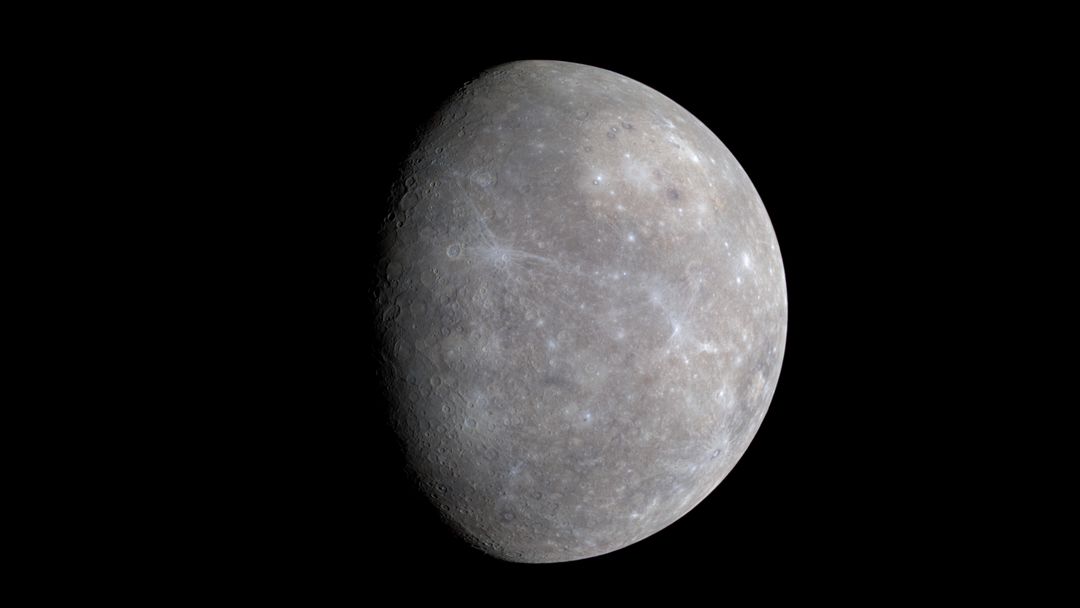
Feeling tense before Mercury retrograde even starts? You are not imagining it. Here is why the dread hits, what retrograde really is, and calm, practical ways through.
On this page
Can Mercury retrograde cause anxiety?
There is a reason so many people feel tense the week before Mercury retrograde, long before anything has gone wrong. Dread loves a date on the calendar, and this one comes with plenty of warnings attached.
Plenty of people feel their shoulders tighten at the words "Mercury goes retrograde next week," and you are far from alone in that. Retrograde has become a cultural shorthand for things going wrong, and it is hard not to absorb some of that tension.
This guide explains what retrograde really is, why it can stir up so much worry, and some simple, practical ways to stay calm and organised while it passes.
It is worth saying clearly: if you feel anxious, that feeling deserves care whatever its cause. Being told "it is just Mercury retrograde" can be as unhelpful as being told "it is all in your head." Neither takes your experience seriously.
The more helpful question is what is actually driving the anxiety, because that tells you what will help. For most people, the answer turns out to be a mix of anticipation, attention and ordinary life stress, and all three are things you can work with.
Why does it feel so real if the planet is not causing it?
Because anxiety is real whatever triggers it. Your body does not need an actual threat to react. A strong expectation of trouble is enough to tense your muscles, speed up your thoughts and disturb your sleep. The planet is not reaching you. The story about the planet is.
What is Mercury retrograde, really?
Mercury is the closest planet to the Sun, and it orbits much faster than Earth does. Three or four times a year, Mercury catches up with Earth and passes it on the inside track. As it does, it appears from our point of view to slow down, stop and drift backwards against the background stars, before turning forward again. According to the Planetary Society, each of these apparent reversals lasts about three weeks.
NASA describes retrograde motion as an apparent change in a planet's movement across the sky. Mercury never actually turns around. It is a bit like overtaking a slower car on a motorway: for a moment, the other car seems to slide backwards relative to you, even though both of you are moving forward.
Astrology gives that apparent backward motion a meaning. Mercury is the planet of communication, thinking, travel, technology and paperwork, so when it appears to move backwards, astrologers read it as a time to look back over those areas. Traditional advice includes re-reading messages before sending them, double-checking travel plans and contracts, backing up devices, and finishing old projects before starting new ones. Many astrologers point to the "re" words: review, revise, reflect, reconnect.
Notice that the traditional advice is not "be afraid." It is "slow down and check your work." Somewhere along the way, especially online, that gentle message turned into a warning that everything will break. That shift, from review to dread, is where much of the anxiety comes from.
For a broader look at how astrologers approach every planet's backward phases, the Retrograde Survival Guide covers the general picture, and Retrograde Planets in Your Birth Chart explains what astrologers make of planets that were retrograde when you were born. This page stays with one question: what to do when the idea of Mercury retrograde itself leaves you anxious.
How often does Mercury go retrograde?
Usually three times a year, sometimes four, for roughly three weeks each time. Astrologers also talk about a shadow period of a couple of weeks on either side. Add those up and retrograde season can seem to cover a large part of the year, which is one reason it is easy to blame for so much.
Why does Mercury retrograde make people so anxious?
If the planet is not doing it, why do so many people feel genuinely anxious around retrograde? A few very human things are at work.
Anticipation. Waiting for something you expect to go badly is often harder than the thing itself. Dread builds in the days before an event, peaks just before it starts, and then often drops once you are in it. Anticipatory Anxiety: Dreading a Thing That Has Not Happened explains why the waiting can hurt more than the event. Retrograde, with its exact start date and its countdowns, is almost designed to trigger this.
Warnings everywhere. Social media, apps and memes repeat the same message: do not sign anything, expect your phone to break, your ex will text. Hearing it again and again keeps your threat system switched on.
Noticing. When you expect things to go wrong, you notice every glitch: the late train, the frozen laptop, the misread message. The same glitches happen in every other week too, but nobody is looking for them. Psychologists call this confirmation bias, and everyone is prone to it.
Expecting to feel bad. Simply expecting to feel worse can make people feel worse. Researchers call this the nocebo effect, the less famous twin of the placebo effect.
A sense of losing control. The idea that a planet can disrupt your plans no matter what you do can feel helpless, and feeling helpless is one of the strongest fuels for anxiety.
None of this is a weakness or a sign that you are gullible. It is simply how minds work. We are built to pay attention to warnings and to remember the times they came true. That served our ancestors well when the warning was about a predator. It serves us less well when the warning is about a planet's apparent motion.
The kind thing to do is to notice the pattern without scolding yourself for it. "I am bracing for retrograde again" is a useful thought, because once you can see the bracing, you can choose to loosen it.
Why do bad things seem to happen more during retrograde?
Mostly because we are watching for them. Phones crash, emails go astray and plans fall through every week of the year. During retrograde, each of those gets a label and a story, so it sticks in memory. During other weeks, the same things are shrugged off and forgotten.
Is it the retrograde, or is it your life?
Before you put a hard few weeks down to Mercury, it can help to ask a few honest questions. Often the real drivers of anxiety are hiding in plain sight.
How are you sleeping? Short or broken sleep is one of the quickest ways to make worries feel bigger and patience feel thinner.
What is on your plate? Deadlines, money worries, family stress, health worries or a big change at home or work can all raise anxiety, and they do not check the planetary calendar first.
What are you consuming? More caffeine, more alcohol and more late-night scrolling can all leave you more on edge.
What time of year is it? Darker months, busy seasons and anniversaries of hard events can all shift how you feel.
Has this been building for a while? If you have felt more anxious than usual for weeks, the retrograde may simply be the moment you noticed.
The NHS lists common signs of ongoing anxiety as feeling restless or irritable, finding it hard to concentrate, getting tired easily, feeling tense, trouble sleeping, stomach problems and a noticeable heartbeat. If several of those have been with you for a while, it is worth paying attention whatever the planets are doing. Why Am I So Anxious Lately? Understanding the Hum looks at the everyday reasons anxiety can creep up.
Asking these questions is not about taking astrology away from you. If you enjoy astrology, you can keep enjoying it. It is about making sure that the real, changeable causes of your anxiety get the attention they deserve, rather than being hidden behind a planet you cannot do anything about.
There is often real relief in this. You cannot make Mercury turn forward early. You can go to bed half an hour earlier, cut back on coffee, ask for help with a deadline or talk to someone about what is worrying you.
How to calm down when retrograde dread kicks in
When you feel the dread building, these simple steps can help bring your body and mind back down.
Breathe slowly for five minutes. The NHS suggests breathing in gently through your nose and out through your mouth, letting the breath go as deep into your belly as is comfortable, and counting from one to five on each breath if that helps. Keep it up for at least five minutes.
Turn down the volume. Mute retrograde accounts, hide the countdown app or skip the forecasts for a few weeks. You can always come back to them. Less input usually means less bracing.
Write the fear, then the plan. On one side of a page, write what you are worried will go wrong. On the other, write one small thing you can do about each. Vague dread often shrinks when it becomes a short list.
Test your predictions. Write down what you expect to go wrong during this retrograde, then look at the list when it ends. Many people find most of their predictions never came true, and that memory makes the next retrograde easier.
Come back to the present. If your heart starts racing, name five things you can see, four you can hear and three you can touch. Panic Attack Grounding covers this and other steps for the first few minutes of a panic attack.
Keep your routine. Sleep, meals, movement and time with people are the quiet foundations that keep anxiety from growing.
Some people like to add a small ritual: lighting a candle, holding a smooth stone, or saying a few words of intention at the start of a retrograde. If that brings you comfort, it is a lovely thing to do. Think of it as a way of telling yourself "I am ready and I am looking after myself," not as protection against a planet. If you like a calming stone in your hand, Best Crystals for Anxiety covers the ones people reach for most, as an optional comfort alongside proper care.
Is it okay to just ignore Mercury retrograde?
Completely. If following retrograde makes you anxious, you are allowed to stop. Plenty of people who love astrology skip the parts that do not serve them. Your peace of mind matters more than keeping up with every transit.
Practical planning for a calmer retrograde
One of the best ways to ease dread is to turn it into a plan. The traditional retrograde advice is really just good everyday habits, and doing them can give you a calm sense of being prepared.
Back up your devices. Save photos, files and contacts to the cloud or a drive. It takes ten minutes and protects you every week of the year.
Re-read before you send. Give important messages and emails a second look, especially if the topic is sensitive. Check names, dates and attachments.
Leave a buffer for travel. Allow extra time for journeys, confirm bookings and keep digital and paper copies of tickets.
Read the details. If you are signing a contract or making a big purchase, read the small print and ask questions. You do not need to delay, just slow down enough to be sure.
Finish before you start. Retrograde is traditionally a good time to wrap up old projects, clear your inbox, return calls and tidy loose ends, rather than launch lots of new things at once.
Do not put your life on hold. Jobs, moves, relationships and decisions do not have to wait three weeks. Waiting out of fear tends to grow the fear, because it teaches your mind that the danger was real.
Notice how ordinary this list is. None of it requires believing that Mercury affects your phone. All of it reduces the chance that small mistakes turn into big stress. That is the gentlest way to hold retrograde: as a reminder, a few times a year, to do the boring, protective things we all mean to do anyway.
If something does go wrong, as things sometimes do, try to treat it as a normal hiccup rather than proof that the retrograde has you. A missed train is a missed train. You can sort it out, the same as any other week.
Using Mercury retrograde as a gentle review window
If you enjoy astrology, retrograde can become something to look forward to rather than dread. Its theme of looking back fits naturally with reflection, and a few weeks set aside for review can feel steadying.
Here are some prompts to try, one per week of the retrograde:
Week one: review. What has gone well since the last retrograde? What am I proud of, even quietly?
Week two: revise. What is not working in my routine, my work or my habits? What is one small change I could make?
Week three: reconnect. Who have I been meaning to call or message? Who makes me feel calmer, and when did I last see them?
Reconnecting is especially helpful for anxiety. Spending time with people you trust is one of the most protective things you can do for your mental health, and retrograde gives you a light excuse to send that "thinking of you" message.
Some people also use this time for deeper inner work, such as noticing the parts of themselves they tend to hide. The Shadow Self is a gentle introduction to that idea, if you are curious.
The key is to choose a review that leaves you feeling clearer, not more anxious. If looking back stirs up regret or worry, keep it light: a few lines in a notebook, then close it. Reflection is meant to support you, not to become one more thing to get right.
And if reflection turns up something heavy, such as a loss you have not grieved, a pattern you cannot shake or a worry that will not leave you alone, that is a sign to share it with someone, whether a friend, a GP or a counsellor.
When should you talk to a doctor?
Retrograde dread usually passes when the retrograde does. If your anxiety does not, or if it is getting in the way of your life, please get proper support. Booking that appointment is a strong, sensible step. See a GP or doctor if any of these sound like you.
You have felt anxious most days for several weeks, or the worry is hard to control and affects your daily life.
You are having panic attacks, or are living in fear of the next one.
You have chest pain, breathlessness, a racing or irregular heartbeat, or feel faint. These need a medical check first, before they are put down to anxiety, let alone a planet. If chest pain or breathlessness is sudden or severe, call your local emergency number.
You are not sleeping, or poor sleep has gone on for weeks.
You are avoiding work, people or places, or putting important things on hold because of fear.
You are using alcohol, drugs or anything else to cope.
In England, adults can refer themselves to NHS Talking Therapies without seeing a GP first. Elsewhere, your doctor can point you to local support.
If you are having thoughts of ending your life or hurting yourself, please reach out now. In the US, call or text 988. In the UK and Ireland, call Samaritans free on 116 123, any time. Elsewhere, find a local line at befrienders.org. If you are in immediate danger, call your local emergency number.
Mercury will turn forward again in a few weeks, as it always does. Your wellbeing does not need to wait for it. Anxiety is very treatable, and you deserve support whatever the sky is doing.
Questions people ask
Can Mercury retrograde cause anxiety?
No. Mercury retrograde is an apparent backward motion seen from Earth, and the planet itself does not cause anxiety or change your mood. What can make people anxious is the anticipation: warnings, countdowns and the expectation that things will go wrong. That dread is real, and the good news is that it responds to the same calming steps as any other worry.
What is Mercury retrograde in simple terms?
Mercury orbits the Sun faster than Earth does. Three or four times a year, as it passes us, it looks from Earth as though it slows, stops and moves backwards against the stars for about three weeks. It is an optical effect of our viewpoint. Mercury never actually reverses its orbit.
Why do I feel so stressed during Mercury retrograde?
Often because you expect to. Hearing that things will break or go wrong puts you on alert, and on alert you notice every glitch, late reply and awkward message, while ordinary weeks with the same glitches pass unnoticed. Life stress, sleep and workload matter far more than the planet, so it is worth checking those too.
Should I avoid making decisions during Mercury retrograde?
You do not need to put your life on hold. Astrologers traditionally suggest reviewing and double-checking during a retrograde, and that is good advice at any time. If a decision is ready and you have read the details carefully, it is fine to make it. Delaying important things out of fear tends to feed anxiety rather than ease it.
How do I calm down during Mercury retrograde?
Step back from retrograde warnings and countdowns, do a few minutes of slow breathing, and write down what you are worried will go wrong next to what you can do about it. Simple planning, like backing up files and leaving extra time for travel, can turn vague dread into a short checklist. If anxiety is affecting your daily life, talk to a GP.
Is Mercury retrograde bad for mental health?
There is no evidence that it is. Some people find its review theme helpful, a regular prompt to slow down, tidy loose ends and reflect. Others find the warnings stressful. If it makes you anxious, it is perfectly fine to ignore it. If your mental health feels shaky whatever the planets are doing, please reach out for support.
What does today hold for you?
Pop in your birthday. Your reading shows up right here. No email, no account.
Related topics: mercury retrograde anxiety, can mercury retrograde cause anxiety, mercury retrograde mental health, how to cope with mercury retrograde, mercury retrograde stress, mercury retrograde fear, what is mercury retrograde, mercury retrograde self care